
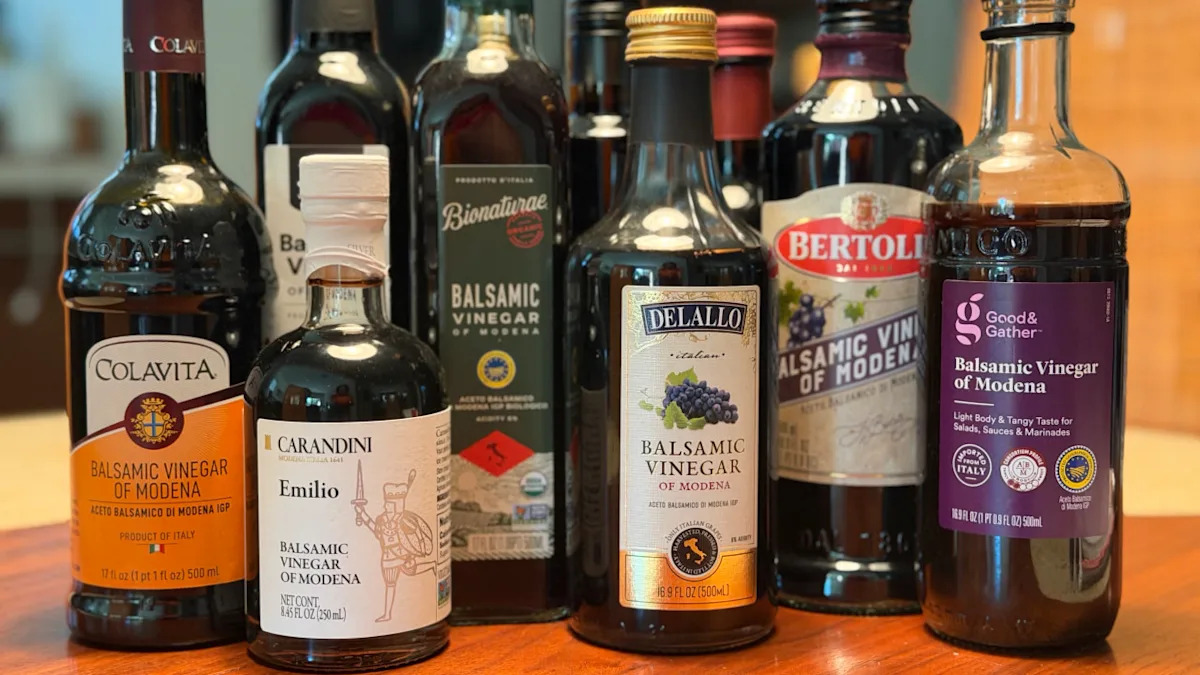
Traveling through Italy this past October, I was reminded that balsamic vinegar is among the country’s greatest gifts to the world. Surrounded by vineyards during harvest season, I rediscovered the care, patience and tradition that go into every drop. It’s more than a condiment; it’s a reflection of time, place and craftsmanship, distilled into something extraordinary.
In Italy, balsamic isn’t a luxury; it’s a way of life. It graces every table, from humble trattorias to elegant dining rooms, drizzled, spooned or simply admired. The finest bottles may age for decades, yet the essence of balsamic is universal: a few drops can awaken roasted vegetables, make strawberries sing or coax new life from a wedge of Parmigiano Reggiano.
While Italy reminded me of balsamic’s highest expression, it also reinforced something I’ve learned through various tastings with the Italian Trade Agency: true craftsmanship shows up at every level. This story is about the everyday bottles, the ones within reach for all of us. The supermarket staples, the weeknight workhorses, the bottles we drizzle over salad greens or whisk into a quick vinaigrette. Some are surprisingly lovely. Others, well, not so much. Because let’s be honest: most of us aren’t reaching for a 25-year-old DOP balsamic on a Tuesday night. We’re grabbing whatever bottle we find at the grocery store, and that’s exactly why I’m writing this.
Before diving into the tasting and ranking with my team of testers, I turned to an expert for a little guidance. His insights will help you shop smarter, taste better and bring a touch of Italy’s spirit into your own kitchen, no passport required. Once you know how to buy balsamic, read through the detailed ranking to find the best balsamic vinegar you can pick up at the supermarket.
Related: We Ranked 12 Olive Oil Brands and You Can Buy the Winner at Whole Foods
Understanding the Differences Between Balsamic Vinegar Styles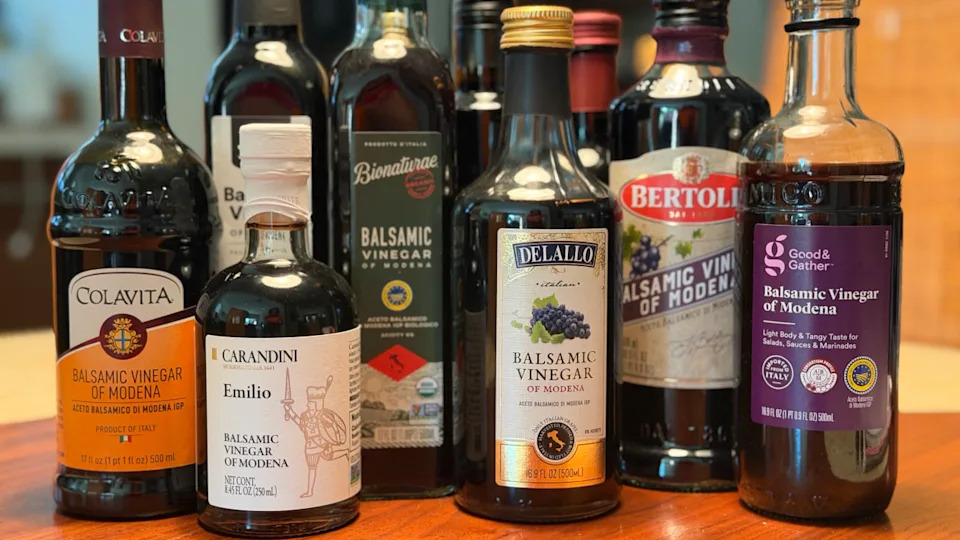
When it comes to balsamic vinegar, not all bottles are created equal. Understanding the different styles and how they’re meant to be used is key to choosing the right one. According to Federico Desimoni, Director of Le Terre del Balsamico, the consortium representing both Balsamic Vinegar of Modena and Traditional Balsamic Vinegar of Modena, authenticity and intended use are the first things to consider when selecting a bottle.
Italy officially recognizes two kinds of balsamic vinegar from Modena: Traditional Balsamic Vinegar of Modena DOP and Balsamic Vinegar of Modena PGI. Though they share a name and heritage, they follow very different production rules and they offer different expressions of that heritage; one artisanal and rare, the other versatile and more accessible.
Traditional Balsamic Vinegar of Modena DOP
According to Desimoni, Traditional Balsamic Vinegar of Modena DOP is made solely from cooked grape must, no added vinegar and aged for a minimum of 12 years in a series of wooden barrels known as a batteria. These barrels, often crafted from oak, cherry, chestnut, juniper or mulberry, develop the vinegar’s deeply complex aroma and flavor through natural concentration and slow oxidation.
After 25 years, the vinegar earns the designation Extravecchio. Every DOP balsamic bears the red-and-yellow seal and is presented in a distinctively shaped 100 ml bottle, reserved exclusively for this prized vinegar. Production is strictly limited, and just a few drops can transform a dish from good to great.
Balsamic Vinegar of Modena PGI
By contrast, Desimoni explains, Balsamic Vinegar of Modena PGI, the type of balsamic I focused on for this taste test, is made from a blend of grape must (cooked or concentrated) and wine vinegar. It may be aged briefly or for several years in wooden casks to enhance flavor and texture. Every bottle bears the blue-and-yellow PGI seal and the phrase Aceto Balsamico di Modena. Some are labeled Invecchiato (aged at least three years) or Riserva (aged five years or more), signaling longer aging and richer character.
Desimoni notes that the range of aging in PGI balsamic, whether less than three years, between three and five, or more than five, is what makes it a global kitchen staple. Its versatility allows it to adapt across cuisines while staying true to Modena’s rich tradition.
Related: We Tried 12 Different Dijon Mustards and The Winner Won by a Landslide
 4 Things To Look for When Shopping for Balsamic Vinegar
To ensure you’re buying the real thing, look for these details on the label:
1. PGI seal
Check for the blue-and-yellow PGI seal (Protected Geographical Indication, the official EU logo). This is the only mark that guarantees the vinegar was produced and bottled in compliance with EU Regulation (EC) No 583/2009. A “Product of Italy” statement alone is not sufficient. The presence of the PGI seal is what certifies authenticity.
2. Four specific words
The label must state “Aceto Balsamico di Modena” exactly—terms like “Balsamic Vinegar of Modena-style” or “Modena glaze” do not indicate authentic PGI status.
3. Ingredients
Ingredients should list only grape must (cooked or concentrated) and wine vinegar. The addition of caramel is permitted under EU law to standardize color, though not all producers use it. Added sugars, thickeners or artificial flavorings are not allowed in authentic PGI balsamic and are common signs of imitation products.
4. Name and location
The producer’s name and bottling location should appear clearly on the label.
Related: I Tried 12 Beef Broth Brands To Find the One You Should Stock in Your Pantry
How I Tested These Balsamic Vinegars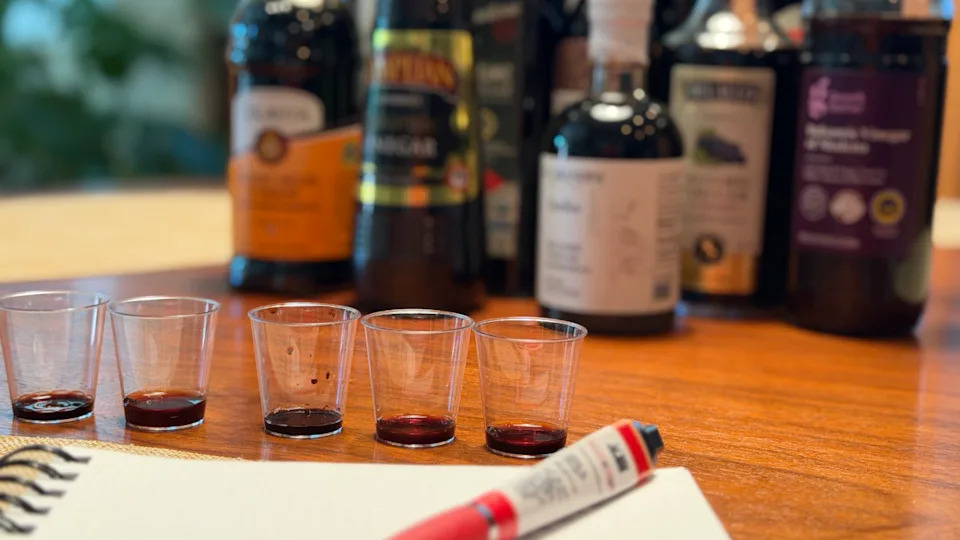
I rounded up 13 bottles of PGI balsamic vinegar from grocery stores and online retailers, spanning everything from affordable everyday options to pricier selections, to find out how they truly stack up.
My tasting team and I approached it like a kitchen experiment: labels were stripped away to keep things honest and we tried each balsamic straight, whisked into a dressing and soaked up with bread to gauge sweetness, acidity, usability and texture.
We took notes, debated textures and aromas, and passionately defended our favorites. In the end, the bottles that stood out the most proved one simple truth: great balsamic doesn’t have to be expensive, it just needs to strike the right harmony of richness, tang and depth.
Related: We Baked Cookies With 10 Different All-Purpose Flours and the Winner Won By a Landslide
13 Balsamic Vinegars, Ranked From Worst to Best13. Napoleon Balsamic Vinegar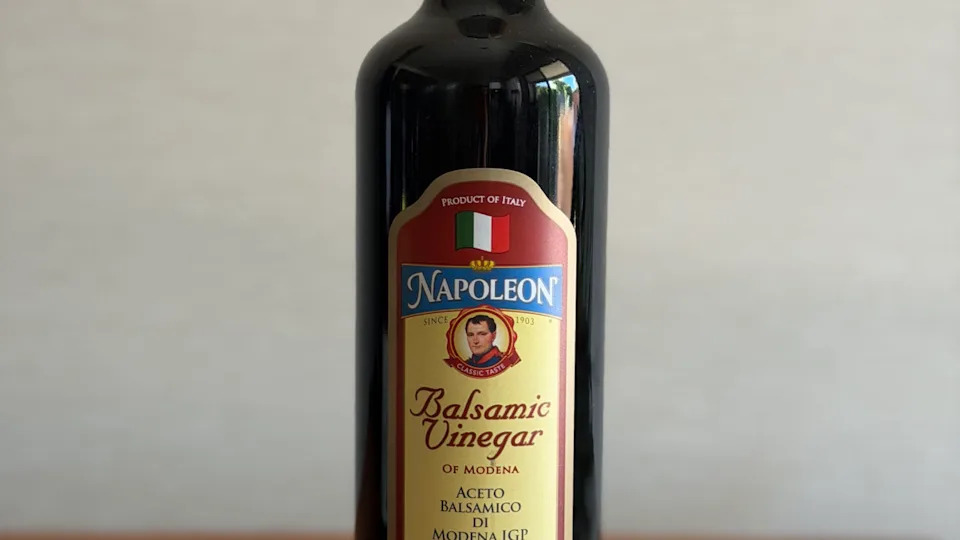
We were all surprised that this IGP, Made in Italy balsamic, didn’t live up to expectations. Napoleon was quite bitter and not very pleasant when tasted on its own. It was unsuitable as a dip for bread and only passably worked into a vinaigrette, where it overpowered the other flavors rather than complementing them. Overall, it’s perfectly serviceable for cooking, but it lacks the depth and balance that make a balsamic memorable. This one was a hard pass for the entire team.
12. Roland Balsamic Vinegar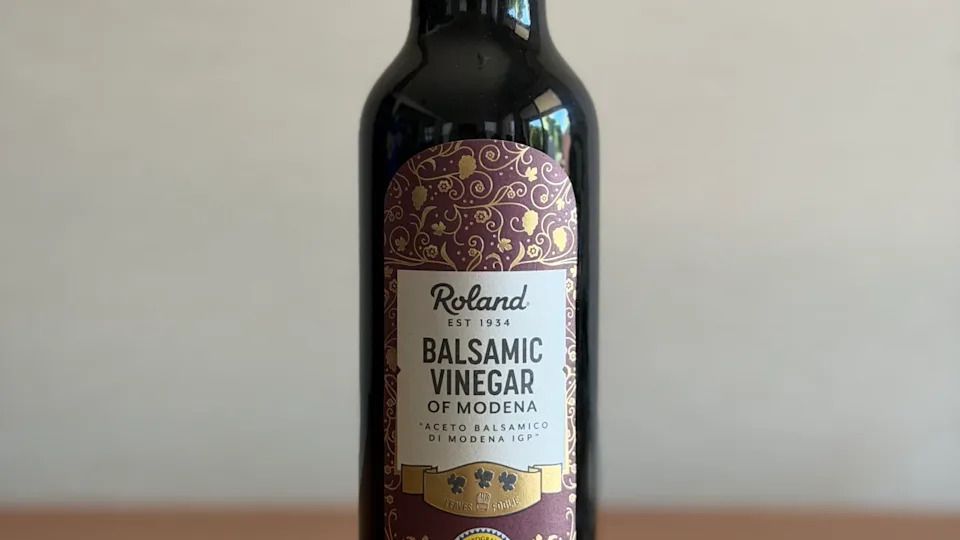
The team agreed that Roland’s balsamic, found at Walmart, falls squarely into the reliable workhorse category: unpretentious, steady and ready for everyday use. The aroma suggests dried fruit and a trace of oak, leading to a moderately sweet, well-balanced flavor. While it didn’t score highly in the ranking, it shines where it counts: blending seamlessly into vinaigrette, pan sauces and reductions. Roland balsamic delivered a consistent, no-frills performance.
11. 365 Balsamic Vinegar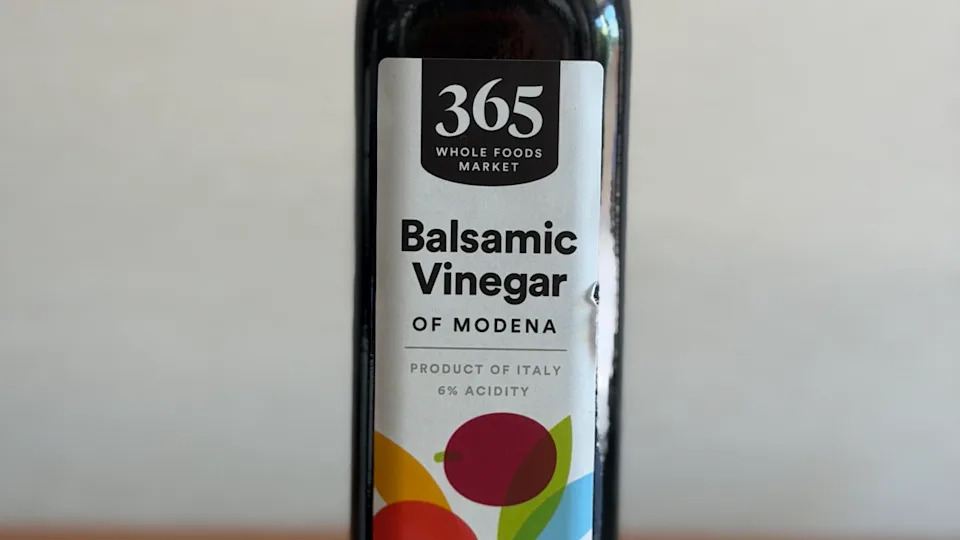
The Whole Foods’ 365 balsamic hit a sweet spot for value and versatility at $4.99 for 16 ounces. Its bright acidity and clean finish make it endlessly adaptable in the kitchen, though it lacked the depth to stand out on its own in a tasting. Perfect for weeknight cooks, it’s the kind of bottle you keep by the stove to add a quick lift to caramelized onions, roasted vegetables or simple pan sauces. Approachable, consistent and dependable, it delivers solid everyday performance without fanfare.
Related: I Went to Whole Foods With My Chef-Husband and My Grocery Shopping is Forever Changed
10. Ponti Spray Balsamic Vinegar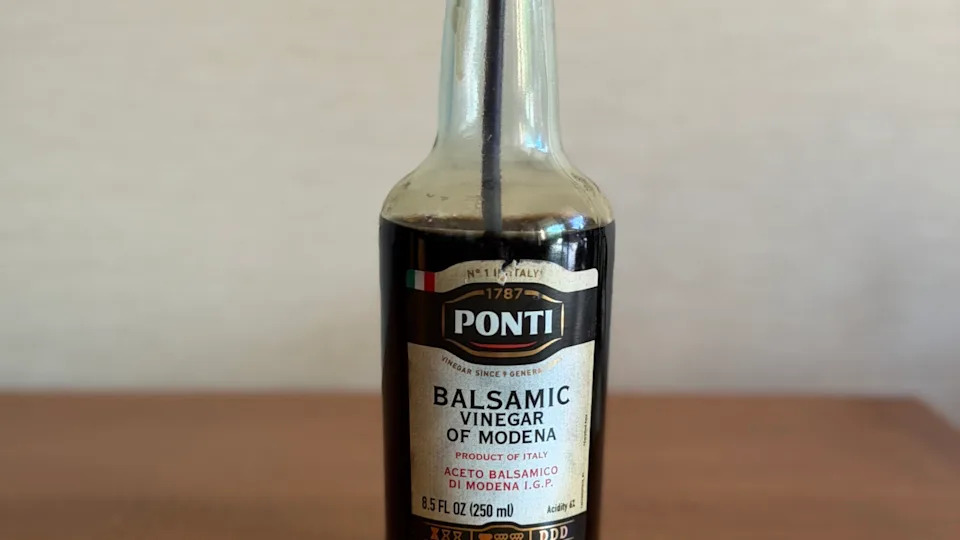
Ponti’s balsamic spray made an impression as a practical kitchen companion. The team agreed it’s a convenient option for controlling the amount of vinegar on salads or finished dishes, while being consistently flavorful. Priced around $12 for 8 ounces, it’s a bit more expensive than some of the other brands, but the blend of grapes delivers an intense aroma and well-balanced taste. Also, unlike other options, it contains caramel color, which some tasters found slightly off-putting, yet its ease of use and reliability make it a standout for those aiming to add a bold taste in moderation.
Related: I Tried 13 Different Apple Cider Vinegars and Found a New Favorite Brand
9. Great Value Balsamic Vinegar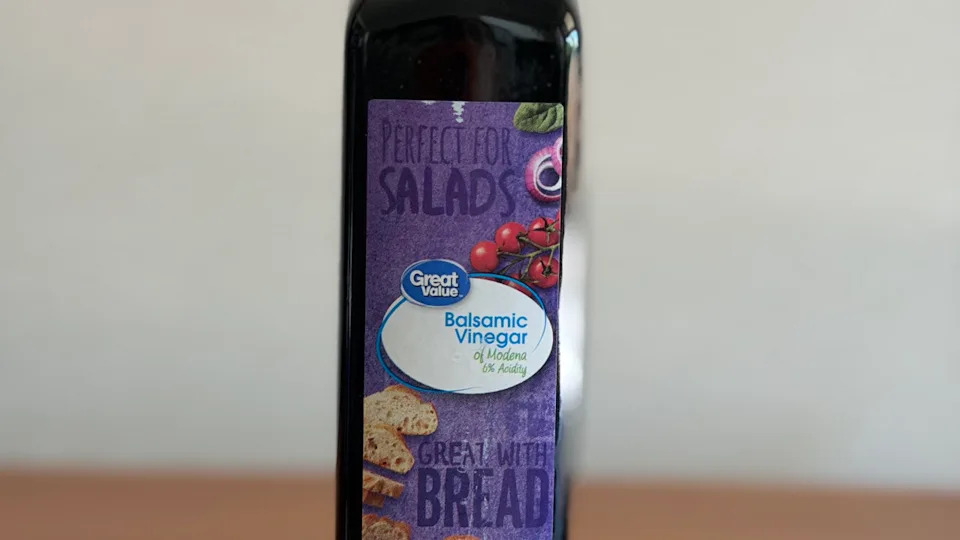
Walmart’s Great Value balsamic is a quiet overachiever. For $4, it pours thin but delivers a familiar, light and tart flavor that’s functional and versatile. It doesn’t chase luxury—instead, it plays cleanly in dressings or glazes. One tester quipped, “Like a white shirt, it is simple and works with everything.” A bit one-dimensional, yes, but surprisingly dependable and a great option for everyday use.
8. Bionaturae Balsamic Vinegar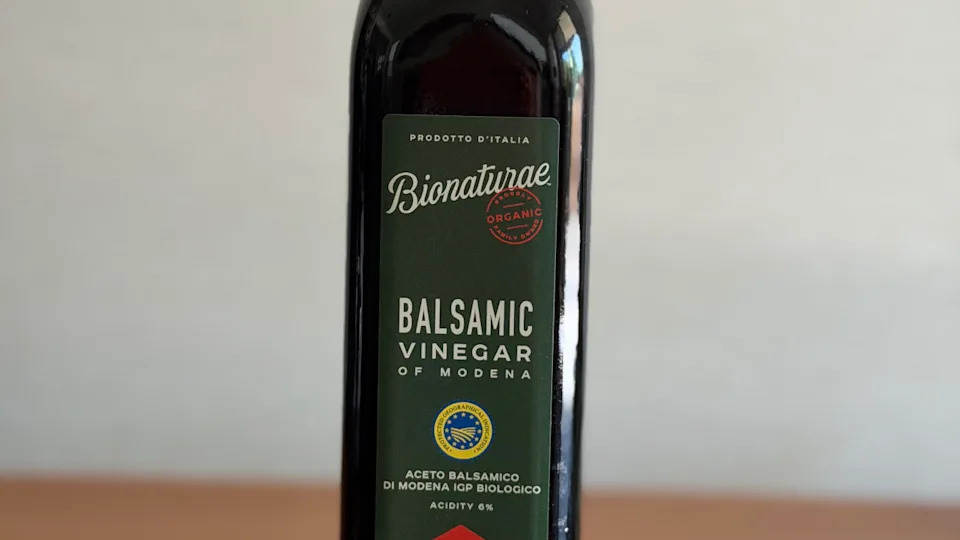
Bionaturae earned points with the team for its organic credibility. It stood out as a dependable balsamic that is softly sweet, gentle and well-rounded. While its subtlety is a strength in lightly dressed dishes, we agreed it may lack the boldness needed to come through when paired with peppery greens or in more assertive dishes. Clean and bright, it delivers reliability and lightness, but doesn’t deliver the depth and complexity that elevate other more top-tier options.
Related: The Italian Way To Make Mac & Cheese 10x Better, According To Legendary Chef Lidia Bastianich
7. Trader Joe’s Balsamic Vinegar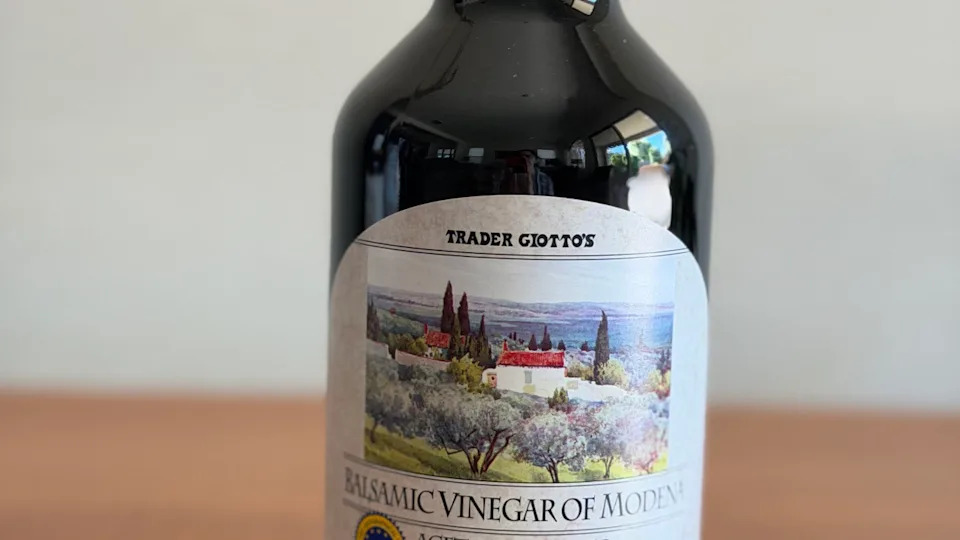
Trader Joe’s balsamic distinguished itself by being a lot sweeter than the others we tried, offering gentle richness with less tang than you might expect from a vinegar. Priced at $5.99 for 8 ounces (organic version), the team agreed it’s an approachable, finishing vinegar with a slightly indulgent touch. One panelist summed it up perfectly, saying it “hits a sweet spot you wouldn’t expect from a salad balsamic.”
6. Good and Gather Balsamic Vinegar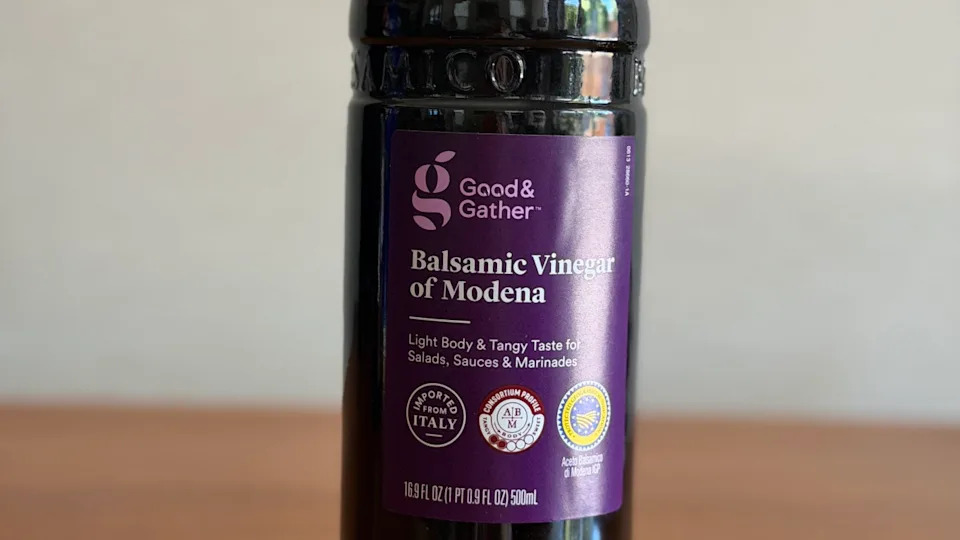
Sweet, almost indulgently so, the Target balsamic leans more toward dessert than a sharp, traditional vinegar. The team agreed it’s smooth and rounded on the palate, with just enough tang to prevent it from tipping into cloying. One taster noted that its sweetness makes it less ideal for most uses. While purists may find it too sweet, its real charm lies in its pleasant, rounded finish. Great drizzled over a Caprese salad, fruit or for anyone who enjoys a sweeter style of balsamic.
Related: How To Make the Best-Ever Antipasto Platter, According To Legendary Chef Lidia Bastianich
5. Lucini Balsamic Vinegar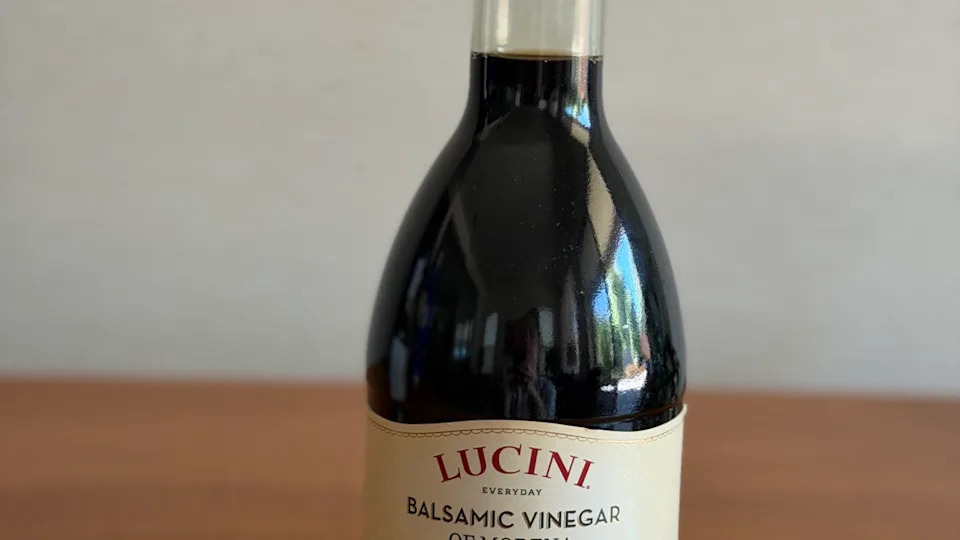
Lucini’s balsamic is the kind that makes you pause and savor the moment. The aroma is musty and complex, with ripe grape notes that recall the quiet charm of a Modena cellar. On the palate, it’s lush and full-bodied, a harmonious interplay of tang and gentle sweetness that feels refined without being fussy.
At $6 for 500 ml, it’s a mid-range masterpiece. The team bragged about it being artisanal in character yet approachable in price. Perfect for finishing a salad, drizzling over roasted vegetables or even gifting to the vinegar enthusiast in your life, Lucini embodies the elegance and tradition of classic Italian balsamic. Limited availability is what held this back in the ranking.
4. Bertolli Balsamic Vinegar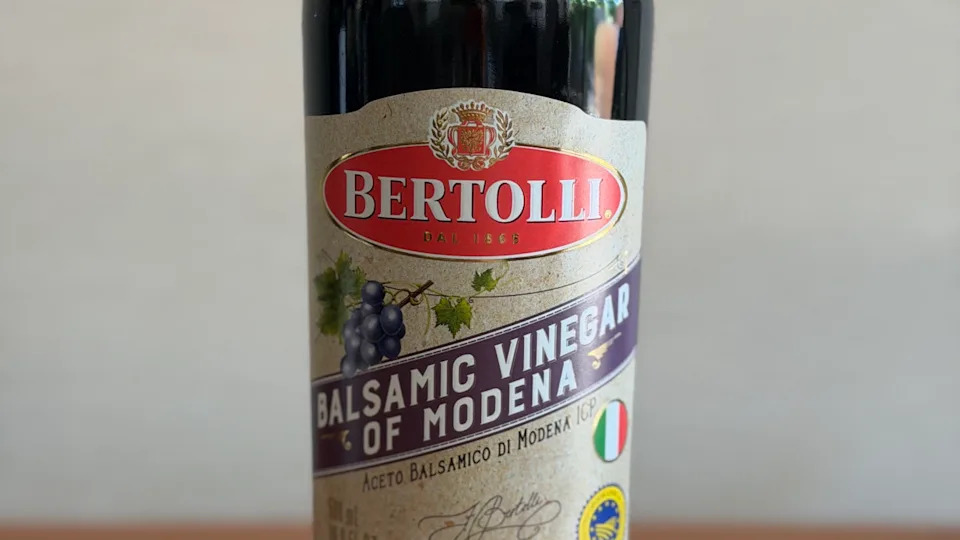
At just $5 for a generous 32 ounces, Bertolli’s balsamic proves that budget-friendly doesn’t mean bland. Its deep, glossy hue immediately signals substance, and the flavor is robust, with more muscle than melody. The acidity is assertive, with a sharp, bright edge that wakes up any salad or marinade. It’s not a delicate, nuanced vinegar meant for sipping straight; rather, it shines for being bold, honest and hearty. The Bertolli balsamic delivers exceptional value for a fantastic product.
3. Carandini Balsamic Vinegar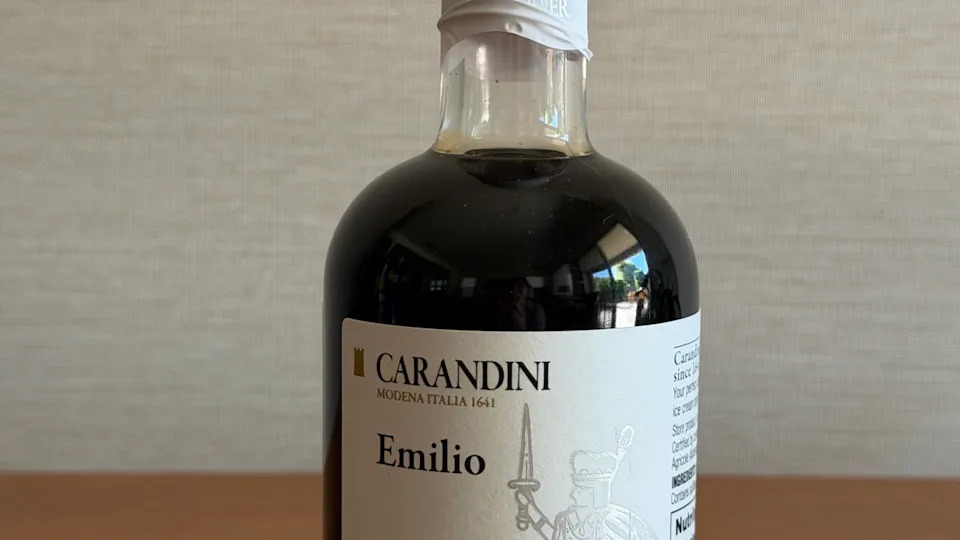
Available on Amazon for around $20 a bottle, Carandini’s balsamic impressed the team with its warmth and depth. The aroma was rich and layered, and the first sip revealed notes of toasted wood, Marsala winenand a gentle nuttiness that lingered gracefully. One taster described it as “the most elegant of the bunch.”
Though its smooth finish made it a clear favorite, the higher price kept it from climbing to the very top of our ranking. Still, for those special dishes, or a quiet drizzle over aged Parmigiano, it’s worth every penny.
2. Delallo Balsamic Vinegar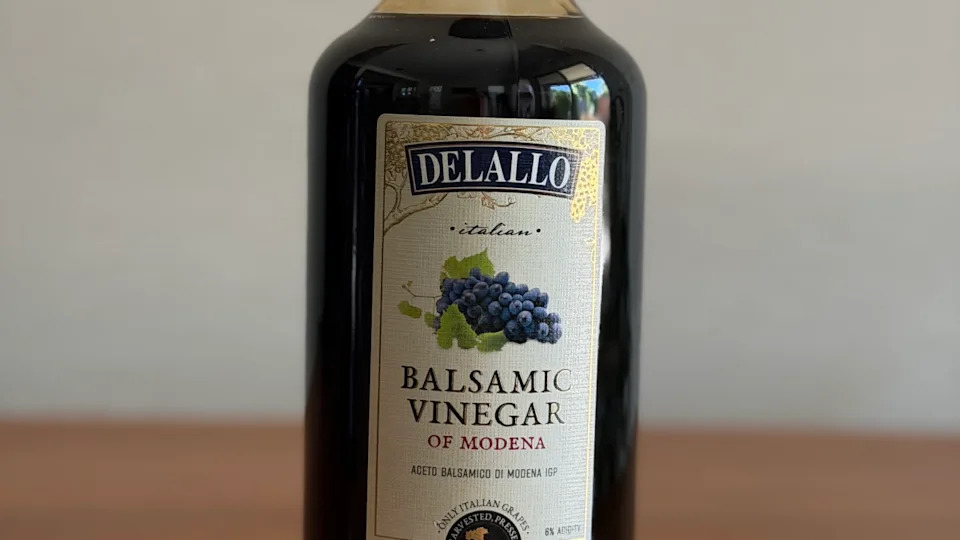
At around $8 for 16 ounces, Delallo’s balsamic vinegar makes an elegant first impression, opening with dark, luxurious aromas of caramel and oak. It pours in a smooth, velvety ribbon, signaling the richness to come. The flavor unfolds gracefully, silky and rounded, with a measured sweetness balanced by lively acidity. Elegant and composed, it was a clear favorite among the team, missing the top spot only because of its slightly higher price.
1. Colavita Balsamic Vinegar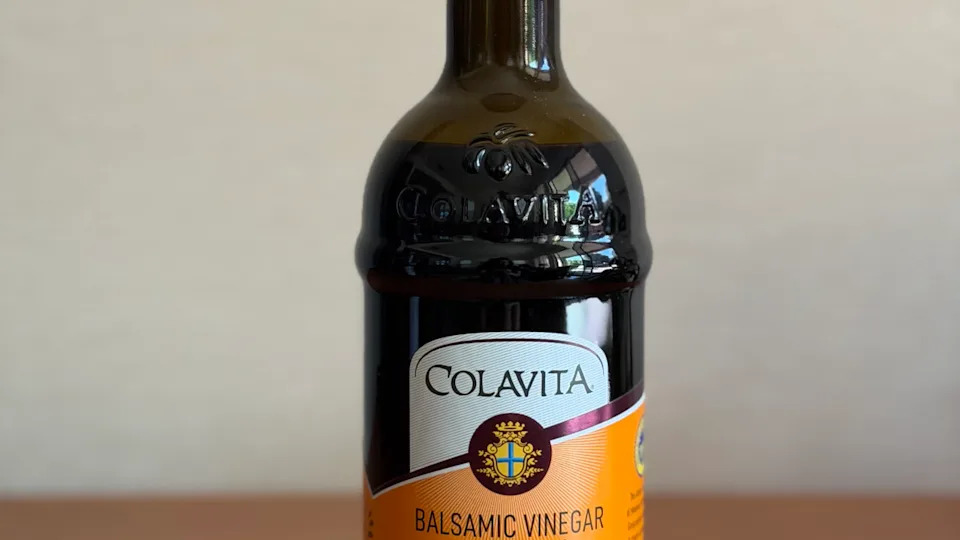
Colavita impressed us well beyond its modest $4.22 price tag at Walmart. It poured gracefully, with a slow, glossy ribbon that coated the spoon just so. On the palate, it was smooth and rounded, offering a gentle sweetness lifted by a well-judged acidity. The team unanimously agreed it tasted like a bottle twice its price. Unassuming yet effortlessly stylish, this is the balsamic equivalent of a timeless classic—polished, balanced and an easy favorite among the group.
Up Next:
Related: I Tried Giada’s Easy Tiramisu and It’s an ‘Undeniably Good’ Make-Ahead Dessert
Source:
Federico Desimoni, Director of Le Terre del Balsamico, the consortium representing both Balsamic Vinegar of Modena and Traditional Balsamic Vinegar of Modena
This story was originally published by Parade on Dec 28, 2025, where it first appeared in the Food & Drink section. Add Parade as a Preferred Source by clicking here.
Dining and Cooking