
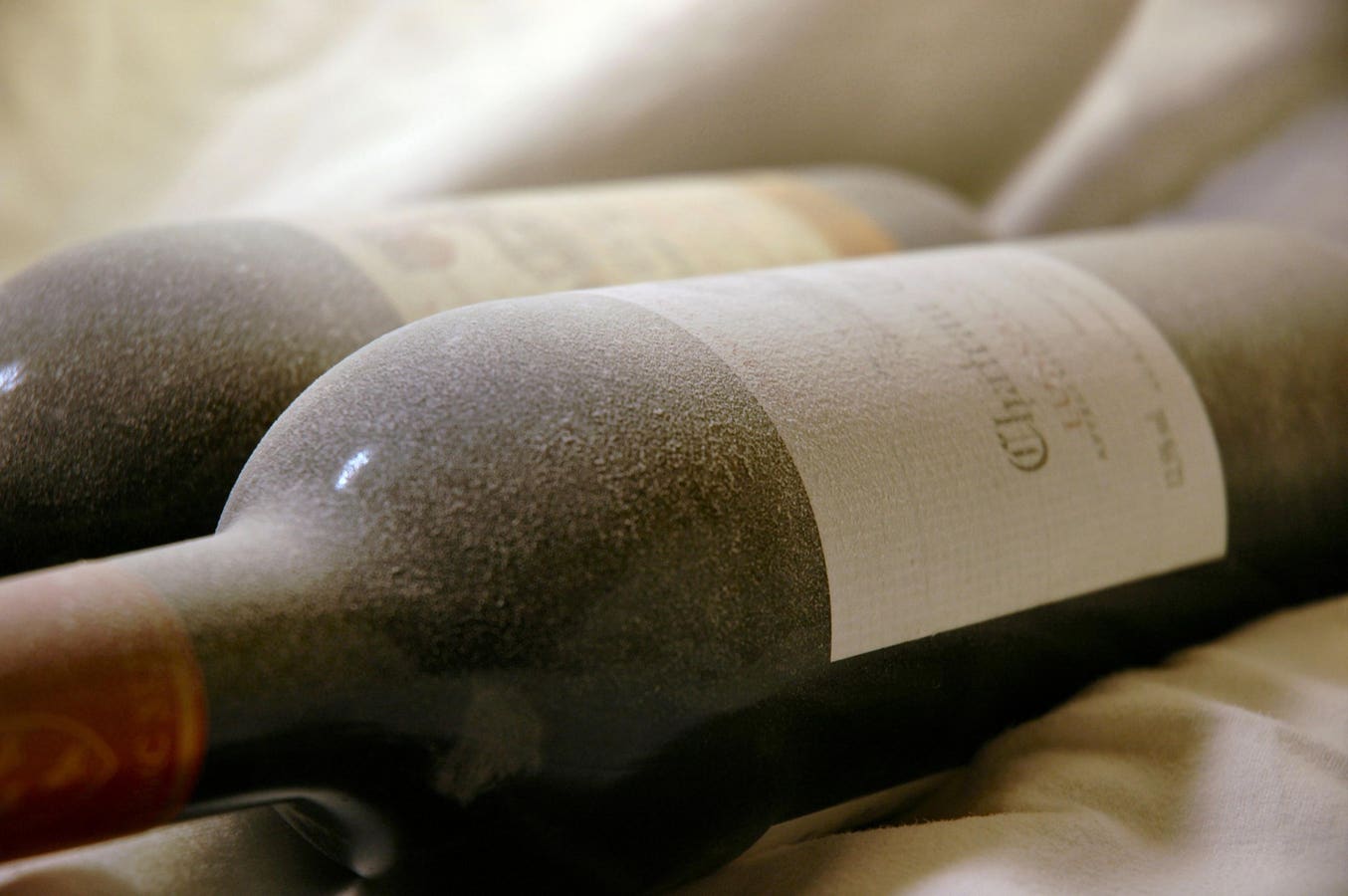
Close-up of two dusty wine bottles covered that look as if they have been sitting in a cellar for many years.
getty
If you’ve ever opened a bottle you were saving for a special occasion only to find it tasted flat, muted, or oddly “cooked,” you probably blamed the wine.
The vintage. The producer. Your palate.
But according to wine storage expert Robb Denomme, the problem often isn’t what’s inside the bottle. It’s where the bottle has been sitting.
ForbesThese Volcanic Vineyards In Spain Might Be The Most Unusual In The WorldBy Emily Price
“Wine is a living thing that continues evolving in the bottle,” says Denomme, founder and CEO of Genuwine Cellars via email. “Temperature, light, and vibration all affect how it ages. Store it incorrectly, and you’re essentially cooking or shaking the life out of it.”
In other words, wine rarely goes bad on its own. It gets mistreated.
Here’s what improper storage actually does to wine — and the everyday places in your home where that damage is quietly happening.
What Heat Does to Wine
a lot of wine bottles put in crates for classified to display in a wine retail shop
getty
Heat is the fastest way to prematurely age a bottle.
Wine is happiest aging slowly at around 55°F. When it sits somewhere warmer, the aging process speeds up unnaturally. Aromas flatten. Fruit flavors taste stewed instead of fresh. Structure collapses. What should taste vibrant and layered can end up tasting tired and dull.
“The top of the refrigerator checks every box for bad wine storage,” he explains. “You’ve got heat rising from the compressor, temperature swings every time the fridge cycles on and off, exposure to kitchen lighting, and constant vibration from the motor. It sets the ideal conditions for ruining wine.”
Garages create similar problems for a different reason.
“Garages get too hot in summer and too cold in winter,” says Denomme. “Dramatic temperature swings cause the wine to expand and contract, which can push the cork out or let air seep in.”
Those expansions and contractions allow tiny amounts of oxygen into the bottle, which leads to oxidation and prematurely aged flavors.
Delicate wines suffer the most here. Pinot Noir, Gamay, and aged Nebbiolo can lose their aromatic lift quickly when exposed to prolonged warmth.
What Light Does to Wine
Selective focus of wine rack on wall in brick material full, to store red wine bottle in a row in cellar, cool and in good conditions.Some of those are old wine bottle with dust.
getty
Light damage is less obvious, but just as destructive.
UV rays can penetrate glass bottles and trigger chemical reactions that degrade the wine’s compounds. This is known as light strike, and it can create unpleasant aromas and muted flavors.
“Even indirect sunlight through a window can raise the temperature enough to damage wine over time,” Denomme notes.
A bottle displayed on a sunny kitchen counter or windowsill may look picturesque, but over weeks or months, that light exposure can alter how the wine smells and tastes. Sparkling wines and delicate whites are especially vulnerable because of their lighter structure and often clearer glass.
What Vibration Does to Wine
Wine is meant to rest undisturbed while it ages.
“Vibration keeps sediment in suspension and can disrupt the chemical processes that allow wine to develop complexity,” Denomme explains. “This is especially problematic for wines meant to age for years.”
That means the shelf next to your speakers, subwoofer, or home theater system is not as harmless as it seems. Even the constant hum of a refrigerator motor can create enough vibration over time to interfere with how a wine matures in the bottle.
Aged Bordeaux, Barolo, and Rioja — wines that rely on long, quiet development — are particularly sensitive.
What Temperature Swings and Dry Corks Do to Wine
Close up shot of person hand as they swirl a glass of red wine, demonstrating the technique used to aerate the wine and release its aromas and exploring the depth of the wines flavor profile on blurred wine cellar background.
getty
Beyond heat alone, inconsistency is a major threat.
Wine does not respond well to being 60°F one day and 75°F the next. Repeated swings cause the liquid to expand and contract, stressing the cork and weakening its seal.
“Here are my essential tips: Always store corked bottles on their side to keep the cork moist and prevent it from drying out and letting air in. Maintain consistent temperatures and avoid spots where it might be 60°F one day and 75°F the next. Limit light exposure, especially direct sunlight and fluorescent lighting, which can both degrade wine. Finally, try to keep humidity around 50-70% to prevent corks from drying out or labels from getting moldy. These four simple steps will preserve both the quality and value of your collection.”
When corks dry out, oxygen seeps in slowly, and the wine oxidizes long before you ever open it.
Where Wine Actually Thrives
many bottles of wine in row perspective in a cellar
getty
Once you understand what damages wine, the ideal storage locations become obvious: places that are cool, dark, and stable.
“A proper wine cellar maintains consistent temperature, humidity, and darkness. These make up the trifecta of ideal wine storage,” says Denomme.
For most people, a wine fridge is the most practical solution.
“A quality wine fridge is one of the smartest investments you can make if you care about wine,” Denomme advises. “It gives you cellar-like conditions without the construction.”
If neither of those is an option, an interior cupboard on a lower floor — away from exterior walls and appliances — can work surprisingly well for short- to medium-term storage.
“The key is finding a spot with stable temperatures and no light exposure,” says Denomme.
Another overlooked option is the space under interior stairs.
“Under-stair storage tends to stay consistently cool because it’s interior space, usually on a lower level, and away from windows,” Denomme notes.
At its core, proper wine storage is less about having a fancy cellar and more about avoiding the everyday places that slowly sabotage your bottles. The difference between a wine that tastes vibrant and expressive and one that tastes flat and lifeless may have nothing to do with the producer — and everything to do with where you left it waiting.
Dining and Cooking