
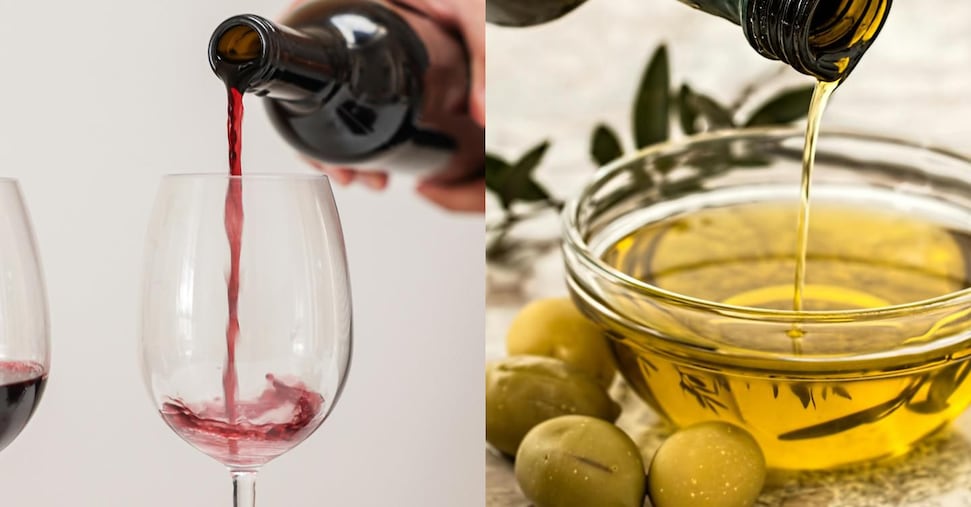
After nearly two decades of intermittent negotiations, the European Union and India are set to announce the political conclusion of a free trade agreement. The deal will be “very beneficial for European agricultural exporters”, sources told Ansa, with reduction of tariffs on products such as wine and olive oil and maintenance of the status quo on the most sensitive sectors for New Delhi, including beef, poultry and sugar. The announcement is expected at the EU-India summit scheduled in New Delhi between 25 and 28 January.
A long and strategic negotiation
Talks on a free trade agreement between Brussels and New Delhi were first launched in 2007, then stalled in 2013 and formally restarted in July 2022. Since then, negotiators have been working on a broad package covering trade in goods and services, investment and regulatory cooperation. In the weeks leading up to the summit, several European and Indian sources have indicated thatmost negotiating chapters have been closed or brought to a sufficient level to allow for a political declaration of conclusion of the agreement. However, it remains clear that the announcement does not equate to the immediate entry into force of the agreement, which will have to go through a complex ratification process, especially on the European side.
Wine and olive oil at the heart of the agreement
Of particular interest to European agribusiness is the planned cut in Indian tariffs on wine and olive oil. At present, India applies very high tariffs on many imported food products, which in the case of wine reach levels that severely limit its competitiveness on the local market. For European producers, therefore, starting with those from Italy, France and Spain, the prospect of a ‘sensible’ reduction in tariffs is a turning point: in the Indian market they see a medium-long term growth opportunity, especially in the medium-high quality segments.
For olive oil, which is still a niche product in Indian consumption but is gradually expanding, an easing of tariff barriers could encourage greater spread, although the final price will continue to be influenced by internal taxes and the structure of local distribution. In both cases, Brussels emphasises that the real benefit will depend not only on the agreed tariff rates, but also on the reduction of non-tariff barriers and the simplification of customs procedures.
Indian Red Lines
Net of the openings on European agribusiness, the agreement maintains certain limits on certain sectors considered politically and socially sensitive in India. According to diplomatic sources, beef, poultry and sugar will remain excluded from significant liberalisation, confirming a cautious line that had already emerged in earlier stages of the negotiations. What caused most concern, even in some EU member states, was the topic of sugar, so much so that the European Commission is reportedly considering safeguard clauses and protection mechanisms to avoid destabilising effects on domestic markets.
Dining and Cooking