
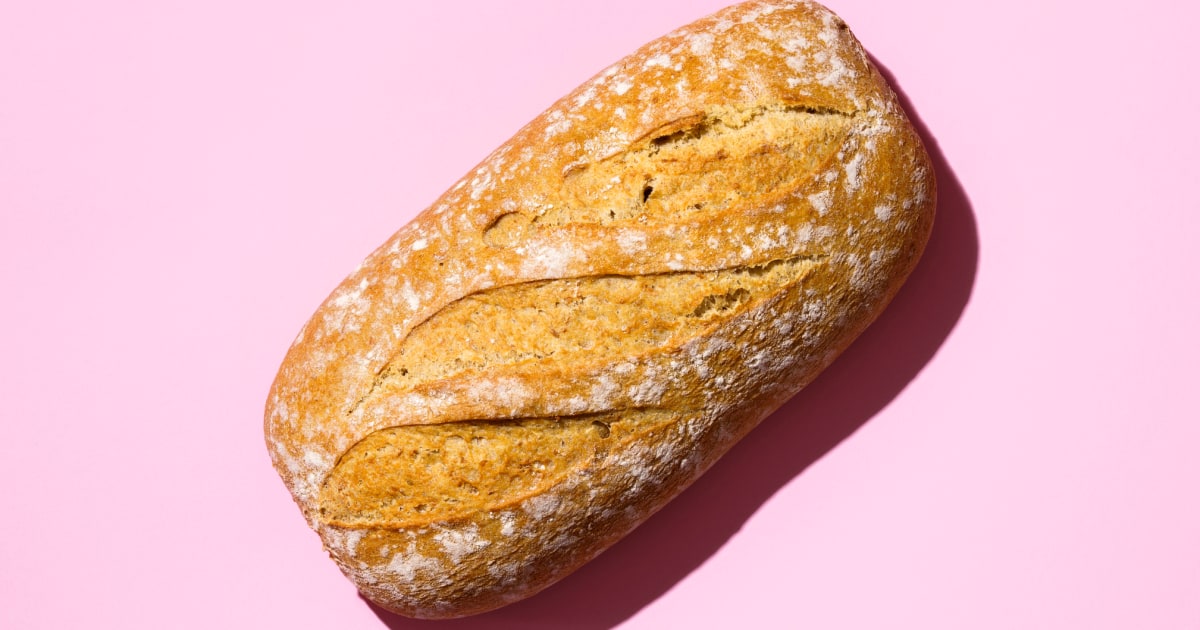
Bread has long gotten an unfair shake, like most carbohydrate-rich foods. But as a food that’s been fundamental to cultures across time and history, it’s doing something right. Sure, you might want to limit the amount of carbs you eat in a day depending on your health goals, but carbs are essential to our bodies functioning properly and having enough energy to make it through the day.
Whether it’s toast or a delicious sandwich, food doesn’t get much simpler or more satisfying than bread. But some types of bread are better for you than others. And the healthiest bread provides protein, fiber and essential vitamins, dietitians say.
“We don’t need to fear carbs,” registered dietitian Vanessa Rissetto said during a Sep. 11, 2024, segment on TODAY. Carbohydrates are one of the three macronutrients the body needs and a major source of energy.
Caroline Susie, a registered dietitian based in Dallas, agrees. “I joke all the time that I’m a carb crusader — and I’m a huge fan of bread,” she tells TODAY.com.
Most healthy adults should aim to get around half of their daily calories from carbs, Theresa Gentile, a registered dietitian in New York City and a spokesperson for the Academy of Nutrition and Dietetics, tells TODAY.com.
Bread can be a helpful source of those essential carbs — especially if it contains protein, vitamins and gut-healthy fiber too, says Susie, spokesperson for the Academy of Nutrition and Dietetics.
One slice of bread — the typical serving size — can provide 3 grams of fiber or more. And bread can also be a great “vehicle for so many other foods,” Susie says. “There are so many nutritious foods that people probably wouldn’t eat if (they didn’t) put it on bread,” Gentile agrees. Think: hummus, seeded spreads and nut butters.
That said, some breads might be better picks for you than others, experts say. When you’re trying to buy the healthiest bread for your individual nutrition goals, it pays to take a good look at the label.
What To Look For in a Healthy Bread
If you’re choosing a healthy bread, you first need to know a little about how wheat is turned into the flour that makes bread.
A wheat kernel is made of three parts: the bran, germ and endosperm, the U.S. Department of Agriculture explains.
Whole-grain bread contains all three of those elements, which each provide nutrients. So, if you’re looking for the healthiest bread, you’ll probably want to start with whole-grain bread, the experts say.
Because it’s made with the entire wheat kernel, whole-grain bread naturally provides fiber, protein, vitamins and antioxidants. Those nutrients make whole grains beneficial for brain and heart health. Whole grains are also a big part of the top-rated Mediterranean, DASH and MIND diets due to those health benefits.
Meanwhile, white bread is made bread from refined flour, which only contains the endosperm from the wheat kernel. Therefore, refined flour (and the bread it makes) loses a hefty dose of nutrients in the refining process.
That’s not necessarily true for all white bread, though. White bread that’s labeled “enriched” has had some of those vitamins and nutrients added back into the final product, Gentile explains. And breads that are labeled “multi-grain” will contain a combination of whole-grain and refined flours, she adds.
In general, though, the dietitians TODAY.com spoke to recommend opting for whole-grain breads that naturally contain all parts of the kernel. These breads don’t need to go through that extra processing step.
You’ll see plenty of whole-grain bread options when walking down the bread aisle at your local grocery store. For instance, whole wheat, sprouted grain, and whole-grain bread made with gluten-free grains such as millet or pure oats are all considered healthy whole-grain breads.
When you’re shopping for healthy whole-grain bread, keep these pointers in mind:
The first ingredient on the label should be whole-wheat flour or another type of whole-grain flour. It may also appear as “100% whole grain” or “100% whole wheat,” the USDA says. Opt for a bread with as few grams of added sugar listed on the label as possible.What Is the Healthiest Type of Bread?Whole-Wheat Bread
Whole-wheat bread contains whole-grain flour. That means it will provide the nutrients contained in the entire kernel, including a good amount of gut-healthy fiber, filling protein and energizing carbs.
“Whole-wheat bread has more fiber (than white bread), so it’s better for gut health and digestion,” Rissetto said. And, with a little more protein, it will also help keep you full, she added.
When looking at the label, make sure it lists “whole-wheat flour” as the first ingredient on the label, Gentile says. Or, better yet, look for a percentage. “Some breads might say ‘100% whole wheat’ on the package,” she explains. “It probably won’t advertise it if it’s not 100%.”
Remember that you can’t rely on the color of the bread alone to know whether it contains whole grains, Rissetto notes. “Looking at the percentage (of whole grains) is going to help you more than looking at the color,” she said.
That’s one reason Susie encourages people to really study the nutrition label and ingredients list when choosing whole-wheat bread. “You need to look and see that the first ingredient (is) whole wheat flour,” she says. “What you want to avoid, potentially, is just wheat flour, because (that is) basically white flour.”
Sprouted Breads
Some people prefer sprouted breads, which contain whole grains that have been allowed to germinate before getting turned into flour, Susie explains.
Like whole-wheat bread, sprouted breads tend to have large amounts of fiber and protein, Susie says. But there’s some evidence that the extra germination process increases the bioavailability of some of those nutrients. “You’re going to get more bang for your buck with certain vitamins and minerals,” Susie says, particularly iron and B vitamins, like folate.
But that’s more of a “nice to have” benefit in bread than an essential, Susie says. Sprouted bread can also contain more antioxidants, particularly the plant-based polyphenols, Gentile adds.
Be warned that sprouted breads tend to have a denser texture that may be better suited for toast than a sandwich, Susie says.
Seeded Bread
You’ll likely find different types of whole-grain bread with added seeds, which add even more nutrients to those products.
“Seeds can be full of good fats,” Susie says, and are another way to add fiber and protein. She particularly recommends looking for bread containing flaxseeds and chia seeds, which are packed with nutrients. Experts previously told TODAY.com that pumpkin seeds are some of the healthiest seeds due to their high fiber, protein, zinc and magnesium content.
However, any added seeds will change the texture of the bread, Susie notes, which may or may not be to your preferences.
And just because a bread has seeds doesn’t mean it’s automatically a healthier choice, Rissetto said. It’s also not a guarantee that the bread is made with 100% whole grains, she added.
The seeds can also add extra calories, which may be something to keep in mind depending on your goals, Gentile explains. “It does bump up the calories for the bread, possibly significantly,” she says.
Gluten-Free Breads
For those with gluten allergies or sensitivities, gluten-free bread will be the healthiest option.
And, thankfully, you have a lot of options to choose from at the grocery store these days, Susie says. Many gluten-free breads are made with alternate starches, like corn, chickpea, oat, millet or rice flour. These breads are still high in carbohydrates and may be high in calories, too, Rissetto said, so don’t assume that a gluten-free bread is going to be healthier overall.
Those alternate flours tend to provide less fiber than whole-grain flour, Gentile notes. And, because gluten is what gives bread its characteristic spongy texture, gluten-free bread may be a bit crumblier than other types, Susie explains.
Rissetto recommends keeping gluten-free bread in the freezer and then toasting it without defrosting for the best taste and texture.
Gluten-free bread can also be made with almond flour, which provides some extra protein and healthy fats, Gentile says.
Additionally, sourdough bread naturally contains less gluten than other types of bread because gluten gets broken down during the bread-making process, Gentile explains. So it may be another good option if you’re sensitive to gluten. But sourdough bread is not entirely gluten-free, so people with gluten allergies should steer clear.
Sourdough is Rissetto’s favorite healthy bread, she said. That’s because its low pH and longer fermentation time aids in digestion of certain complex carbohydrates “that are not properly absorbed by the small intestine (and) can cause bloating.”
What’s the Healthiest Bread You Can Buy?
When Consumer Reports looked at 56 breads on the market to find the healthiest options, it generally opted for breads that are made with whole grains and low on added sugar and sodium. Breads that have added nuts and seeds provide bonus protein and healthy fats, the publication said.
The healthiest breads, according to Consumer Reports, include:
Food For Life Organic Flourless Sprouted Grain Ezekiel 4:9Food For Life Organic Flourless 7 Sprouted Grains365 Whole Foods Market Organic Ancient GrainsNature’s Own 100% Whole WheatDave’s Killer Bread Organic Powerseed
No matter what type of bread you choose, remember that carbohydrates are not the enemy. “People demonize carbs and are so scared of them,” Susie says. “It’s wonderful to remind people that you can absolutely enjoy these foods — and they’re very much good for you.”
Dining and Cooking