
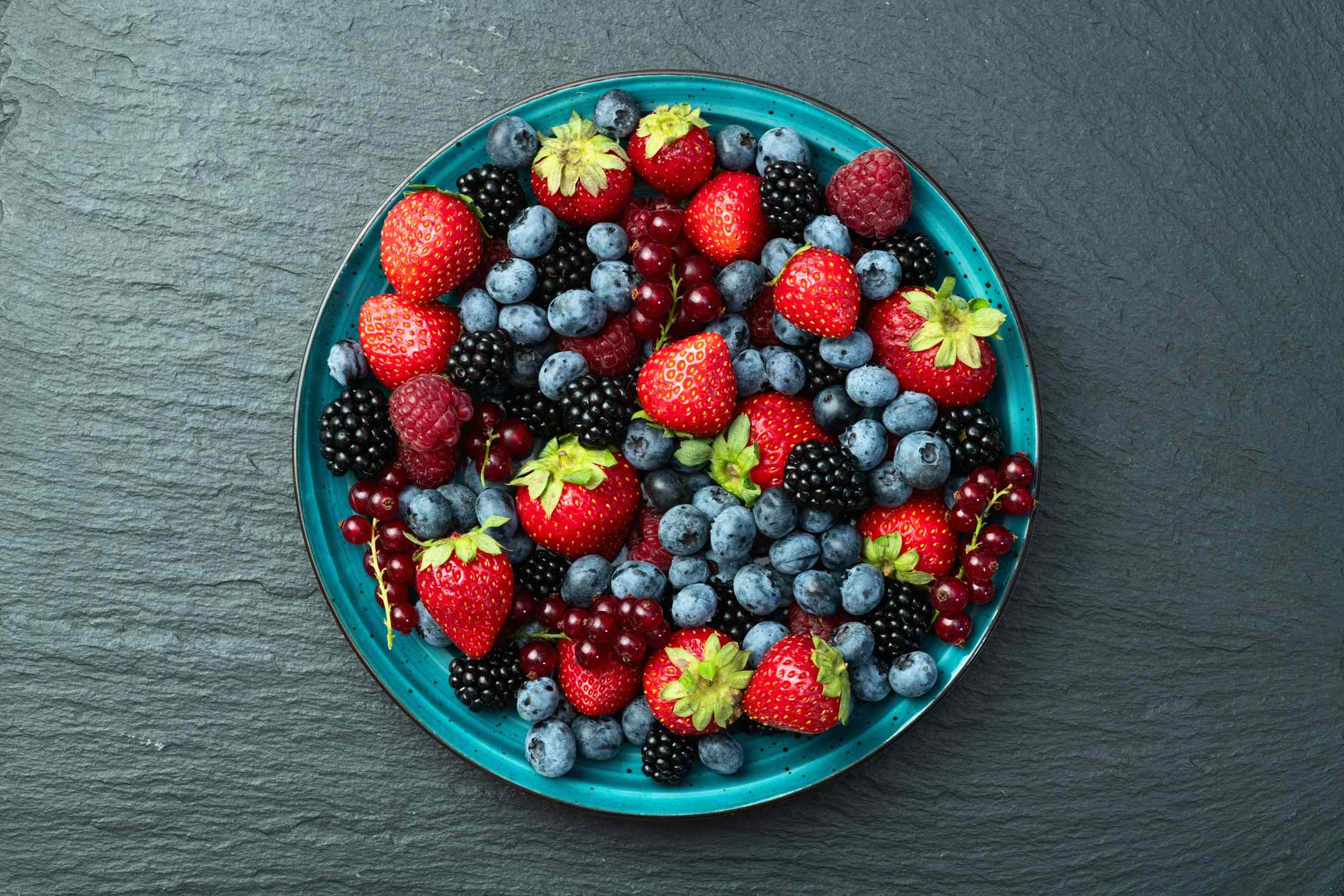
Polyphenols are plant compounds that may help protect the heart by reducing inflammation and cell damage. Berries are a good source, but many other foods provide similar or even higher amounts.
Yulia-Images / Getty Images
Herbs and spices are highly concentrated sources of polyphenols. While people don’t eat 100 grams at a time, herbs and spices contain far more polyphenols by weight than berries, and small amounts can still add up.
Polyphenol content of herbs and spices:
Cloves: 15,188 milligrams (mg) per 100 grams (g)Star anise: 5,460 mg per 100 gDried oregano: 2,319 mg per 100 gCelery seed: 2,094 mg per 100 gDried sage: 1,207 mg per 100 gDried rosemary: 1,018 mg per 100 gDried thyme: 878 mg per 100 g
alvarez / Getty Images
Dark chocolate is an excellent source of polyphenols, especially flavonoids. Research has linked dark chocolate flavonoids to improved blood vessel function, lower blood pressure, and a reduced risk of heart disease.
To get the most heart health benefits, choose dark chocolate with at least 70% cocoa. Higher cocoa content means more polyphenols and less added sugar.
Polyphenol content of dark chocolate: 1,664 mg per 100 g
Jordan Lye / Getty Images
Many nuts, including walnuts, pecans, chestnuts, hazelnuts, and almonds, are rich in polyphenols. They also provide fiber, healthy fats, and minerals that support heart health.
In a 2020 study, each additional 28 grams (about one ounce) of nuts per day was associated with a lower risk of heart disease and heart-related death.
Polyphenol content of nuts:
Chestnuts: 1,215 mg per 100 gHazelnuts: 495 mg per 100 gPecans: 493 mg per 100 gAlmonds: 187 mg per 100 g
White Bear Studio / Getty Images
Black and green olives, along with olive oil, are staples of the Mediterranean diet and are known for their heart health benefits. These benefits are partly due to polyphenols, including tyrosol, found in olives and olive oil. Monounsaturated fats (MUFAs), which help lower LDL, or “bad,” cholesterol, also play a key role.
When choosing olive oil, opt for extra-virgin olive oil, which contains higher amounts of antioxidant compounds.
Polyphenol content of olives and olive oil:
Black olives: 569 mg per 100 gGreen olives: 346 mg per 100 gExtra-virgin olive oil: 62 mg per 100 milliliter (ml)
Sanny11 / Getty Images
Fresh plums and dried plums, often called prunes, provide antioxidants, including anthocyanins that give them their deep color. These compounds may help protect cells from damage and support heart health by improving cholesterol levels and lowering the risk of heart disease and stroke.
Polyphenol content of plums: 377 mg per 100 g
Gutium Maria / Getty Images
Like plums, cherries contain polyphenols such as anthocyanins, which give them their deep red color. Cherries also provide potassium, which supports healthy blood pressure.
Some research suggests that regularly eating cherries, including both sweet and tart varieties, may help reduce oxidative stress and inflammation, two factors linked to heart disease.
Polyphenol content of cherries (sweet): 274 mg per 100 g
HUIZENG HU / Getty Images
Artichokes are one of the top vegetable sources of polyphenols, including chlorogenic and caffeic acids. They’re also rich in fiber and vitamin K. Fiber helps you feel full and supports digestion, cholesterol levels, and blood sugar control. Vitamin K is important for blood clotting and may help reduce inflammation. Diets higher in vitamin K have been linked to a lower risk of heart disease.
Polyphenol content of artichokes: 260 mg per 100 g
Ekaterina Goncharova / Getty Images
Coffee is one of the biggest sources of polyphenols in the Western diet. Its main polyphenol, chlorogenic acid, has been studied for potential heart benefits. While there is less human research on chlorogenic acid than on other polyphenols like flavonoids, some evidence suggests it may support healthy blood pressure and blood vessel function.
Some studies link moderate coffee intake (about three to five cups a day) with a lower risk of heart disease. Keeping added sugar to a minimum can help maximize these benefits. Light roast coffee often contains more polyphenols than darker roasts.
Polyphenol content of coffee (filtered): 214 mg per 100 ml
FabrikaCr / Getty Images
Green and black tea are rich in polyphenols, including catechins, which may help reduce inflammation and protect cells from damage. Some studies suggest that drinking black or green tea in moderation is linked to a lower risk of stroke.
Polyphenol content of tea:
Black tea: 102 mg per 100 mlGreen tea: 89 mg per 100 ml
Muhammad Aqib / Getty Images
Drinking too much alcohol of any kind can raise the risk of chronic disease and harm the heart. However, studies suggest that drinking small amounts of red wine may offer heart health benefits. This is because it contains polyphenols like resveratrol, anthocyanins, and catechins that help protect blood vessels.
On days you drink alcohol, the American Heart Association recommends limiting your intake to one drink per day for people assigned female at birth and up to two drinks per day for people assigned male at birth.
For people who do not already drink alcohol, starting to drink red wine for heart health is not recommended, even though it contains antioxidants.
Polyphenol content of red wine: 101 mg per 100 ml
Dharmendra Yadav / Getty Images
Apples are a widely available source of polyphenols, especially when eaten with the skin on. While their polyphenol content is lower than some berries by weight, apples are eaten more frequently and in larger portions, making them an important contributor to overall intake. Apples also provide fiber, including pectin, which is linked to improved cholesterol levels.
Polyphenol content of apples: 136 mg per 100 g
Here are some ways to get more polyphenols to your diet:
Eat a variety of plant foods: Include a variety of plant foods in your diet to get a wide range of polyphenols.Cook with herbs and spices: Add cloves to tea or baked dishes, and use dried oregano, rosemary, sage, or thyme when cooking. Small amounts can still add up.Choose polyphenol-rich drinks: Tea, coffee, and cocoa naturally contain polyphenols. Enjoy them in moderation and limit added sugars and creamers.Focus on whole foods: Whole and minimally processed foods tend to contain more polyphenols than ultra-processed options, which often lose beneficial plant compounds during processing.
Dining and Cooking