
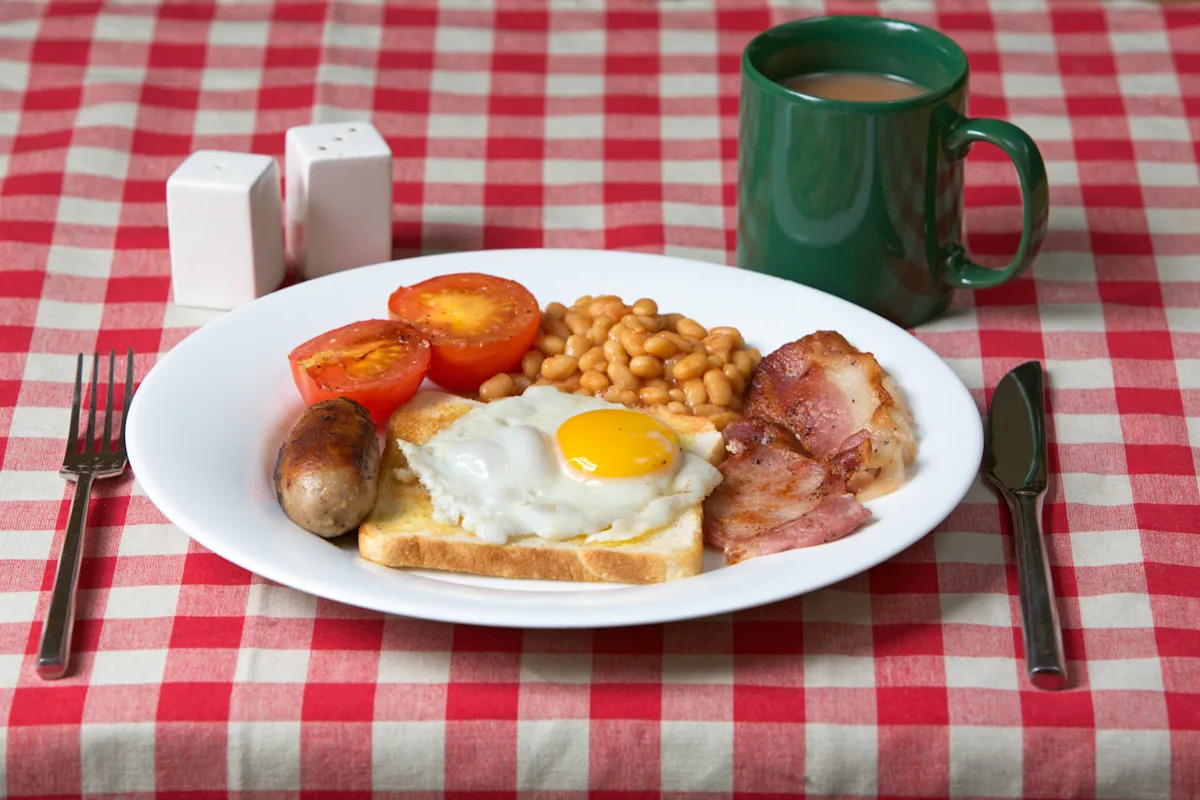
Whether it’s for breakfast, in a sandwich, as an omelette or as a snack, in the UK, we eat around 199 eggs a year each. That’s an average of just under four a week.
We’re also eating more now than we did 20 years ago, with egg consumption increasing by an estimated 1.6 billion eggs since 2004.
Those looking for healthier snacking options are even choosing eggs over crisps, with Tesco revealing this month that, for the second year running, The Egg Protein Pot was the supermarket’s most popular meal deal snack.
But taste preferences aside, which is the healthiest way to cook them?
We asked dietitian Kiri Pointon-Bell to explain the benefits of including eggs in your diet and whether the cooking method you choose affects their nutritional value.
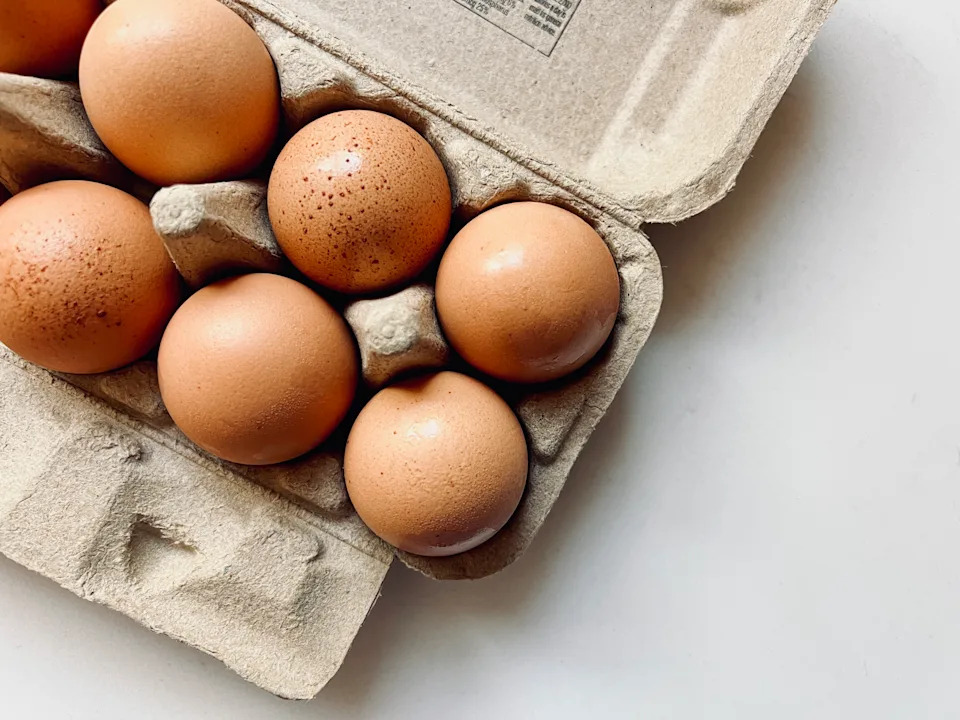
Both the white and the yolk of an egg contain protein.
(Audrey Patsiga via Getty Images)Are eggs good for you?
Eggs are probably best known for being high in protein, an essential macronutrient which helps our muscles grow and repair, supports the immune system and helps keep bones strong. But they also offer plenty of other nutritional benefits.
“Eggs are quite an unusual whole food in that they contain such a wide range of different vitamins, minerals and nutrients in clinically useful amounts for the body,” says Pointon-Bell, a spokesperson for the British Dietetic Association.
“They’re a source of vitamin A and folate, and high in nutrients including vitamin D, vitamin B12 and protein.
“They also contain monounsaturated fatty acids, which are good for our cardiovascular system and can help reduce the risk of heart disease and strokes.”
Some of the nutrients in eggs include:
Protein – one medium egg contains around 6.4g. Adults are advised to eat around 0.75g per kilogram of body weight a day.
Vitamin D – helps keep bones, teeth and muscles healthy.
Folate – helps an unborn baby’s brain, skull and spinal cord develop properly during pregnancy. Pointon-Bell also tells Yahoo UK, “Sufficient daily folate intake may also be preventative against dementia in older adults.”
Vitamin A – supports the immune system, helps vision in dim light and keeps skin healthy.
Vitamin B12 – makes red blood cells and helps keep the nervous system healthy.
Choline – important for our brain health and infant growth and development in pregnancy.

Eggs are high in nutrients, including vitamin D and vitamin B12.
(Richard Bailey via Getty Images)Is it better just to eat the whites?
While egg white omelettes may be favoured by some on low-calorie, high-protein diets, Pointon Bell says to get the most nutritional benefit from your eggs, you should eat both the white and the yolk.
“People often think it’s just the egg white that’s high in protein, but it’s both the white and the yolk. The yolk is also where most of the micronutrients are,” the dietitian explains.
What is the healthiest way to cook eggs?
When it comes to how we like our eggs cooked, some of the top choices in the UK, according to an Ipos survey, are:
Hard- and soft-boiled 6% each
As for which is better nutritionally, Pointon-Bell says it’s less down to the cooking method and more to do with what you cook them with.
“Whether your egg is boiled, fried, scrambled or poached, as long as you’re using the whole egg, it’s still going to provide the same nutrients,” she explains.
“It’s not the cooking method but what you’re adding to your eggs that can make one method more superior in terms of health. Are you frying them in saturated fats, for example, or adding cream or butter to scrambled eggs?”
Here’s what to consider for each cooking method.
Boiled eggs
When you boil eggs, you cook them in water and nothing else, making it a healthy way to prepare them without additional fats.
Cooking eggs in any way also makes the protein in them easier to digest.
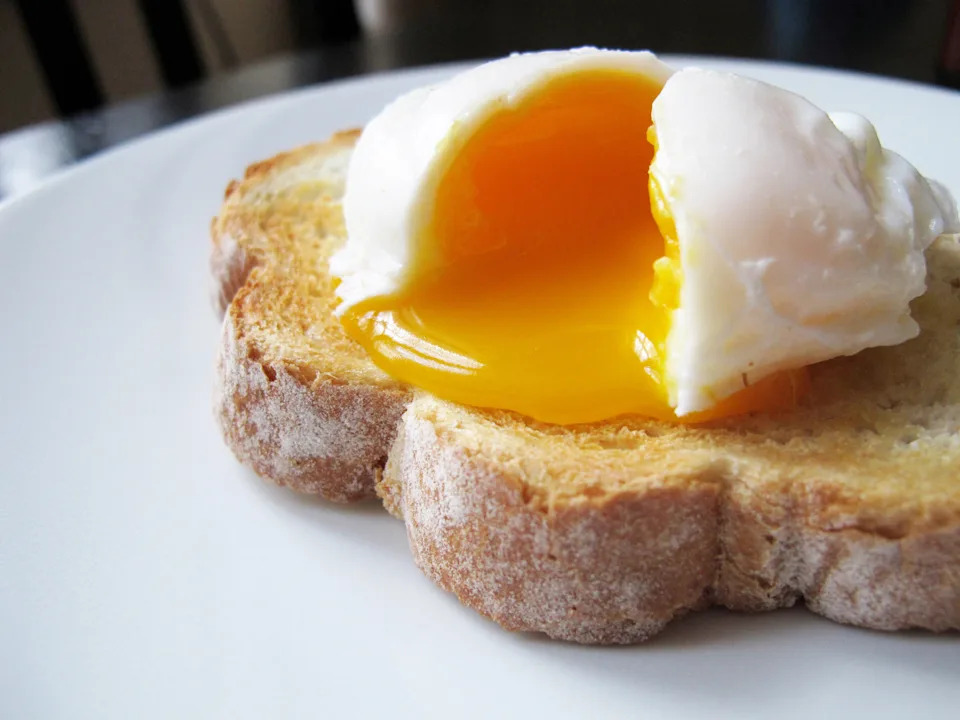
Cooking eggs makes the protein in them easier to digest.
(Jody Louie took this picture via Getty Images)
Poached eggs
As poaching also only uses water, it’s another good way to cook your eggs without adding fat.
Scrambled
Many of us add ingredients like cream, butter, and cheese to make scrambled eggs more decadent and fluffy, but this isn’t ideal every day.
“It often tends to be dairy products that people add, and they tend to be the ones that are higher in saturated fat and also salt if you’re using salted butter or salty cheeses,” says Pointon-Bell.
“If you’re only having them now and again, it’s not a big deal, but if it’s every day, try cooking your scrambled eggs with a splash of milk instead.”
Eating too much salt can lead to high blood pressure, while too much saturated fat can raise ‘bad’ LDL cholesterol in your blood, both of which increase your risk of heart attack and stroke.
Fried
If you’re frying eggs, choose the fat or oil you use wisely.
“Using butter adds calories and saturated fat,” says Pointon-Bell. “If you’re frying eggs in a little bit of butter now and again, it’s not an issue. But if you’re using a large amount, like cooking a whole fry-up or having fried eggs every day, it’s best to go for a monounsaturated oil such as vegetable or olive oil.
“This can help promote healthy cholesterol levels, protect your cardiovascular health and reduce the risk of stroke.”
What is it best to eat eggs with?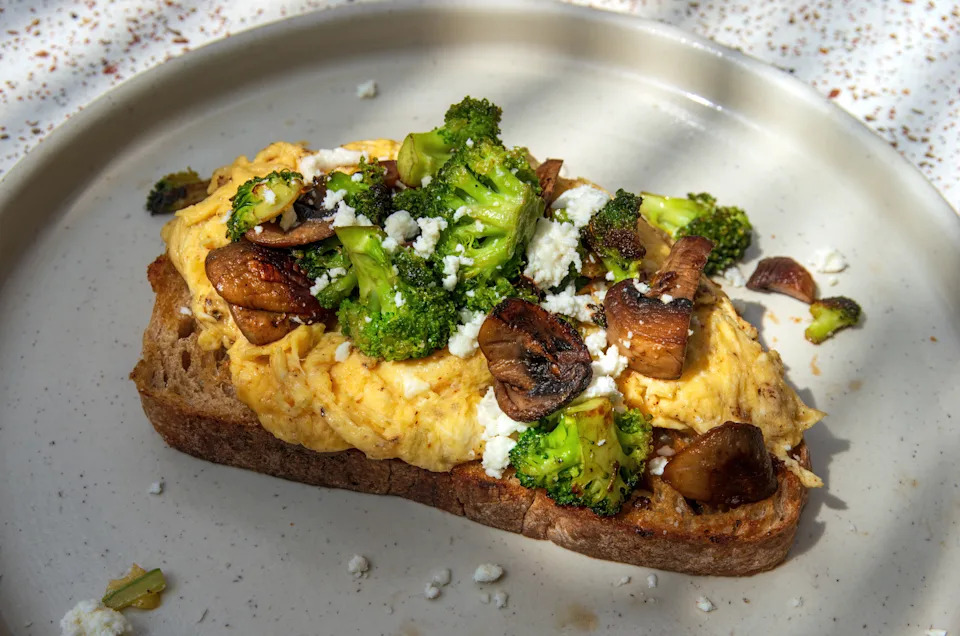
Serving eggs with vegetables high in vitamin C, like broccoli, will help your body absorb the iron in the yolk.
(Simon McGill via Getty Images)
“Serving eggs with carbohydrate foods helps balance the meal by providing a more efficient source of energy,” says Pointon-Bell. “Choosing higher-fibre carb options or adding vegetables will also promote good gut health.”
Try some of the following:
Chop skin-on potato into an omelette made in a pan using a healthy oil like olive oil
Go for seeded, sourdough or wholegrain bread on the side or underneath your eggs
Add different coloured veg for fibre, additional vitamins and minerals and a variety of phytochemicals.
Eat with vegetables rich in vitamin C to help your body absorb the iron in egg yolk. This includes tomatoes, broccoli, peppers, spinach, kale and potatoes.
Dining and Cooking