
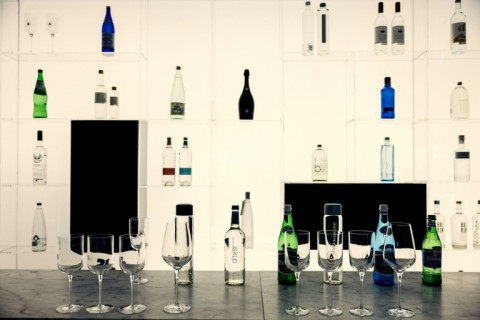
At his Stellenbosch tasting room, guests sample six waters, three still and three sparkling, served in stemware at between 14 and 18 degrees Celsius, while discussing the minerality, “total dissolved solids” and filtration.
Plastic or glass packaging and nitrate levels — which can indicate pollution at source, are other factors, Pieterse said, against a backdrop of Stellenbosch’s expansive vineyards and warm mountainscapes.
Some bottlers sell tap water purified through reverse‑osmosis filtration which removes the minerals and flavour, he said. “It takes everything out of the water so that water is completely dead.”
The most expensive item is a German water sold in champagne‑style bottles for around R5,000.
Alongside the luxury offerings is a high-mineral South African brand priced on his website at R50 for 750 millilitres.
Tap water is generally considered safe to drink in South Africa but — in one of the most unequal countries in the world — just 45 percent of households had piped drinking water in their dwellings in 2023, according to national statistics.
Another 30 percent were able to drink from a tap in their yards, while others depended on communal taps and rainwater tanks.
Failing infrastructure causes regular supply disruptions and has sparked angry protests by communities forced to rely on water tanks brought in by municipalities or NGOs.
The water-stressed nation has also been through severe droughts and periods of low rainfall with entire towns warned their taps could run dry.
“Being in a country where water is already not readily available, it’s important to showcase and educate about water and its scarcity,” said Pieterse.
“We have to add value to water, so people take care of it.”
The information contained in the article posted represents the views and opinions of the author and does not necessarily represent the views or opinions of eNCA.com.
Dining and Cooking