
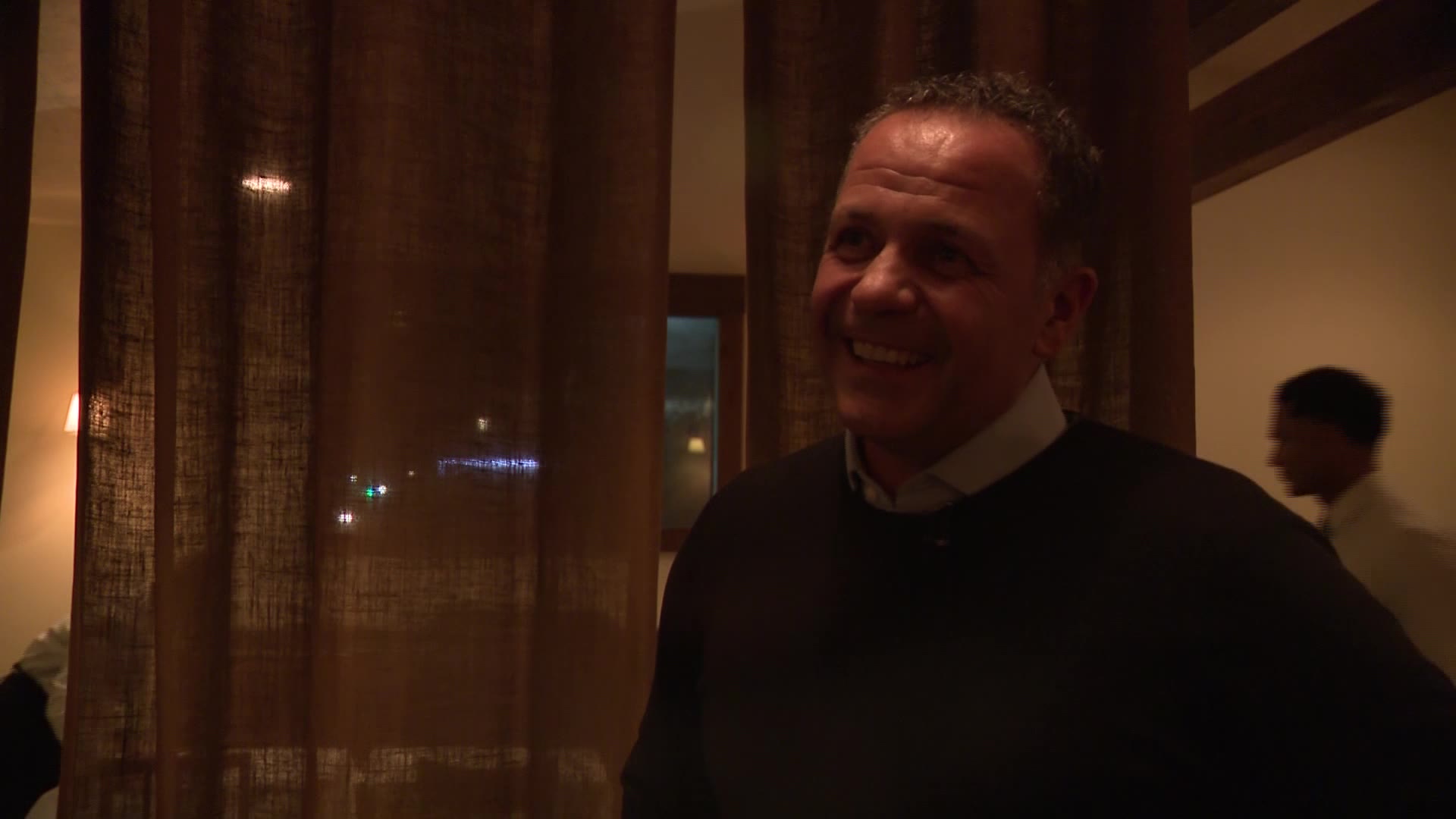
SALT LAKE CITY – As Team KSL prepares to head to Italy for the Winter Olympics in Milan-Cortina this February, the group decided to try out an authentic Italian meal. With help from Veneto owner Marco Stevanoni, Deannie, Mike, Matt, Alex and photographer Mark learn the five rules for an authentic Italian experience at a restaurant.
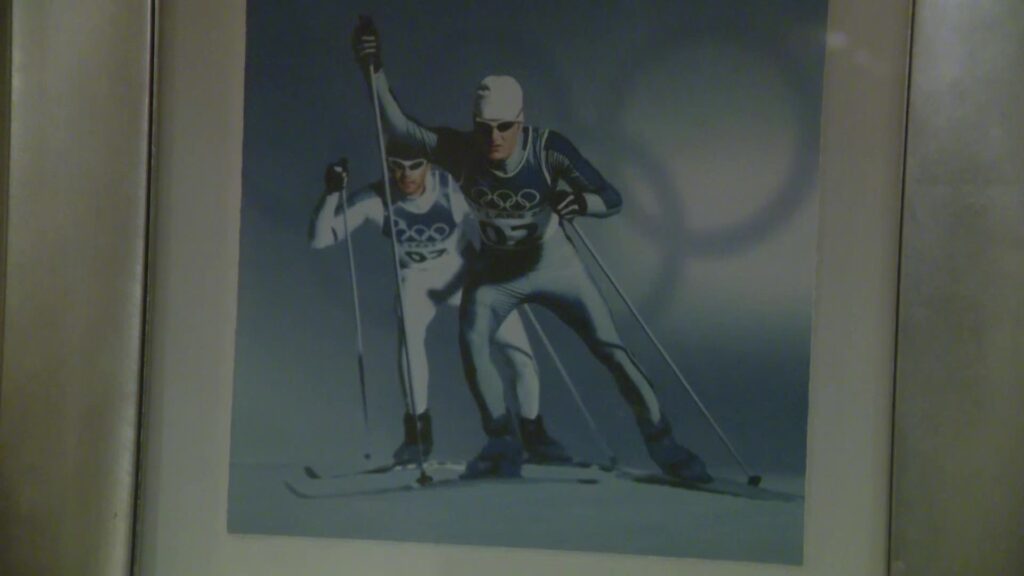
Stevanoni not only skied for the Winter Olympics in 2002, but he was the poster child for the Olympic spirit, with his picture projected on buildings.

(KSL)
“I came to train for the Olympics in 2002 and received a scholarship from the University of Utah for the ski team. Then when I was done skiing, I met my beautiful wife, and Utah became my home,” Stevanoni said. “(They) did a photoshoot advertising the Olympics and they picked me and I got a nice picture on a very large building in Salt Lake.”
(KSL)
Italian food and traditions are a labor of love for Veneto owner Marco Stevanoni.
“There are a lot of things you can spot on a tourist rather than someone who really enjoys the Italian culture,” Stevanoni said.
Lesson 1
Italian dinners take time.
“For Italians, it’s really a time to sit and relax,” Stevanoni said. “Dining should not take less than two hours.”
Lesson 2
Some Italian restaurants don’t have ice even if you order it.
“The one thing you’re not going to find in Italy is ice with water,” Stevanoni said. “Room temperature (water) for Italians is preferable because … the cold, when you eat, it stops your digestion.”
Lesson 3
Authentic Italian meals don’t start with bread.
“One of the pet peeves in Italy is someone sitting down and saying, ‘Where is my bread?’ and well, that comes later,” Stevanoni said.
Italians also don’t dip the bread in olive oil, according to Stevanoni.
“There is a tradition of scarpetta. It means you clean the plate with the sauce of your pasta with the bread,” Stevanoni said.
Lesson 4
One of the biggest differences between the American experience and that in Italy is that the meal comes in courses. It gives you time to eat and talk, instead of eating one big entree and then leaving.
“In Italy, you never order everything at the same time,” Stevanoni said. “You want to sit down and start with aperativo or appetizer, then you order the first course.”
Lesson 5
And finally, don’t even think of cutting the pasta.
“Don’t ever cut the pasta with a knife,” Stevanoni said. “It’s very disrespectful to the chef, to the tradition, and once you break the pasta, you change (the) texture.”
But do savor the food, the company and the chance to experience more than just a meal.
Dining and Cooking