
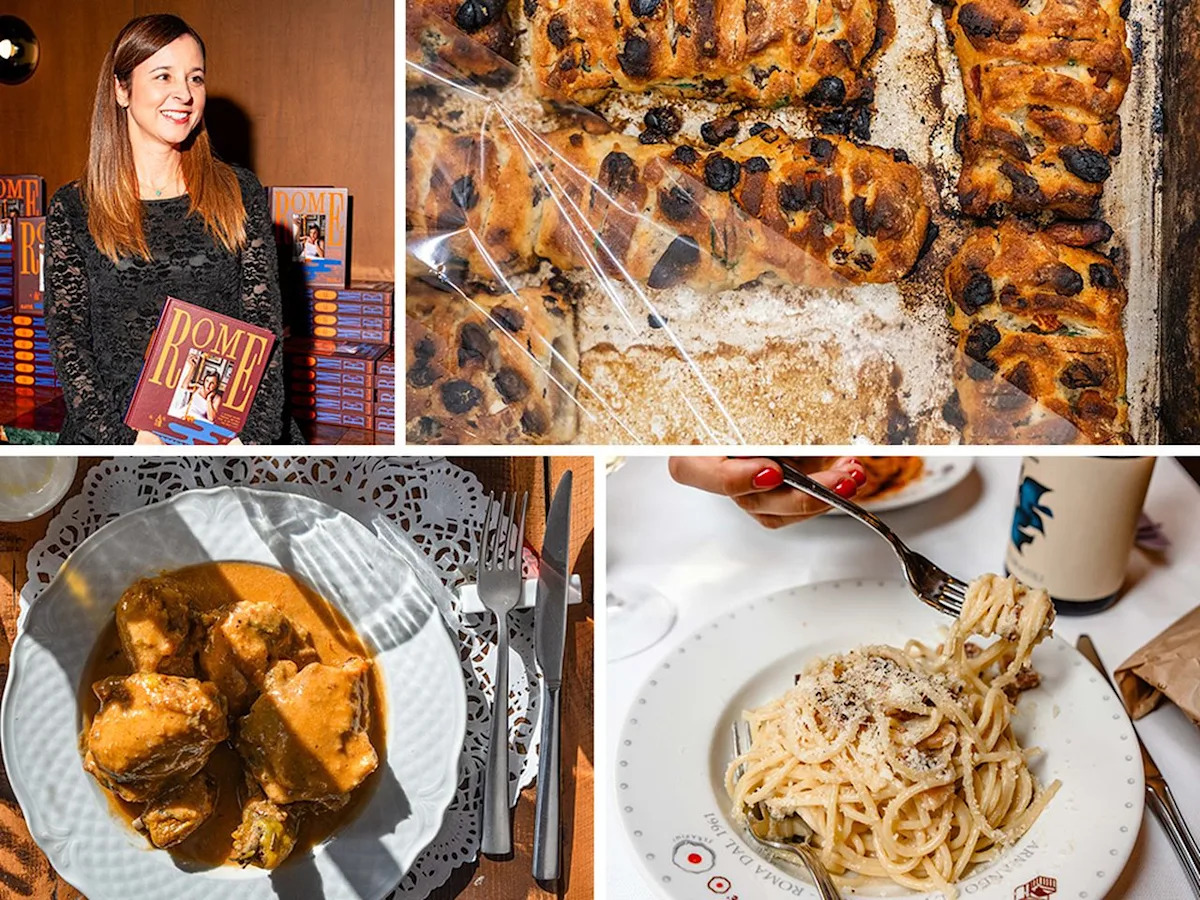
Our cookbook of the week is Rome: A Culinary History, Cookbook, and Field Guide to the Flavors that Built a City by Katie Parla.
Jump to the recipes: pollo alla cacciatora (tangy chicken stew), spaghetti alla gricia (spaghetti with black pepper, guanciale and Pecorino) and pizza ebraica (Jewish fruitcake with pine nuts, raisins and candied fruit).
Cookbook author, publisher and culinary guide Katie Parla has called Rome home for more than 20 years. In “something like my fortieth book” — her third published under Parla Publishing, which she founded in 2022 — she tells the story of the Italian capital in three parts: a culinary history, 110 recipes and a guidebook.
“I’ve been writing about Rome for a long time. I’ve been there a long time, and I do several things. I have a food tour company. I develop recipes. I document food culture, and a lot of what I try to do is give context,” says Parla in a Toronto interview. “Giving people tools, knowledge and information that helps them orient (themselves) in Rome.”
Many things have shifted since Parla moved to Rome in 2003, from the farmers’ markets that began to appear in 2009 to a vibrant street food and fast-food culture that allows people on budgets and precarious workers access to satisfying meals.
Parla says that new culinary movements have taken root in response to the economic situation. Facing financial constraints, Romans can’t afford to go out to a trattoria meal as often as they might have, which has created a space for people — often younger — without a lot of capital, to open pizzerias, pizza-by-the-slice spots and bakeries.
“Now people can have the most incredible, thoughtfully made braised meat sandwich, or they can go to a cafeteria-style place and have something that feels like a home-cooked meal made with really nice ingredients, but feel like they’re not compromising. And these places have only increased the conviviality around the table, or I guess around the high top that you perch on while you eat a slice of delicious, gourmet pizza.”
Parla stresses that Rome, the book, isn’t about “the best” of the city but the reality. “Rome is in constant evolution. Even though I think a lot of people tend to want to trap the city in amber, the reality is, Rome 25 years ago is a different Rome than 2016. It’s a different Rome than 2026, and I wanted to give that full spectrum of what we eat in Rome — how we navigate food spaces,” she says. “We have such a higher quality of food, accessible food, now. Obviously, no one likes having less disposable income, but the result is this innovation and creativity.”
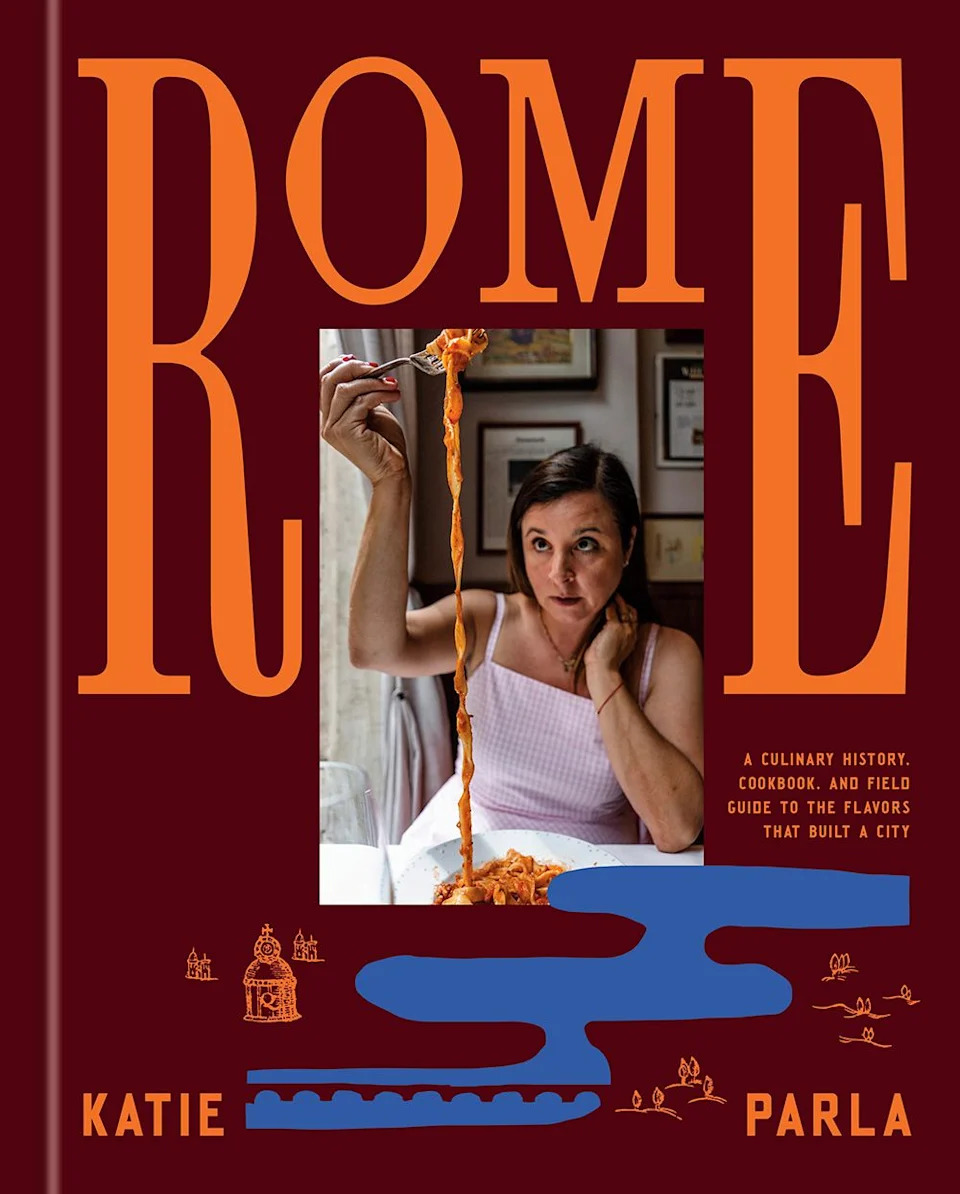
Rome is Katie Parla’s second cookbook devoted to the city she’s called home for more than 20 years.
The book concludes with an appendix dedicated to artisanal producers and food venues. Parla highlights that 80 per cent of Italian food is produced industrially. Spotlighting businesses aligned with her sensibilities — and that are what many people would expect in Italy — was of prime importance.
As she does on her tours, Parla strives to give readers the confidence to venture out of the city centre. She highlights that most Romans live in the quartieri (neighbourhoods), such as Flaminio and Trionfale, each with a distinct identity.
Along with a broadened sense of geography, Parla also sets out to expand people’s idea of what Roman food is.
“There’s this trope that there are four Roman pastas. There are 40,” says Parla, laughing. “So, I’m like, ‘OK, if you haven’t had rigatoni with the intestines of a milk-fed veal, unfortunately, you have not experienced Roman food culture, and it’s more delicious than perhaps the description makes it sound.’ But there are all of these dishes that are so rooted in Roman identity that go beyond the highly ‘grammable carbonara, which, unfortunately, is always the Reel that gets the most follows and views. And I’m just like, ‘We already know about this. What about oxtail?’”
More than two decades after moving to Rome with a bachelor’s degree in art history — first leading archaeological tours, then earning a master’s in Italian gastronomic culture and embarking on a culinary career — Parla spends her free time the same way she did in the early days: exploring the city by bicycle or on foot.
“What excites me about Rome is that you can never know it all because every neighbourhood has its own rhythms and character,” she says. “The fact that I’ll never know all of it, that was so exciting to me and still is.”
POLLO ALLA CACCIATORA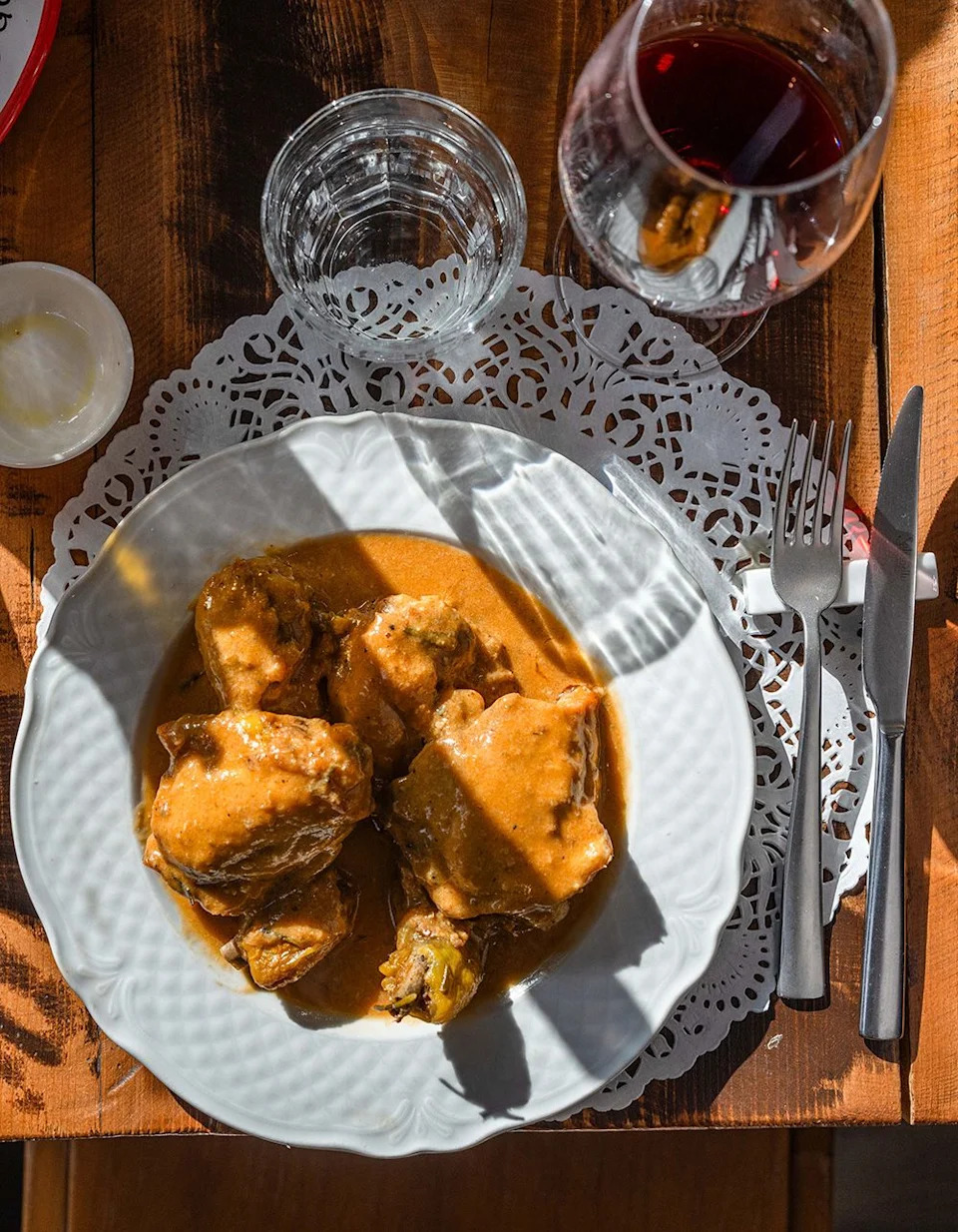
“It’s so, so comforting,” Katie Parla says of pollo alla cacciatora, or hunter’s chicken. “I love making a huge batch of it.”
Tangy Chicken Stew
Serves: 4 to 6
3 lb (1.4 kg) bone-in chicken legs and thighs, separated
Sea salt
1/4 cup extra virgin olive oil
2 garlic cloves, smashed
Leaves from 1 sprig rosemary, roughly chopped
Leaves from 1 sprig sage, roughly chopped
3/4 cup dry white wine
2 cups chicken broth, vegetable broth or water, plus more as needed
1/4 cup white wine vinegar
Step 1
Season the chicken with salt. Transfer to a covered container and refrigerate for at least a few hours and up to 12 hours.
Step 2
Remove the chicken from the refrigerator 90 minutes before you intend to cook.
Step 3
Heat the olive oil in a large pan over low heat. When the oil begins to shimmer, add the garlic and cook just until it begins to take on colour, about 5 minutes. Add the chicken, skin side down, increase the heat to medium, and cook until browned on all sides, 10 to 12 minutes. Add the rosemary and sage and cook until fragrant, 30 seconds. Add the wine, increase the heat to high, and cook just until the alcohol aroma dissipates, about 1 minute. Add the broth and bring to a simmer.
Step 4
Reduce the heat to low and cook, partially covered, checking at the 30-minute mark to be sure there is enough broth in the pan. Add more as needed to keep the chicken partially submerged. Cook until the chicken is super tender and easily releases from the bone, about 1 hour. Add the vinegar about 10 minutes before the chicken is ready. If at this point the sauce is really juicy, leave the pan uncovered, increase the heat to medium-high, and cook until the liquid thickens. Season with salt and pepper. Serve directly from the pan, and eat with your hands.
SPAGHETTI ALLA GRICIA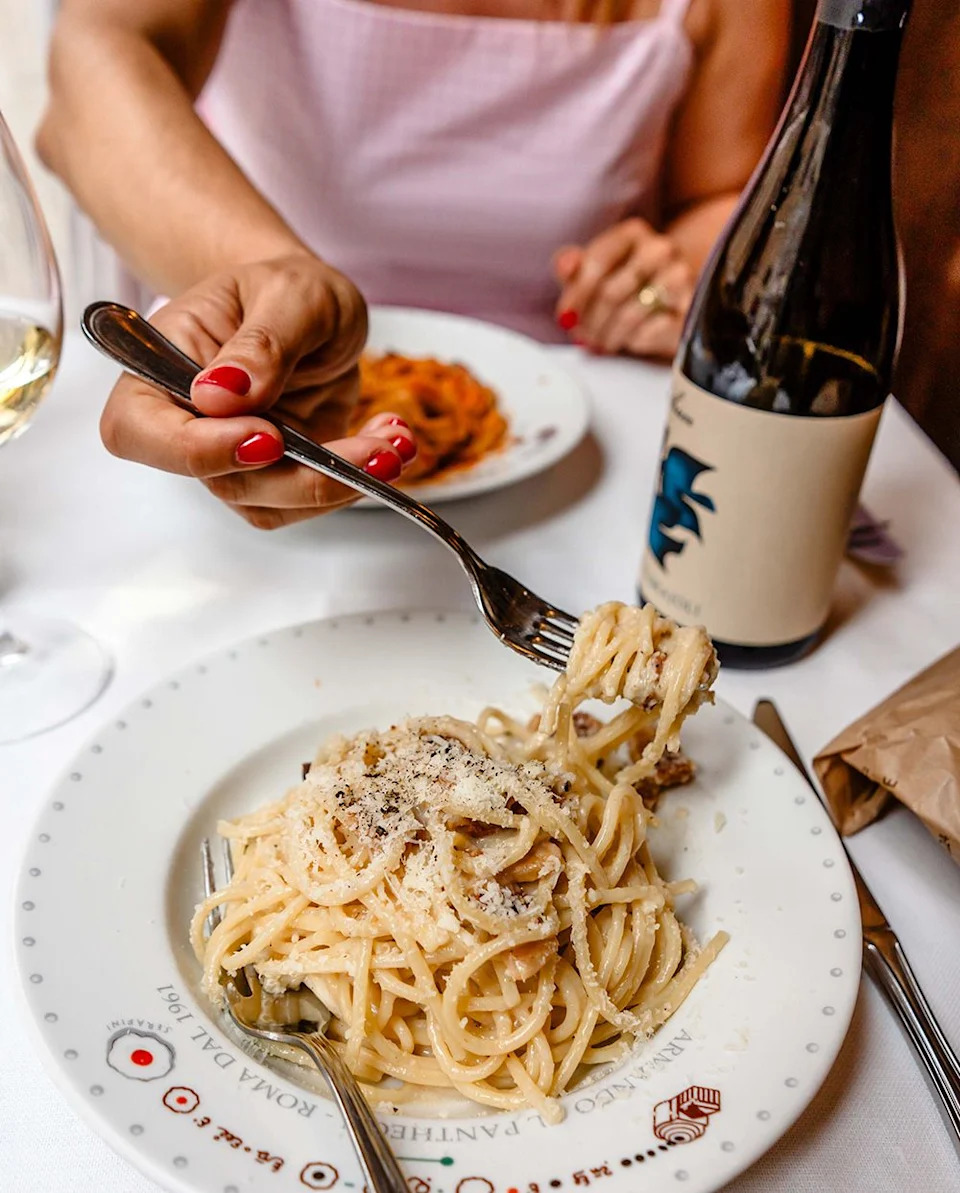
“It’s unctuous without being really heavy. And it’s the palette upon which amatriciana and carbonara were developed,” Katie Parla says of spaghetti alla gricia.
Spaghetti with Black Pepper, Guanciale and Pecorino
Serves: 4 to 6
8 oz (227 g) guanciale, cut into 3/4-inch (2-cm) cubes
Sea salt
1 lb (454 g) spaghetti
1 1/2 tsp freshly ground Sarawak black pepper, plus more for serving
1 cup finely grated Pecorino Romano
Step 1
Heat the guanciale in a large pan over medium-low heat. Cook, stirring occasionally, until golden brown and crisp, about 10 minutes. Remove from the heat and set aside to cool.
Step 2
While the guanciale cooks, bring a large pot of water to a rolling boil over high heat. Add salt until the water tastes like a seasoned soup. Add the pasta and cook until very al dente.
Step 3
Add 1/2 cup of the pasta cooking water to the pan with the cooled guanciale. Use tongs to transfer the pasta to the pan and set it over high heat. Cook, mixing vigorously, until the pasta is al dente. Add more pasta cooking water as needed to keep the sauce silky and not dry.
Step 4
Remove from the heat and stir in the pepper and 3/4 cup of the Pecorino Romano. Serve immediately with the remaining Pecorino Romano and additional pepper freshly ground on top.
PIZZA EBRAICA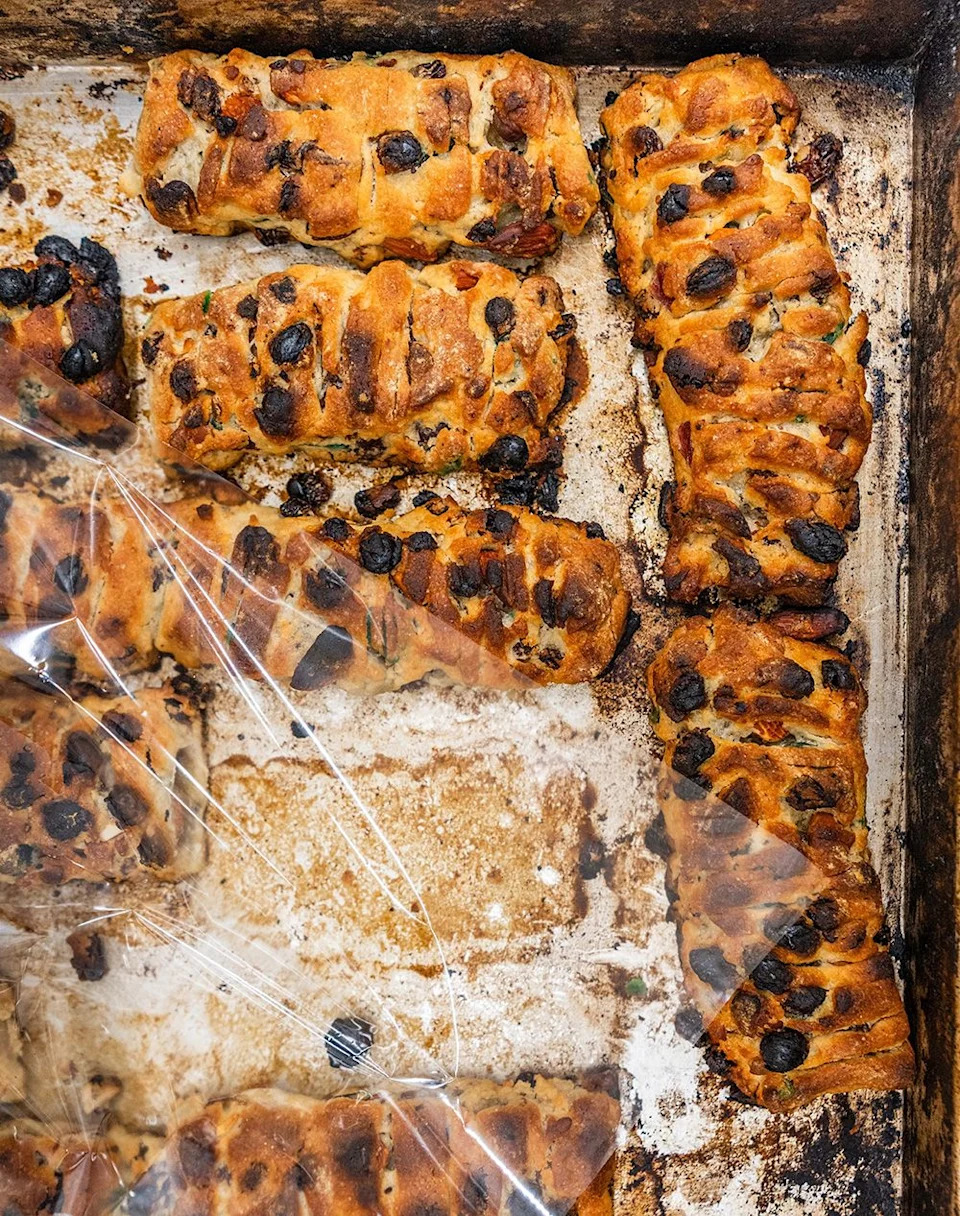
“It reminds us that Roman Jewish cuisine and Roman Jewish culture are also indebted to Sephardic exiles from the Spanish Dominion who brought their pine nuts, raisins, candied fruit and those combinations that were absorbed into the local Roman cuisine during the Ghetto period,” Katie Parla says of pizza ebraica.
Jewish Fruitcake with Pine Nuts, Raisins and Candied Fruit
Makes: 8 pizze
1 1/4 cups raisins
1/4 cup sweet white wine
2 1/2 cups all-purpose flour
1 cup sugar
1 tsp ground cinnamon
1 tsp baking powder
1 tsp sea salt
Grated zest of 1 lemon
1 1/2 cups whole almonds, toasted
2/3 cup pine nuts, toasted (see Tip)
1 1/2 cups candied citron, chopped
1/4 cup extra virgin olive oil
4 large eggs
Step 1
Preheat the oven to 350F (177C). Line a baking sheet with parchment paper.
Step 2
Soak the raisins in the wine until plump, 15 to 20 minutes.
Step 3
Combine the flour, sugar, cinnamon, baking powder, salt and lemon zest in a large bowl. Add the almonds, pine nuts, candied citron and the raisins with their liquid. Toss to coat everything evenly in the dry ingredients.
Step 4
Whisk the olive oil and eggs in a small bowl. Pour it over the dry mixture and stir with a wooden spoon or your hands until a thick, sticky dough forms. It will be dense and rough — go with it.
Step 5
Transfer the dough to the prepared baking sheet and, with wet hands, shape it into a squat, rectangular loaf about 3/4 inches (2 cm) thick. Deeply score the dough in half, then cut three intersecting incisions to make eight bars total. Don’t try to cut all the way through — the almonds will run defense. The dough won’t spread much, but don’t worry about making it even. Rustic is the goal.
Step 6
Bake until the top is deep golden brown, 35 to 45 minutes.
Step 7
Let cool completely before slicing with a serrated knife. Pizza ebraica will keep in a sealed container at room temperature for 1 week.
Tip: Heat a dry pan over medium heat, add the pine nuts in a single layer and toast them, stirring frequently, until fragrant and golden, 3 to 5 minutes.
Recipes and images excerpted from Rome: A Culinary History, Cookbook, and Field Guide to the Flavors that Built a City by Katie Parla. Published by Parla Publishing.
Our website is the place for the latest breaking news, exclusive scoops, longreads and provocative commentary. Please bookmark nationalpost.com and sign up for our cookbook and recipe newsletter, Cook This, here.
Dining and Cooking