
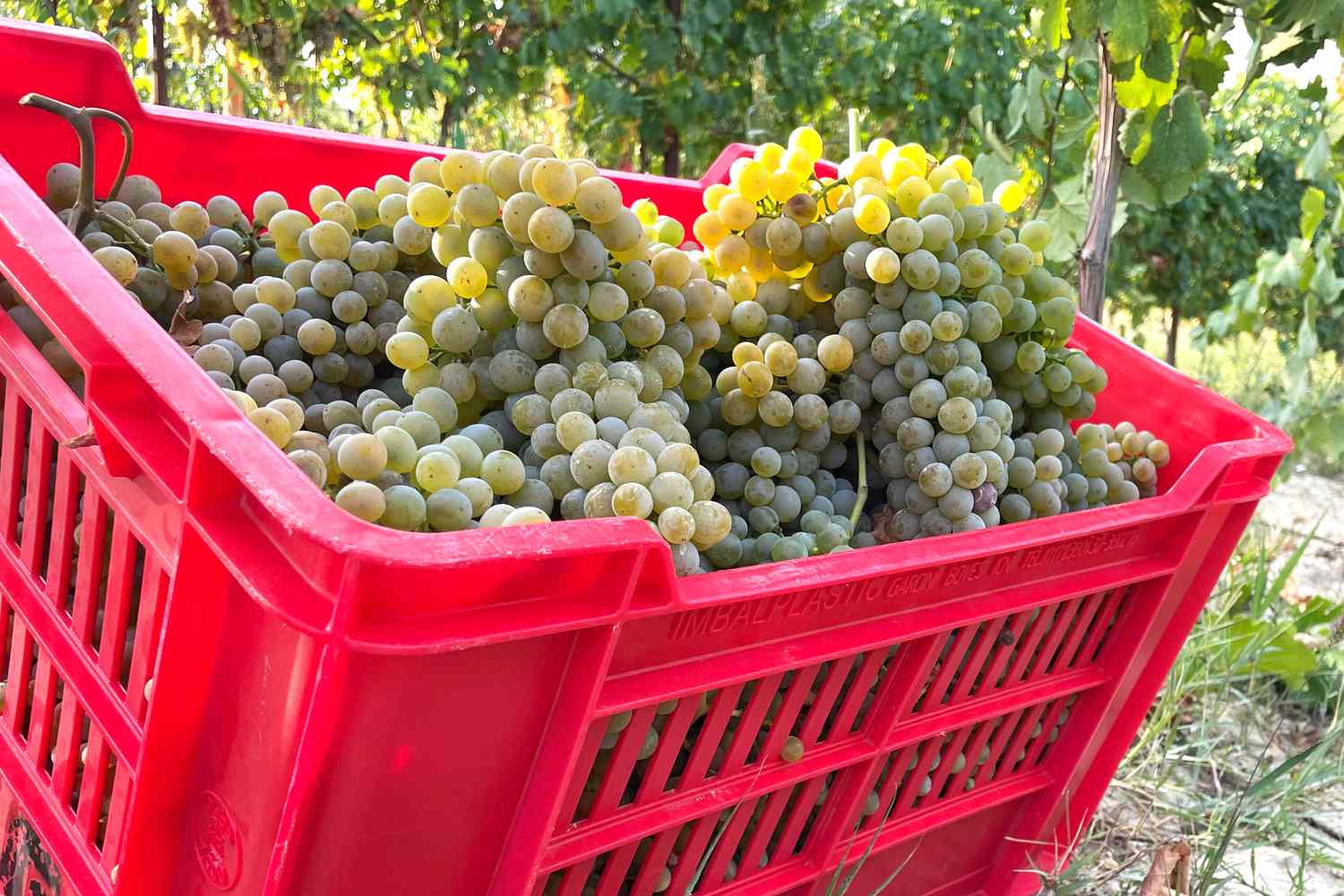
The Roero Denominazione di Origine Controllata e Garantita (DOCG) appellation sits in the heart of Piedmont, the iconic wine-producing region in northwestern Italy. The region has earned a strong reputation for powerful, noble red wines, most notably the majestic and often pricey Barolo and Barbaresco, made from the Nebbiolo grape. It’s also where you can find an abundance of hazelnuts, Madernassa pears, honey, and black and white truffles.
While a handful of other grape varieties are planted in the region, the soul of Roero is swathed in both red and white. It’s known for robust red wines made from Nebbiolo, as you might expect. But it also boasts versatile white wines from the Arneis grape, a standout in this red-dominant area.
Roero offers a diverse landscape with steep, rolling hills and plush vineyards. With unique geological formations, magnificent castles, and picturesque villages, the appellation is a part of the UNESCO World Heritage site of Vineyard Landscape of Piedmont: Langhe-Roero and Monferrato.
This combination of natural beauty, rich heritage and approachable, food-friendly wines makes it a destination that attracts world travelers and wine lovers alike.
Courtesy of Consorzio Tutela del Roero for Sip and Savor: Pairing European Wines and Deli meats, EU funded campaign
What is Roero wine?
Produced in a range of styles, Roero wine comes from the Nebbiolo and Arneis grape varieties. However, the overwhelming majority of Roero wines are made from Arneis. It’s just one of the ways Roero stands apart from other wine-producing appellations in Piedmont.
Arneis dates to the 15th century. After a long period in decline, the grape has enjoyed a recent resurgence. The white grape ripens more easily than Nebbiolo, and it can be planted in vineyards that face any direction.
Roero Arneis must be a minimum of 95% Arneis, but most producers exclusively use the variety in their bottlings. To keep its natural vibrancy and freshness, many winemakers age Arneis solely in steel tanks. Others choose some wood aging, which gives the wine additional texture, complexity, and more aging potential.
For Roero Rosso, the Nebbiolo grape is king. Regulations call for a minimum of 95% Nebbiolo in the appellation’s wine. Typically, Roero Rosso is not as tannic as Barolo or Barbaresco, the revered wines made from the same grape. By contrast, the wines are often softer and more approachable.
Courtesy of Consorzio Tutela del Roero for Sip and Savor: Pairing European Wines and Deli meats, EU funded campaign
Where does Roero wine come from?
Roero is located in the Cuneo province of Piedmont, just north of the city of Alba. A hidden gem of sorts, Roero is separated from the Langhe and Monferrato wine regions by the Tanaro River. Located on its left bank, the historic wine region is mere miles from the appellations of Barolo and Barbaresco, which sit on the right bank.
Its origins date to an ancient seabed, and its soils, predominantly marl-sandstone, give its white wines a distinct, unique minerality and also help cultivate less tannic reds. Influenced by the Alps, its Mediterranean climate offers hot summers and cold winters.
Throughout the year, the Roero experiences moderate rainfall, with more precipitation occurring during spring and fall. Most of the vineyards are located on slopes that provide excellent drainage and exposure to the sun.
Monica & Daniela Tibaldi.
Courtesy of Consorzio Tutela del Roero for Sip and Savor: Pairing European Wines and Deli meats, EU funded campaign
Why should you drink Roero wine?
While some of the most complex wines in the world hail from the subregions in Piedmont, the region is better known for its pricier, blue-chip wines. Produced with the same bold, renowned grape as Barolo, Roero Rosso DOCG wines are elegant, structured, food-friendly, and generally less expensive, which makes them a great value.
Known for aromatic elegance and minerality, Roero Arneis DOCG is fresh and food-friendly, a fantastic example of a world-class Italian white wine.
Giulia and Stefano Occhetti.
Courtesy of Consorzio Tutela del Roero for Sip and Savor: Pairing European Wines and Deli meats, EU funded campaign
What does Roero wine taste like?
Roero Arneis shines with aromatic vibrancy. It has a bright, straw-yellow color. On the nose, it boasts aromas of white flowers, green apple, herbs and light mineral notes. On the palate, it’s dry and fresh, with a lively acidity.
Roero Rosso can stand up to the other great Piedmont reds, but with a softer, fresher style. The red wines typically offer ripe red fruit, sweet spice, and balsamic scents on the nose. On the palate, it’s structured by silky tannins and a lively freshness that helps its longevity.
Courtesy of Cordero Winery
Five great Roero wines to try
There are many excellent and approachable Roero wines. They’re a perfect way to explore all that Roero has to offer.
Food & Wine / Cascina Chicco
Cascina Chicco Roero Arneis Anterisio
This family-run winery has vineyards throughout Piedmont focused on sustainability. Its Arneis is fermented in extremely cold tanks to assure vibrant acidity and freshness.
Food & Wine / Courtesy of Cordero Winery
Gabriele Cordero Roero Rosso
From a family-run farm founded in 2016, this Nebbiolo is hand-harvested and matured for 18 months in second-fill barrique before release. It’s a well-structured, pleasantly fruit-forward sip of balance and finesse.
Food & Wine / Vigna S. Pietro
Stefanino Morra Roero Arneis Vigneto San Pietro
This wine is made from grapes from the San Pietro vineyard on the edge of Castellinaldo, which has excellent exposure and a mix of sandy and chalky soil. It’s fermented in large oak casks for nine months with bâtonnage, followed by aging for three months in bottle before release.
Food & Wine / Courtesy of Stefano Occhetti
Stefano Occhetti Roero Rosso Sanche
This winery was founded in 2019 by a husband and wife who left engineering careers to craft magic among the vines. The Sanche bottling is made with Nebbiolo from a 75-year-old single vineyard and aged in oak for 16 months before release. It’s a fantastic study in single-site expression, with precise fruit and mineral tones wrapped in silky tannins and lingering texture.
Food & Wine / Courtesy of Consorzio Tutela del Roero for Sip and Savor: Pairing European Wines and Deli meats, EU funded campaign
Tibaldi Roero Arneis
From a winery started by two sisters, this wine is produced from hand-harvested vines from three vineyards located in the municipalities of Pocapaglia and Santa Vittoria d’Alba. Fresh and energetic, yet with a subtle depth of texture, it’s fermented in steel tanks with its lees for several months before bottling.
Dining and Cooking