
Newsletter
Sed ut perspiciatis unde.
Subscribe
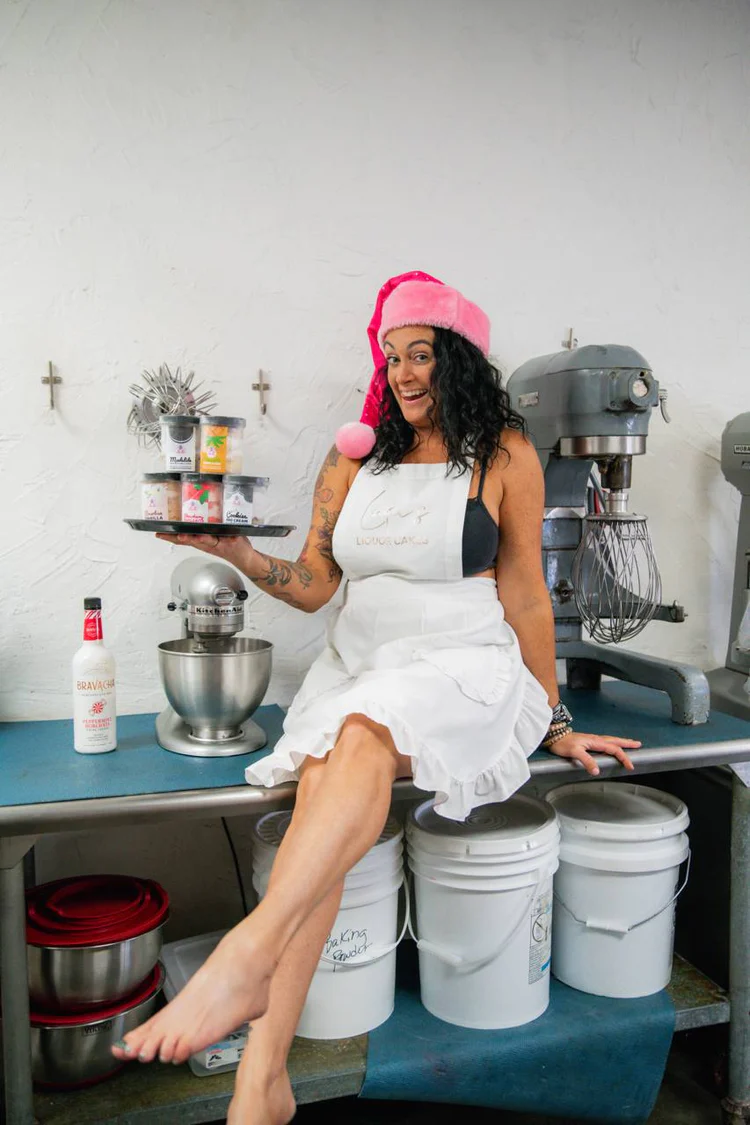
Alright – so today we’ve got the honor of introducing you to Laura LaRue. We think you’ll enjoy our conversation, we’ve shared it below.
Hi Laura, thanks for joining us today. Folks often look at a successful business and imagine it was an overnight success, but from what we’ve seen this is often far from the truth. We’d love to hear your scaling up story – walk us through how you grew over time – what were some of the big things you had to do to grow and what was that scaling up journey like?
From the outside, it can look like Lulu Liquor Cakes exploded overnight. In reality, the growth happened in small, imperfect, sometimes accidental steps—with plenty of risk, mistakes, and pivots along the way.
My scaling journey didn’t start with a business plan, investors, or a viral moment. It started with a single post on Facebook Marketplace.
I listed a small batch of liquor cake jars—just a handful, made in my kitchen—to see if anyone would even be interested. That first sale told me something important: people were willing to buy. But at that point, scaling wasn’t about growth; it was about survival and experimentation. I was doing tiny runs, testing ideas, and trying to create small streams of income wherever I could.
One of those side experiments ended up becoming my first real turning point.
I had posted chocolate stiletto heels (yes—edible ones) on Facebook Marketplace. A friend saw the post and reached out. She was hosting a ticketed red-carpet shoe event where attendees competed in different shoe categories. She already had a cake vendor but asked if I could create a chocolate stiletto with her logo instead. In exchange, she offered me a vendor table—no fee.
That single decision moved me from online selling to in-person exposure.
I brought 100 liquor cake jars to that event and sold nearly all of them. More importantly, people talked. Word of mouth spread fast, and suddenly demand wasn’t coming from a post—it was coming from people telling people.
Then COVID hit.
Like many small businesses, we had to pivot quickly. Events disappeared overnight, so we launched a small food truck and began setting up in neighborhoods. That phase taught me how to operate lean, adapt fast, and meet customers where they were. As restrictions eased, we transitioned into pop-ups and events again, which pushed demand even higher.
At that point, I had to make one of the hardest decisions of my life: quit my job.
Demand was outpacing what I could handle nights and weekends. Scaling meant risk. I went all in, which led quickly to purchasing a building and opening our first storefront. That step came with new challenges—overhead, staffing, systems—but it also legitimized the brand and unlocked another level of growth.
But the biggest acceleration came from something I never planned.
My daughter was running our social media at the time. She followed a TikTok influencer who had recently lost her son to violence. As a mother of five, my heart broke for her. I told my daughter we should send her some cake jars and a handwritten note—no expectations, no ask, just compassion.
A couple weeks later, my phone started exploding with orders.
I panicked. Just a month earlier, our website had been hacked, costing us significant money. I thought it was happening again. I texted my daughter frantically—she was in a movie theater. When she called me back, she said, “Mom…she posted the cakes.”
That moment changed everything.
Going viral wasn’t glamorous—it was chaos. We had to scramble, fulfill orders, fix systems, and figure things out in real time. But it taught me the true power of social media and authentic influencer relationships.
From there, I doubled down. I spent countless hours researching influencers who felt aligned with our brand—fun, real, and experience-driven. Sometimes I reached out. Sometimes I sent cakes blindly. Not every effort worked, but enough did to fuel sustainable growth.
Eventually, influencer momentum allowed us to hire a marketing team to run ads and email campaigns—something we couldn’t responsibly afford before. Today, growth is a mix of organic social presence, influencer relationships, paid advertising, and customer-generated content. Our customers now do a lot of the storytelling for us, sharing their experiences and spreading the brand in ways no ad ever could.
The biggest lesson from scaling hasn’t been about going bigger faster—it’s been about stacking small wins, staying adaptable, and being willing to say yes before you feel ready.
There was no overnight success—just years of showing up, learning the hard way, and building brick by brick until momentum finally caught.
And honestly? We’re still building.
Awesome – so before we get into the rest of our questions, can you briefly introduce yourself to our readers.
I’m Laura LaRue, the founder of Lulu Liquor Cakes. I’m a mother of five, an entrepreneur by necessity, and someone who believes deeply in creating moments of joy—especially on hard days.
Lulu Liquor Cakes didn’t start because I wanted to be in the food industry. It started because I wanted to create something that made people feel good. Something indulgent, playful, and comforting—something that felt like a small escape from the stress and heaviness of everyday life.
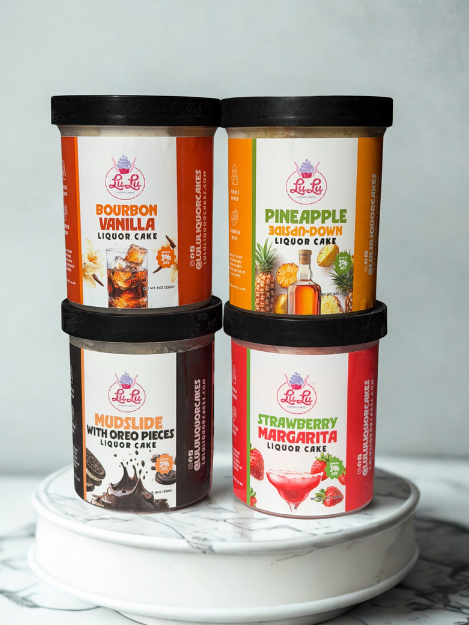
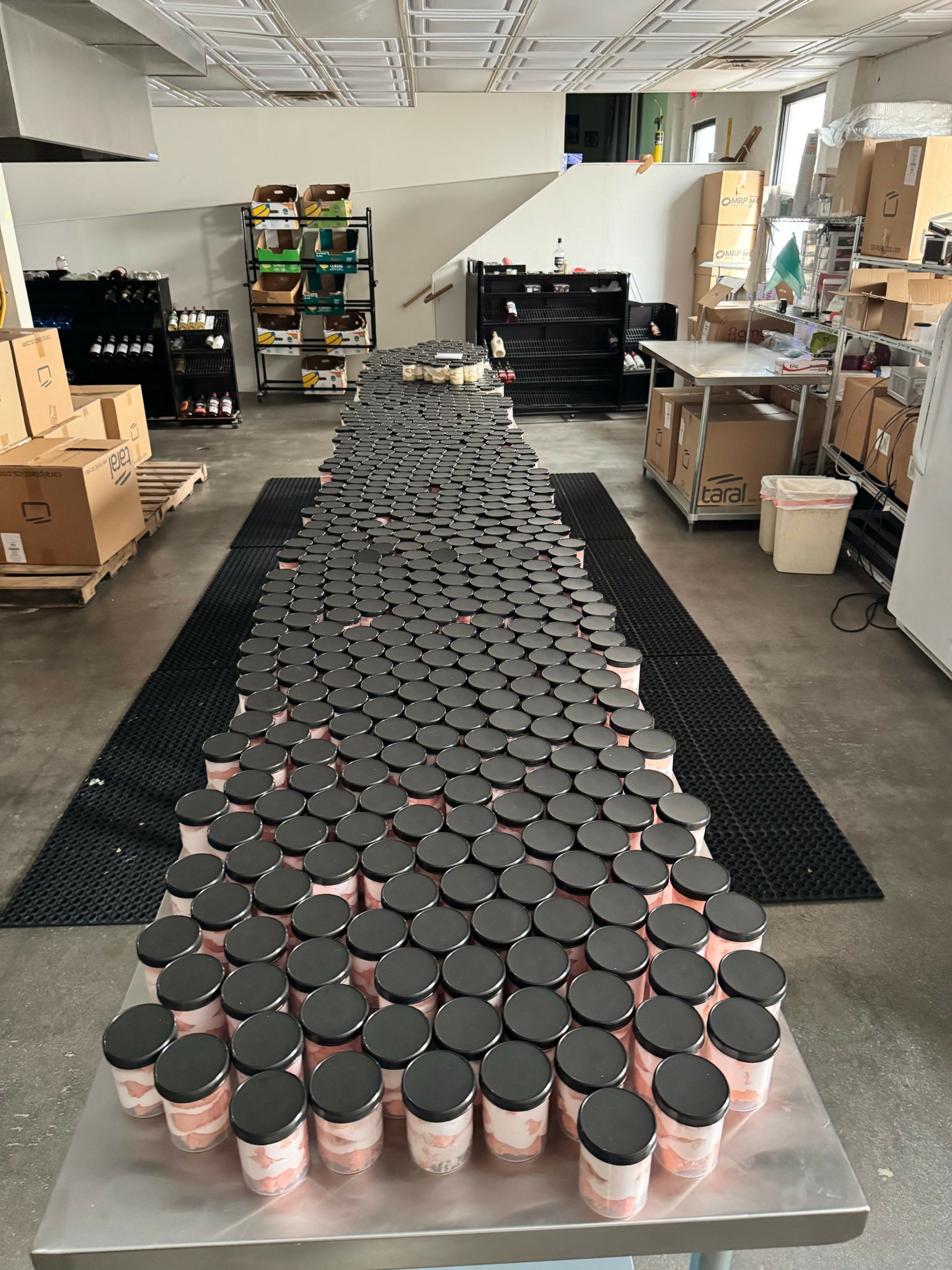
Our signature product is an 8-ounce liquor-infused cake jar, made from scratch with real ingredients and finished with Italian buttercream frosting. Each jar contains 3% ABV and is designed to be shared—or not. We sell nationwide and also partner with specialty retailers who align with our brand. While alcohol-infused desserts aren’t new, what sets us apart is that our cakes are experience-driven, not novelty-driven. We don’t sell “getting drunk in a jar.” We sell indulgence, laughter, connection, and moments worth savoring.
What we really solve for our customers is this: we give adults permission to enjoy something just for themselves. Our customers are busy parents, hardworking professionals, people going through loss, celebration, burnout, or joy. Lulu Liquor Cakes shows up as a gift, a pick-me-up, a dessert at the end of a long day, or a way to say, “I’m thinking of you.”
The brand is intentionally human. We show the messy middle. We answer our own customer service emails. We tell real stories. We celebrate wins and we’re honest about challenges. That authenticity is what our community connects to—and it’s why our customers don’t just buy once; they come back and bring their friends.
What I’m most proud of isn’t the revenue or the viral moments (though those mattered). I’m most proud that Lulu Liquor Cakes has become a brand people trust emotionally. We’ve been sent to grieving parents, deployed soldiers, cancer patients, new moms, and friends who just needed a laugh. That responsibility is something we take very seriously.
I want people to know that behind this brand is a real woman, a real family, and a whole lot of heart. Everything we make is intentional. Everything we send out carries our name—and we treat it that way.
Lulu Liquor Cakes is proof that you don’t need perfection, permission, or a polished plan to build something meaningful. You need grit, compassion, and the courage to start small—and keep going.
Has your business ever had a near-death moment? Would you mind sharing the story?
A couple of years ago, we came terrifyingly close to shutting our doors.
From the outside, it looked like the business was thriving. We had gone viral, sales were climbing, and demand was higher than ever. Internally, though, we were quietly unraveling.
After going viral, I hired a business consultant who also handled marketing. I put too much trust in one person and one team—classic “don’t put all your eggs in one basket.” I followed his advice closely, including using a bookkeeper he recommended. On the surface, everything looked fine. Revenue was increasing. Facebook ads were running. I assumed things were under control.
They weren’t.
What I didn’t understand at the time—and this was a critical mistake—was that busy does not equal profitable. I was ordering supplies based on sales volume, not realizing that nearly 60% of our revenue was being spent on ad spend alone. When I started noticing money draining rapidly from our bank account and raised concerns, I was repeatedly told, “Don’t worry—we’ll look into it.”
Meanwhile, I had no direct access to our ad accounts and didn’t yet know how to verify spending myself. When I requested transparency, I was sent spreadsheets showing ad performance—but later discovered those spreadsheets had been manually created with false data. They made it look like we were performing extremely well, when in reality, revenue was being driven at any cost—because the consultant’s compensation was tied to a percentage of revenue, not profitability.
By the time the truth surfaced, we were in crisis.
We had lost a significant amount of money and were suddenly unable to comfortably cover payroll, vendors, and operating expenses. I had to max out personal credit cards just to keep the business alive. Our bookkeeper—who ultimately helped uncover the issue—had to micromanage the books daily so we could survive week to week.
We did make it through. But the damage was deep.
Then came the next blow.
Shortly after we stabilized, that same bookkeeper quit without notice. When we brought in a new bookkeeper, we discovered that critical responsibilities hadn’t been handled at all—most notably state tax filings across multiple states, despite us shipping nationwide. We were suddenly behind in multiple jurisdictions, facing another wave of stress and cleanup we didn’t even know was coming.
It felt like one disaster after another.
What I learned from those near-death moments is something I now say to every entrepreneur I meet: you don’t have to do everything—but you do have to understand everything. Trust is important, but verification is non-negotiable. No matter how busy you are or how well things appear to be going, you must know how to read your numbers, access your accounts, and spot red flags.
Those experiences almost cost us everything—but they also made me a stronger, smarter business owner. Today, we operate with far more transparency, tighter controls, and a much deeper understanding of our financial health.
Surviving those moments didn’t just save the business—it changed how I lead it.
We’d really appreciate if you could talk to us about how you figured out the manufacturing process.
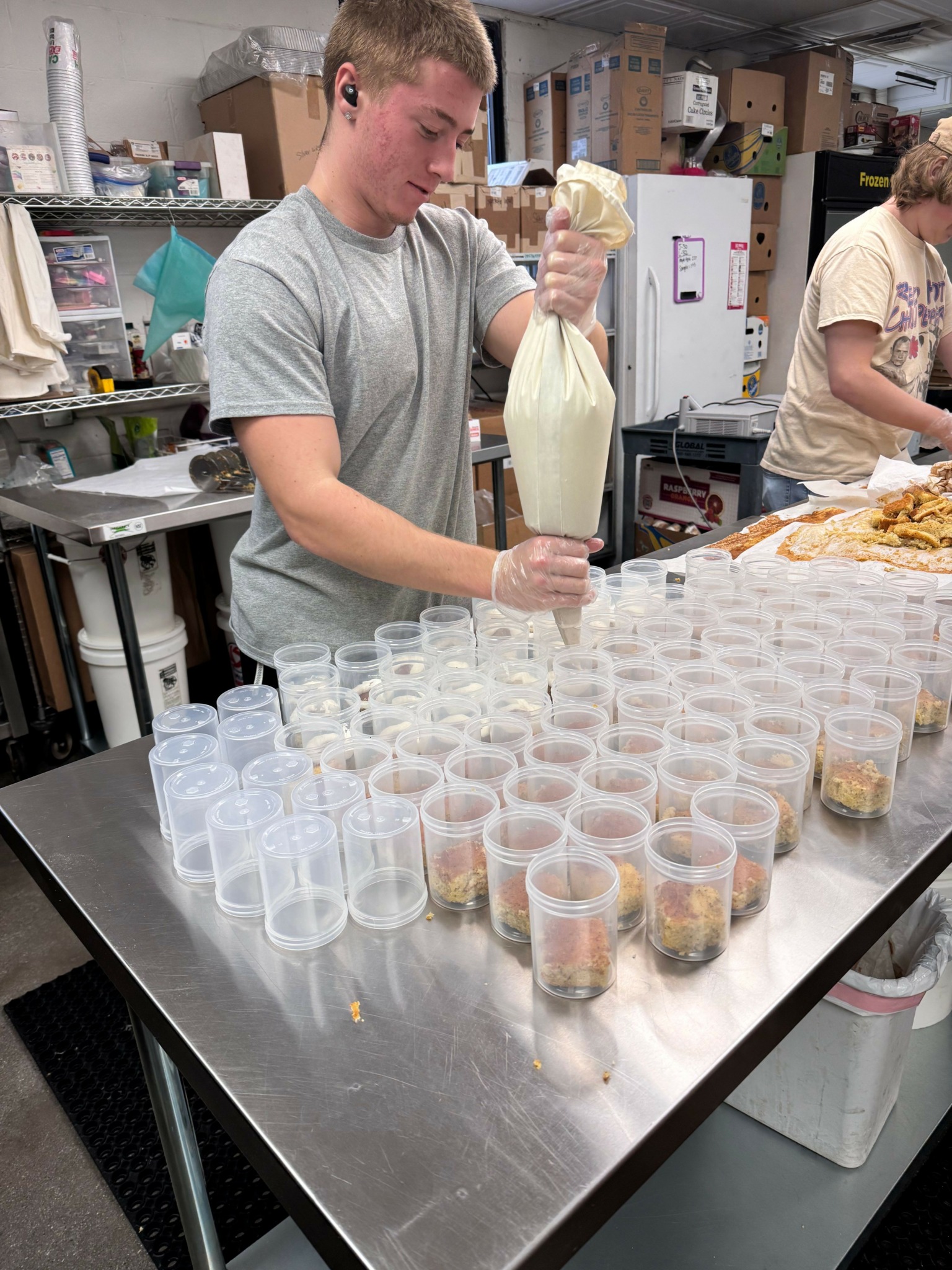
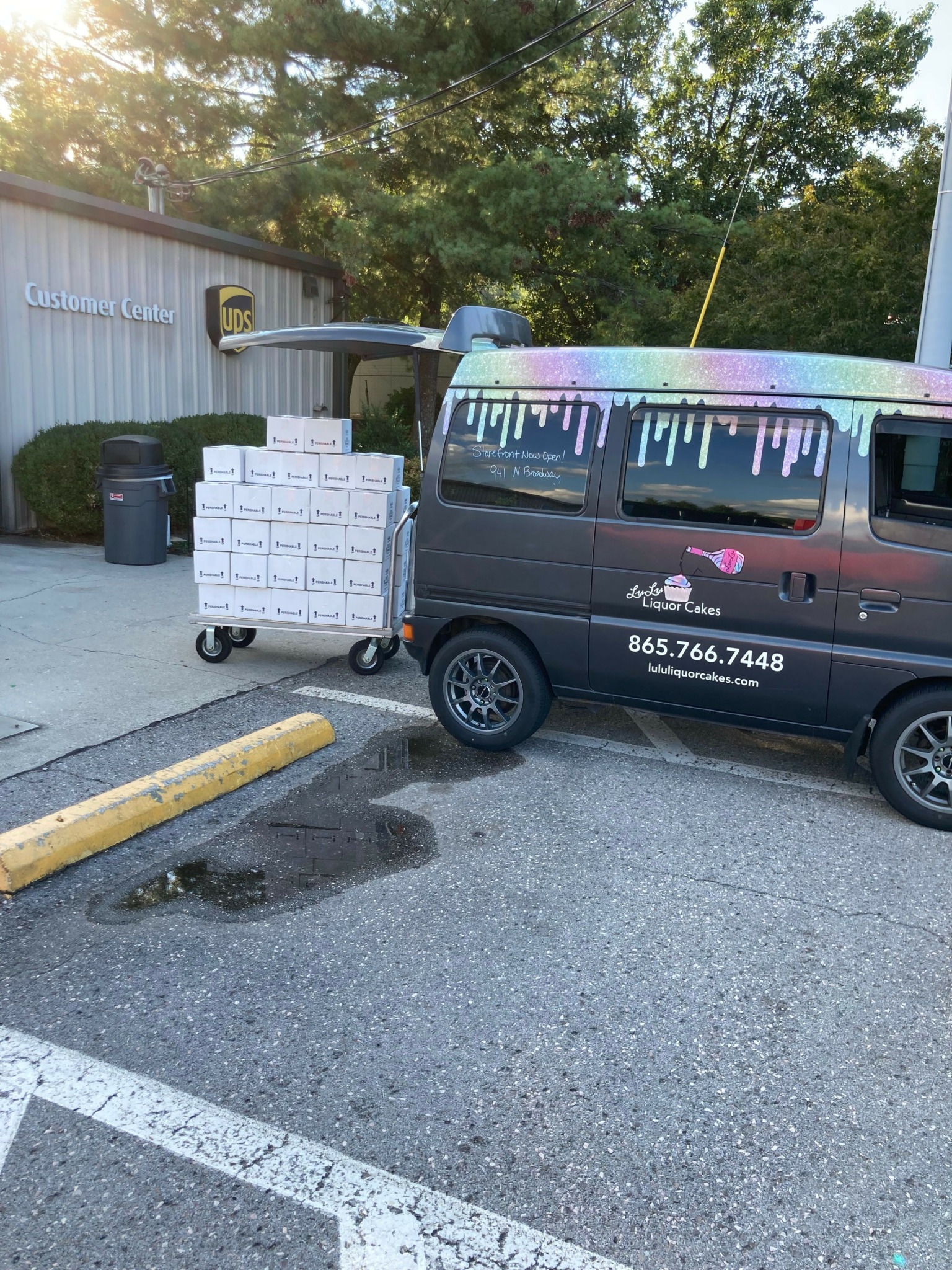
Yes—we manufacture everything ourselves and handle all fulfillment and distribution in-house. From baking to packaging to shipping, every step happens under our roof. That decision wasn’t just about control; it was about quality, consistency, and learning the business at a level that allows us to grow responsibly.
When I started, I didn’t have a manufacturing background. I had a vision, a willingness to experiment, and a very strong desire to get the product right. The early days were pure trial and error—developing the recipe, testing alcohol infusion levels, and deciding what “quality” truly meant for our brand. Once I landed on the base recipe, that became the foundation everything else was built on.
The manufacturing process has evolved constantly—because it had to.
I started by baking cakes at home and cutting small round pieces to fit into jars. That worked… until it didn’t. As volume increased, I realized cupcakes were faster. Then I realized cupcakes weren’t practical at scale. That led to sheet pans, which led to experimenting with cutting methods. We had custom cutters welded together just to save seconds per jar—because at volume, seconds matter.
Every stage of growth exposed a new bottleneck.
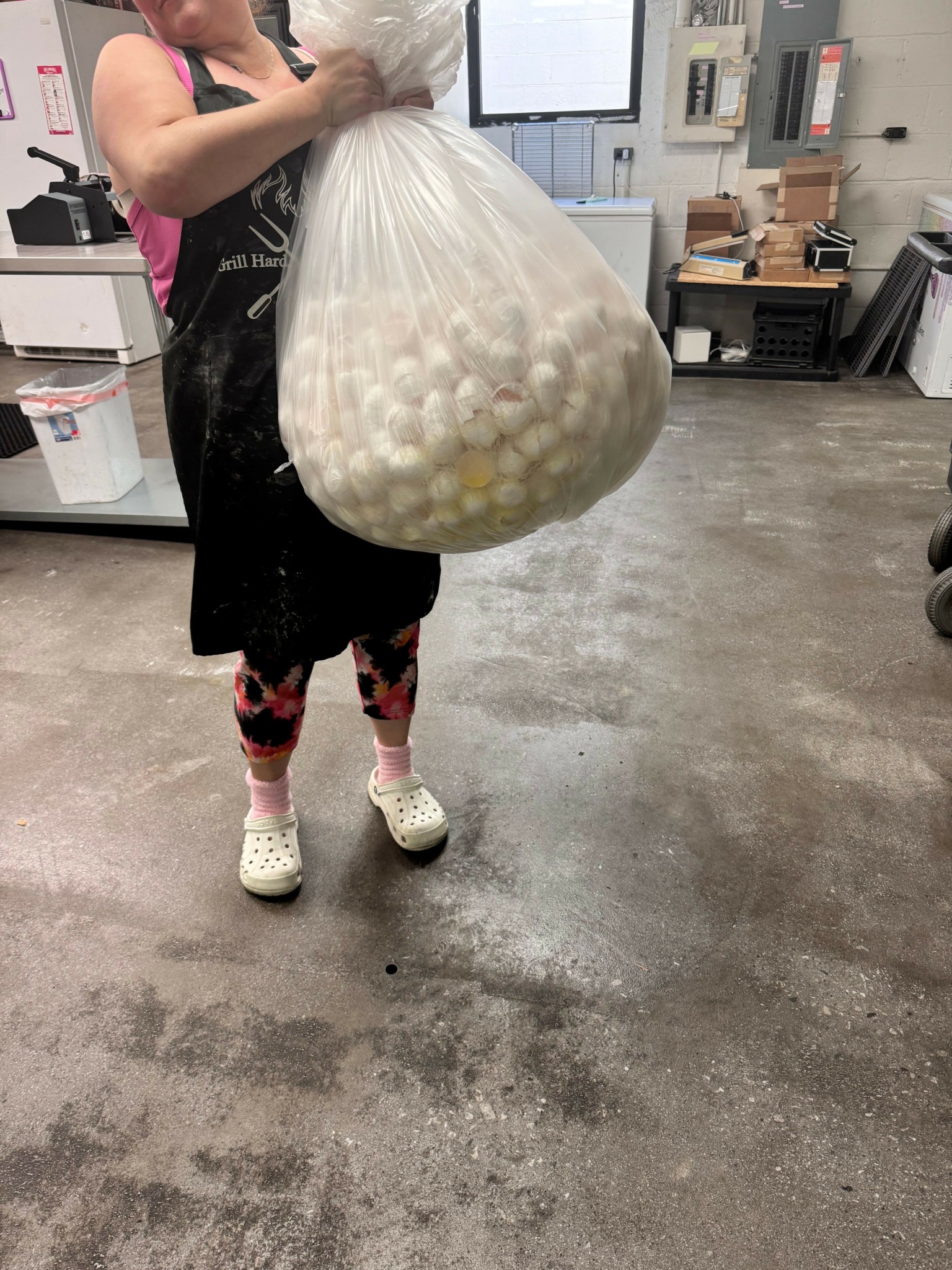
We went from cracking eggs by hand to investing in a $10,000 egg-cracking machine that also separates egg whites—critical because we use Italian buttercream and only need whites. We’ve just made another major investment and are currently waiting on new equipment that will pipe frosting directly into jars to improve speed and consistency.
Consistency, in fact, has been one of the biggest challenges as we’ve scaled. We’ve transitioned from glass jars to plastic jars. We’ve refined shipping methods—from expensive Styrofoam coolers to custom insulated liners. We’ve evolved labeling multiple times: from single labels, to multi-label systems, to a single wraparound label—and eventually to having labels applied before jars even arrive to us, freeing our team to focus on baking and assembly instead of labor-heavy steps.
None of this happened all at once.
Manufacturing growth happens in stages, and that’s one of the most important lessons I’ve learned. You can’t afford every solution at the beginning—and you shouldn’t try to. Each improvement is earned through growth, awareness, and the willingness to pivot when something stops working.
I’ve genuinely loved the manufacturing side of the business. My husband and I make a great team—he’s especially skilled at identifying where we can touch the product less, streamline steps, and protect margins. Our team is encouraged to make suggestions, test ideas, time processes, and speak up. If something doesn’t work, we learn from it and move on.
The biggest lesson I’ve learned is this: manufacturing is never “done.” Just when you think you’ve nailed it, growth demands another evolution. The key is staying open, adaptable, and realistic—understanding that efficiency comes from iteration, not perfection.
For small businesses especially, manufacturing isn’t about having the best system on day one. It’s about building the right next system—one step at a time.
Contact Info:
Suggest a Story: CanvasRebel is built on recommendations from the community; it’s how we uncover hidden gems, so if you or someone you know deserves recognition please let us know here.
Dining and Cooking