
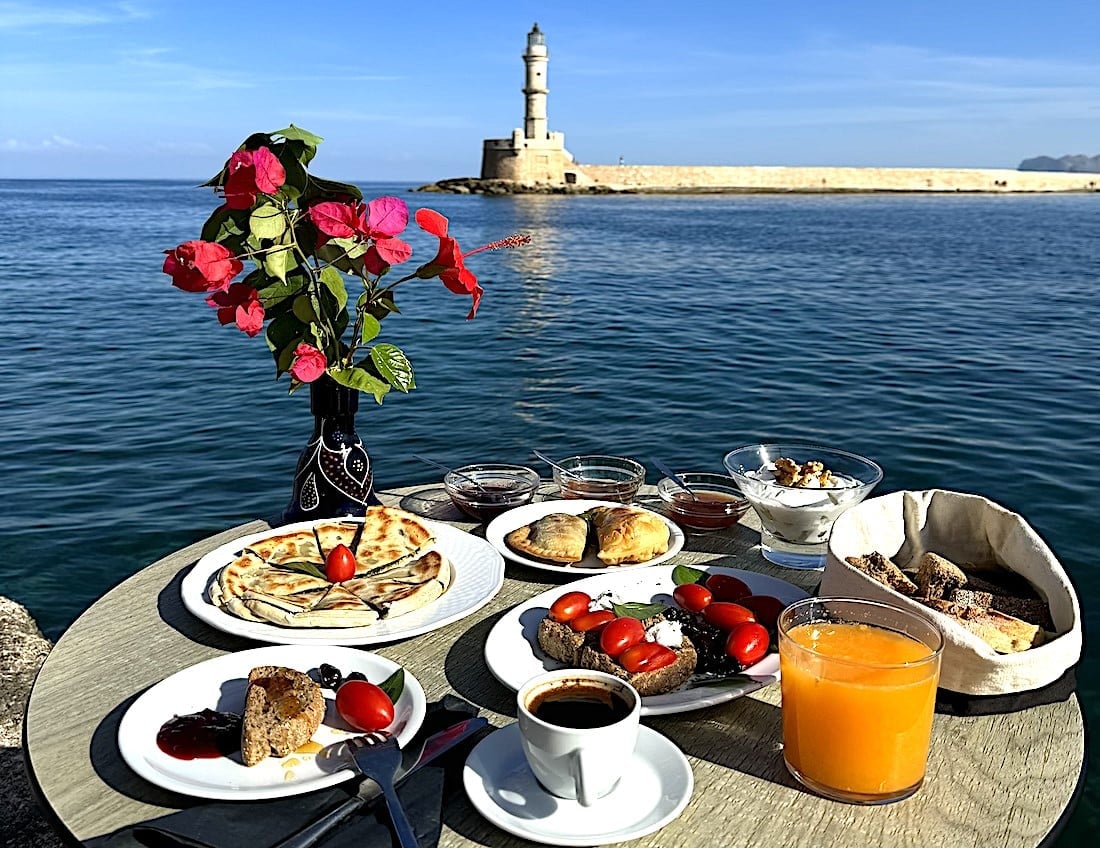
 Researchers analyzed data from 105,614 women with an average age of 53 and no prior history of stroke. Credit: Greek Reporter
A landmark study involving more than 100,000 women has found that adhering to a Mediterranean-style diet significantly reduces the risk of all types of stroke, including a striking 25% reduction in the risk of hemorrhagic strokes.
The research, published in the American Academy of Neurology’s journal Neurology Open Access, is one of the most comprehensive investigations into how dietary patterns affect specific stroke subtypes in women. While the Mediterranean diet—rich in olive oil, fruits, vegetables, and whole grains—has long been praised for its heart-protective effects, this study provides new evidence of its protective effects against brain bleeding.
Mediterranean diet study methodology
Researchers analyzed data from 105,614 women with an average age of 53 and no prior history of stroke. At the start of the study, participants completed detailed food frequency questionnaires. They were assigned a “Mediterranean Diet Score” (0–9) based on their intake of:
High consumption: Fruits, vegetables, legumes, whole grains, fish, and olive oil
Moderate consumption: Alcohol
Low consumption: Red meat and dairy products
Compelling results
Over an average follow-up period of 21 years, the researchers adjusted for lifestyle factors such as smoking, physical activity, and hypertension. The findings revealed that women with the highest adherence to the diet experienced:
An 18% lower risk of total stroke
A 16% lower risk of ischemic stroke (caused by blood clots)
A 25% lower risk of hemorrhagic stroke (caused by brain bleeds)
“Our findings support the mounting evidence that a healthy diet is critical to stroke prevention,” said study author Sophia S. Wang, PhD, of City of Hope Comprehensive Cancer Center. “We were especially interested to see that this applies to hemorrhagic stroke, as few large studies have looked at this more severe subtype.”
While the study demonstrates a strong association, researchers noted it does not definitively prove cause and effect. Limitations include the fact that dietary habits were self-reported and the cohort consisted exclusively of women.
Experts suggest further research is needed to understand the biological mechanisms—such as improved vascular health and reduced inflammation—that drive these protective effects.
Related: Greek-Italian Cuisine Fusion Led to the Mediterranean Diet
Dining and Cooking