
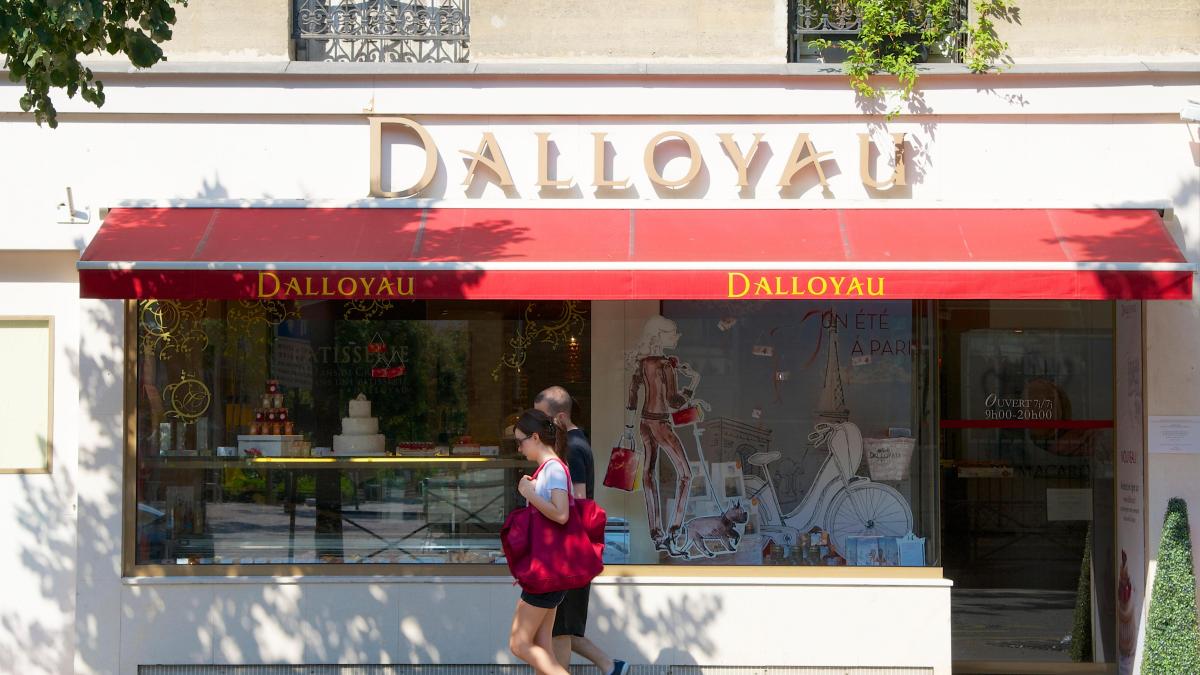
In 1682 Louis XIV, the Sun King, ate a bun so tasty he promptly employed the cook, Charles Dalloyau, as his official dish bearer.
Four generations of Dalloyau’s heirs stayed in royal service until the French Revolution brought an end to the monarchy — and the family’s jobs. The Dalloyaus went private and started a luxury catering business that served the most refined dishes to affluent French families.
This week the business was sold after teetering on the edge of bankruptcy.
The Dalloyau firm is said to have provided France’s first takeaway meals in 1802 and is also credited with inventing the legendary opera cake in 1955, but it saw its annual revenue drop from €72 million in 2013 to €11 million a decade later.
The decline coincides with a growing reluctance among young French people to support traditional caterers that charge €10,000 or more for a wedding reception.
Bernard Boutboul, chairman of Gira Conseil, the food consultancy, said a new generation of consumers were opting for do-it-yourself receptions instead. He said: “Young people today no longer want to go to these luxury caterers to organise their receptions because they are horribly expensive. They prefer to find a chef to make the meals and to get the wine and the cheese themselves. It’s easy to do on the internet. Sometimes they even tidy up and put everything away themselves as well.”

Dalloyau still has several locations in the Paris regions where visitors can enjoy their famous sweet treats
ALAMY
Dalloyau is still listed by France’s national tourism agency as one of eight “iconic names of French gastronomy to discover or to rediscover”.
It is by no means the only one on the list to have lost its lustre. Hédiard, the caterer famous for its candied fruit jellies, has shut its flagship boutique in central Paris, which was opened in 1870, with the premises due to become a computer shop.
Fauchon, another celebrated caterer on the list, which offers such dishes as truffle puree, and foie gras with ginger, coriander, cumin, pepper, fenugreek, cinnamon, cardamon, tarragon, wild garlic and rose petals, was bought this year by a Breton biscuit maker after finding itself in financial trouble.
Le Figaro said Parisian luxury caterers seemed to have been hit by a “curse”, adding: “Despite their fame, the houses of French gastronomy are incapable of adapting to new consumer habits. We thought that these symbols of French excellence were indestructible. But they are collapsing.”
Dalloyau continues to offer succulent-sounding foods, like a plateau of foie gras with mango and gold leaf, or macarons made with vanilla from Madagascar, pistachio nuts from Sicily and chocolate from Venezuela.
But Boutboul said the French no longer necessarily wanted such luxury. He said: “People today want things that are slightly less upmarket but more imaginative. They want something exotic but they do not necessarily want a sit-down meal that takes three hours. Even the buffets provided by these caterers are no longer in tune with the under-40s. It’s true that they are iconic. The trouble is that they are totally outdated.”
Not all French caterers are doing so badly: Potel et Chabot, a branch of the Accor hotel group, which has taken over Dalloyau, is said to be successful, notably through its offer of fine dining for VIPs at sporting events such as the Paris Olympics or the French Open tennis championship.
Amir Nahai, chief executive of Momense, an Accor subsidiary, told Le Figaro he wanted to turn Dalloyau’s flagship store near the Élysée into “one of the world’s most beautiful boutiques”.
Dining and Cooking