
A:
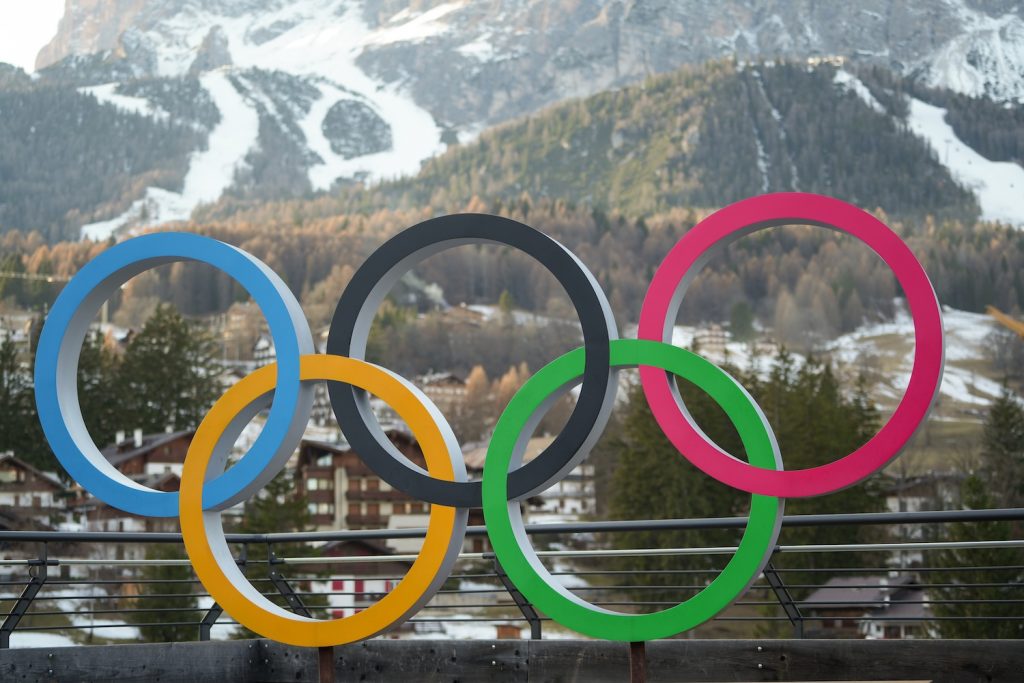
Northern Italy’s majestic mountain ranges—such as the Dolomites, a striking subrange of the Eastern Alps—have long served as both a physical and cultural border between Italy and central Europe. When we look at the climate, the Alps function as a barrier against the more frigid temperatures that would otherwise affect the mild temperatures that have marked much of Italy’s characterization as the “garden of Europe.”
While the residents immediately south and north of the Alps share many cultural traits, these mountains are the geographical and political border between Italy and, from west to east, France, Switzerland, Austria and Slovenia. Their importance in political terms is paramount. In medieval times, the emperors had to cross the Alps to get to Rome to be crowned by the Popes. In more recent times, the Alps were the locations of battles between the new Italian state and the central Empire.
Today, visitors can still find the remnants of those battles (trenches, bunkers, covered walkways used by soldiers during the First World War). South of the Alps, residents speak Italian and many other local dialects rooted in Latin. North and west of the Alps, residents speak German and Slavic languages. Germanic languages are spoken in the Italian province of Alto Adige, where some of the Winter Olympic events will be held.
Dining and Cooking