
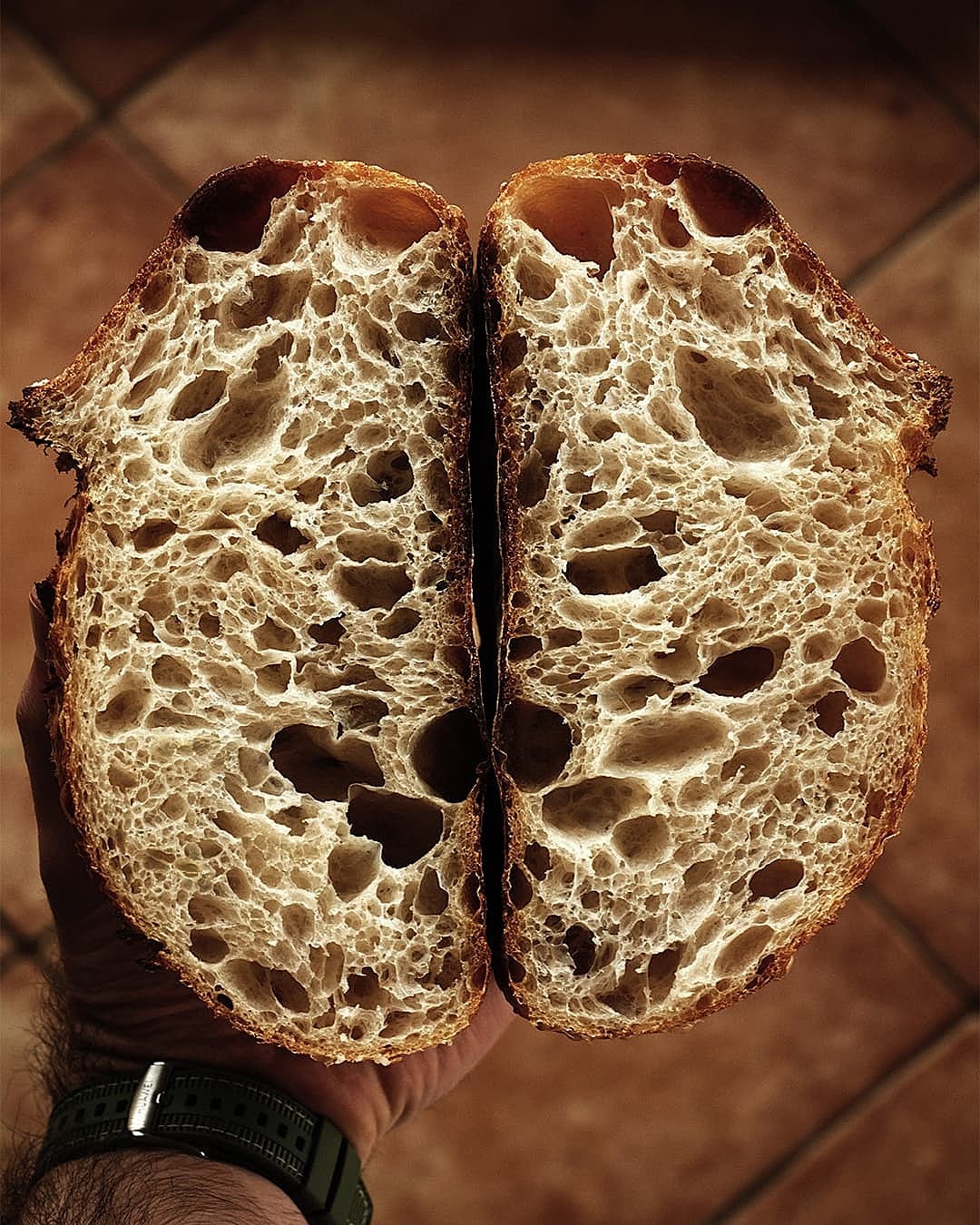
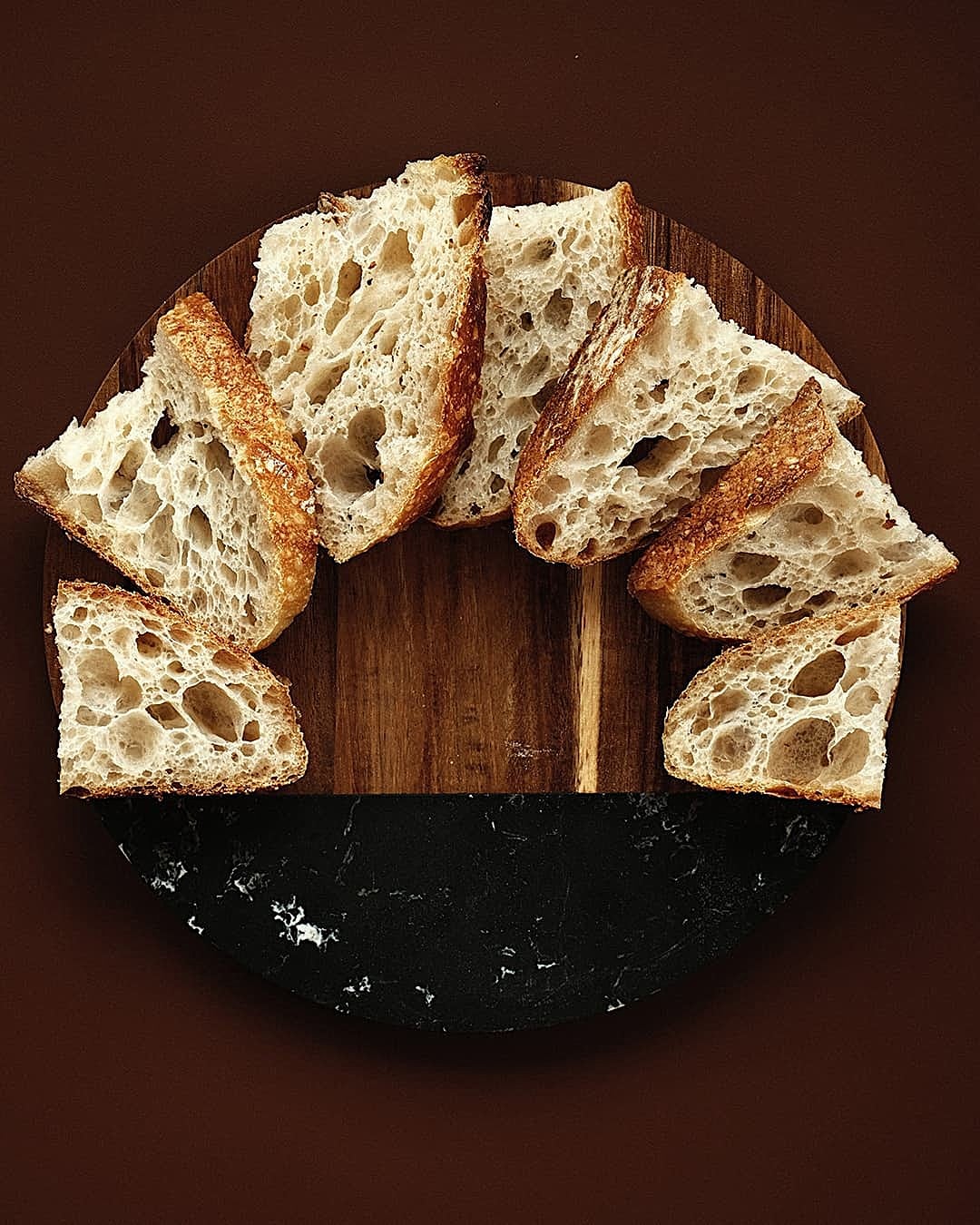
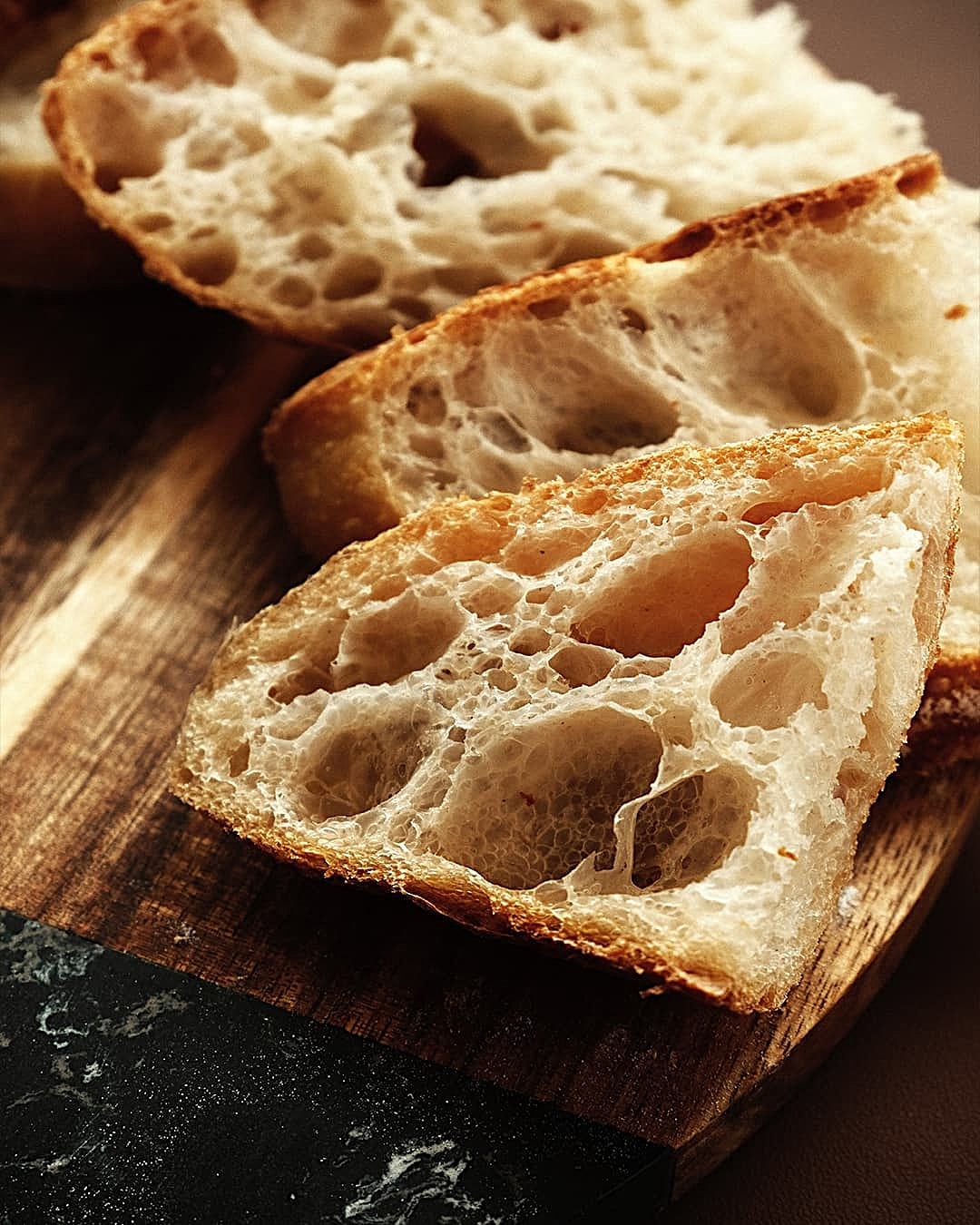
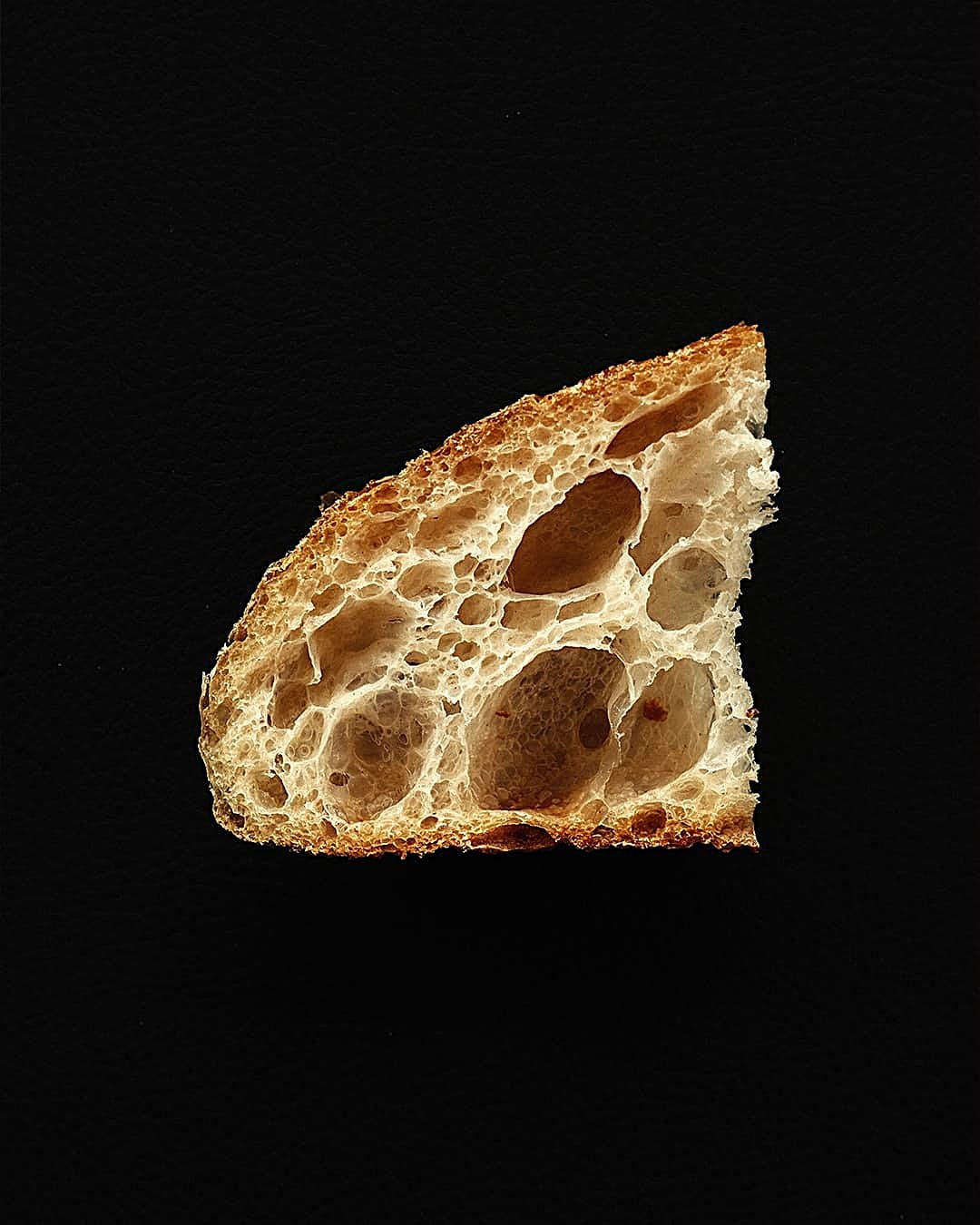
This loaf was made with the cheapest all-purpose flour I could find (Lidl AP flour for €0.53/kg), pushed to the highest hydration it could reasonably handle (88%). I wanted to test a few assumptions I had implicitly accepted as truth but never fully reconciled with my own experience, especially around the relationship between protein content and hydration.
I have not baked with flour this cheap since I started baking four years ago, when it was simply the only option available. I expected the dough to fall apart much sooner, so seeing it reach 88% hydration was genuinely surprising. That said, at 88% hydration the dough was clearly overhydrated. While I managed to steer it into a usable loaf, it was leading the way, and not me.
The reality is that strong, high-protein flour is not necessary, but it does provide a larger margin for error. With this flour, something closer to 78 to 80% hydration would have made the dough far more obedient and capable of producing most crumb styles, especially if using a mixer.
The takeaway for plain white loaves is simple. Do not do high hydration for high hydration’s sake if the flour is not asking for it. Tension is the architect. Your flour is most likely not the problem.
Formula and process
Lidl T-550 all purpose flour (10% protein): 100%
Water: 88%
Salt: 1.7%
Starter: 20%
Autolyse: 1.5 h
Bulk: 8.5 h
Warm proof: 1.5 h
Cold proof: 14 h
Rubaud: yes
Lamination: no
Coil folds: 8
by MarkosBreadLab
18 Comments
Amazing 🙂
Did you use bassinage?
Beautiful!! 😍
Gorgeous
It’s not the car, it’s the driver level sourdough play
how have you achieved such a high hydration with this flour? oO
Wow, you are a really talented baker. Thanks for sharing.
That is gorgeous bread!!!!
Good test!
I agree. Figuring out the amount of water for your flours AND the amount of work you want to put into the dough are key.
I am willing to do up to 6 sets of folds on my dough, but prefer 4. I move my water amount up/down based on which mix of flours I am using and that I want the gluten to develop properly over an autolyse (sometimes) and 4 sets of folds.
How did you find the flavor of the bread using a less expensive flour? In the US I find a fair difference between flours but it is not always a price based difference. The regenerative farming or organic flours have more flavor than an inexpensive bag from the grocery store. The regenerative farmed wheat flour is less expensive than the cheapest shop bought flour, but I buy it in 50 lb bags which is a big contributor to the lower price.
Why so many coil folds?
Are the coil folds 8 sets of 2 folds?
i was confused…in germany 550 flour is the basic wheat flour used in breadmaking.
405 wheat flour is considered all purpose flour, mostly used for cakes, cookies, roux, anything really…
doesn’t change much but i was confused first. sometimes even 405 flour has more protein than 550, depending on brand and harvest. 405 is “cleaner” it has less traces of husk and other parts of the grain, which makes it more useful for pastries and thats why 550 does a better job at fermenting and making bread.
what temps did you bake at and how long ? bakingstone or dutchoven ?
I love when it’s holy like this….
More bread is more holes, more holes is less bread…. More bread is less bread?
How can i determine how much hydration my fl can handle?
Holy bread Batman, nice experiment.
I love this type of experiment. It really makes us question how rigidly we really need to hold onto beliefs. Also the lighting in photo 3 is so beautiful (as is the bread)
This is awesome. It really takes a lot of skill to achieve this. And I also enjoy eating and dipping this style of bread.
I use ap flour from lidl, 0,84€/2kg. It’s the cheapest flour they have and works super well! Protein is 12,2%. My go-to recipe is ~76% hydration (100g starter, 370g water, 500g flour and 10g salt.) and it’s able to handle it really well.