
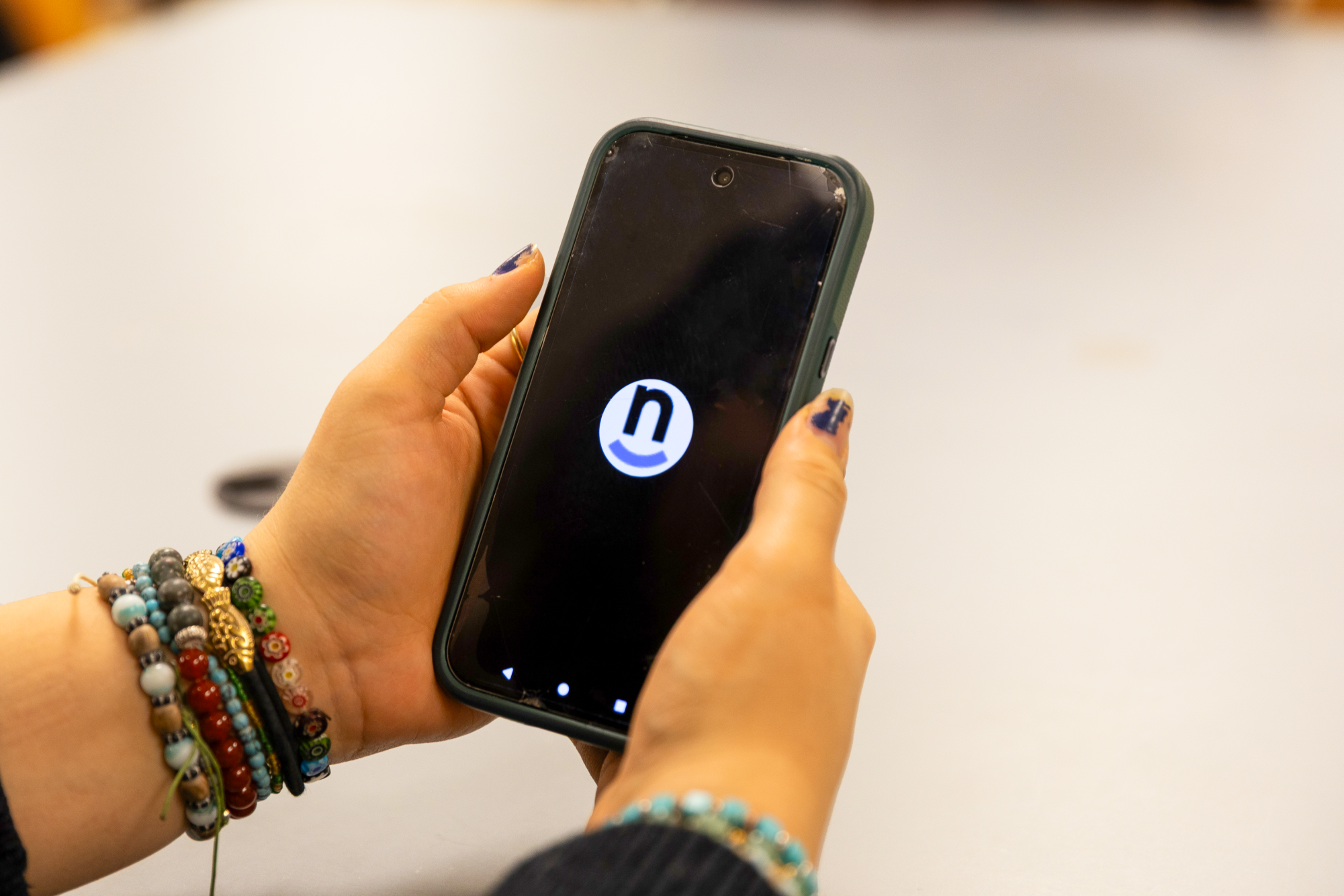
Dining Services has launched a variety of operational changes including a system to reduce food waste and a new digital platform to display online menus and nutritional information.
New Artificial Intelligence (AI) powered scales have been incorporated into daily operations, allowing staff from the Global Cafe, Spencer’s Grill and the Marketplace Dining Hall to more accurately measure ingredients and track food waste. “The intent behind that is that they’re weighing everything they’re producing,” Anu Sanumi `26, the Student Government Association (SGA) dining services liaison, said. “They can also weigh the waste at the end of the day that students leave behind, and they use that as a metric to get [data]—What do students like? What are they wasting most? What should we probably not make that much of anymore?”
Screens and digital price tags have replaced paper posters and paper tags. Scott Turley, the interim director of dining services, said that they were printing about 10,000 to 15,000 price tags each year. “There’s hubs at all these locations so when we need to update those signs we just send it, and it actually just updates those screens and then you know it’s all accurate,” he said.
Dining Services has also switched to a new digital platform and mobile app, Nutrislice, replacing both NetNutrition and the student-created app, GrinEats. Turley said that the mobile app allows for better upkeep with finding foods aligning with one’s dietary preferences and allergies. Additionally, the app operates in more than 50 languages allowing for a school with a high number of international students such as Grinnell to serve all students more equally. Turley said the Nutrislice app is anticipated to be more accurate than NetNutrition in its serving sizes. While the serving sizes may be more accurate to its nutrition information, he said that these serving sizes appear to be very small, requiring students to pay extra attention to meet their personal nutritional goals.
In tracking student concerns, the dining hall is attempting to take all forms of student feedback into account. This semester, the previous self-serve egg station has become a made-to-order “Eggs 4 U” station, sparking negative student comments on the dining hall comment board. Turley said that this change was a long time coming, and not implemented sooner due to lack of staff following the COVID-19 pandemic.
He said that part of the reason for this decision was informed by student fears regarding self-serve. “We started talking with the students who were in line and some shared with us that they don’t come if they’re cooking their own [eggs] because it’s intimidating,” Turley said. In response to the backlash following this change, Turley said that they will now be switching to a hybrid model consisting of three days made-to-order and two days of self-serve. Both the new made to order egg station and the made to order pasta station have created new shifts for staff working in the dining hall.
Another issue the Marketplace hopes to address this semester is the longstanding complaint of the lack of fresh fruit within the dining hall. In an email to The S&B, Sanumi wrote, “We are expecting grapefruit every morning at breakfast, as well as clementine kiwis and dragon fruits at upcoming dinners, and dining services will monitor student interest to determine if they’ll be served more in the future.”
Dining and Cooking