
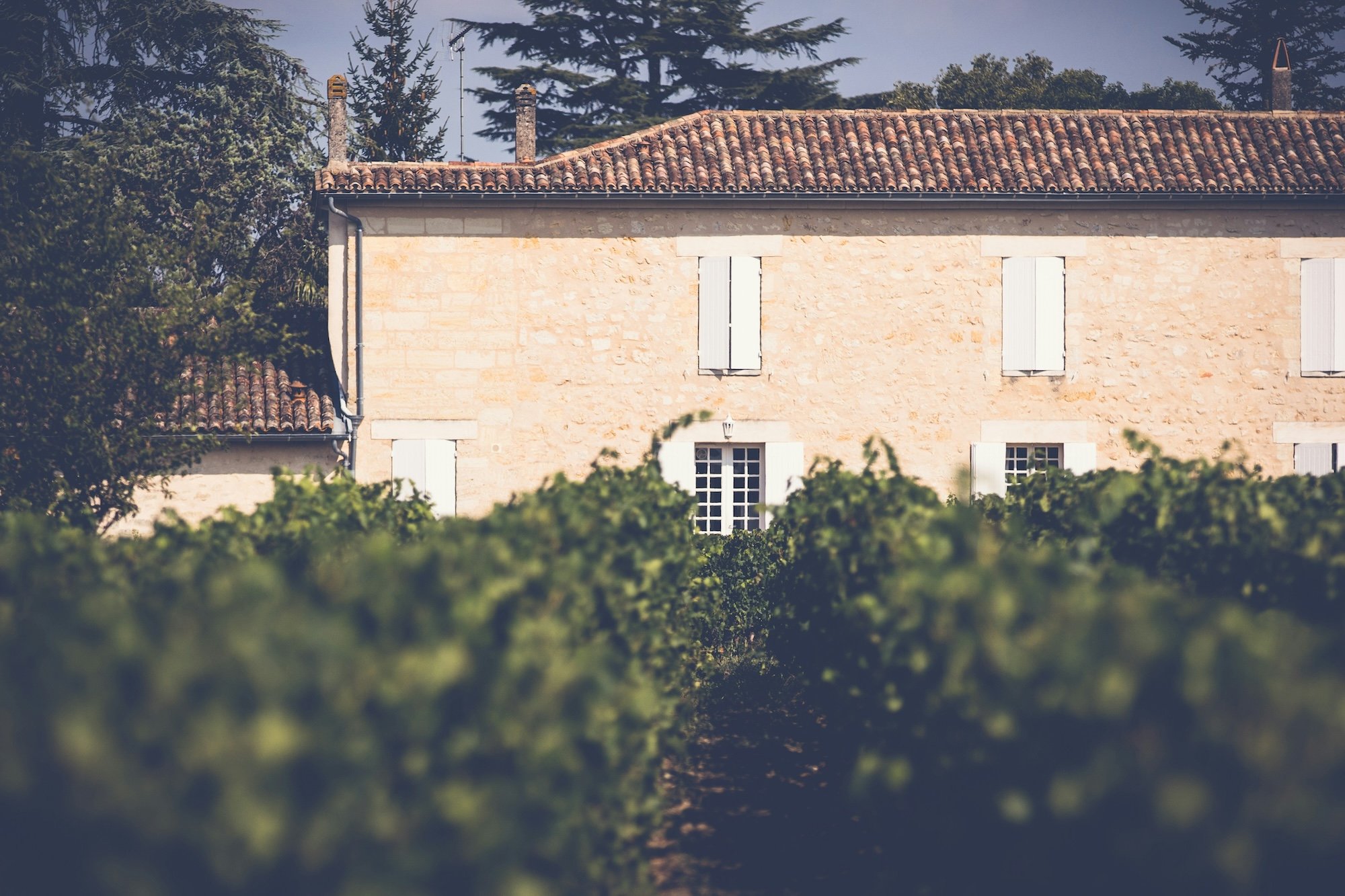
Tradition has kept French winemaking the same for hundreds of years. Then, the climate changed everything.
Long the proverbial wine snob of the planet, France, the world’s leading wine producer, is now also at the forefront of a wine movement changing perceptions and breaking barriers. France’s National Wine Sector estimated that approximately half of all its wine producers would achieve sustainability standards or organic certification by last year; nearly 8 percent of France’s vineyards currently hold organic status but conversion to organic dropped by 40 percent last year.
France produces about 16 percent of the world’s wine, making it a $9 billion-a-year business. The country’s wine industry is also big business for the country’s tourism sector. Pre-pandemic, wine-producing regions across the country welcomed more than 24 million tourists every year.
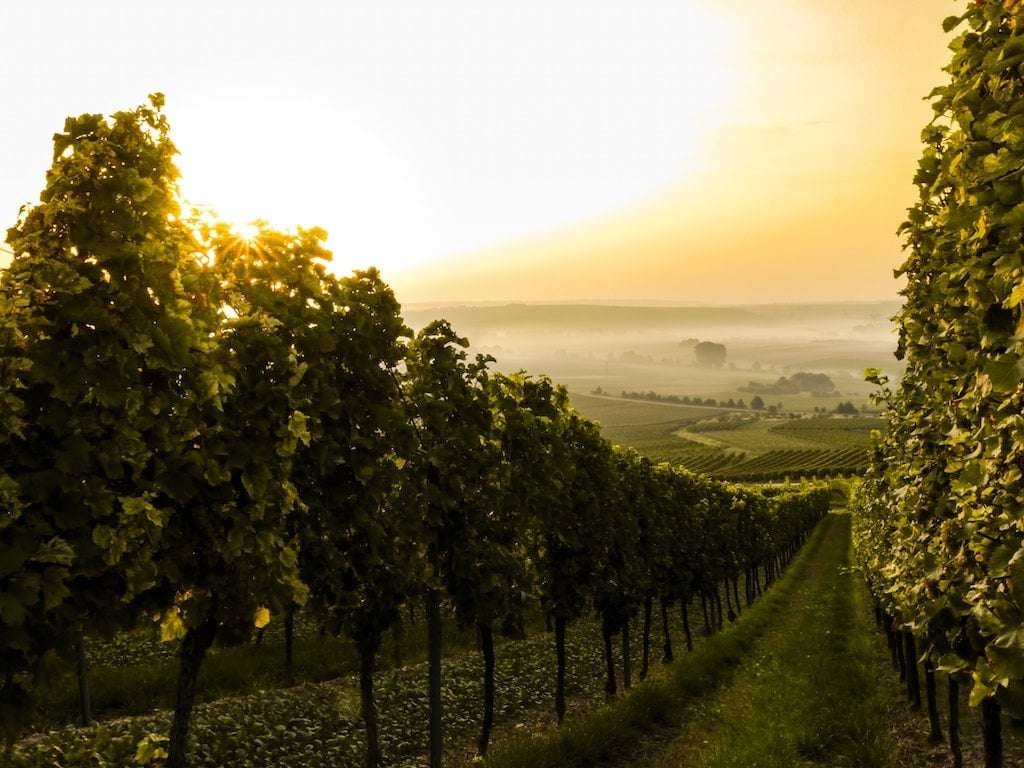 Photo courtesy Sven Wilhelm
“Part of what makes French wine so incredible — beyond taste — is the country’s wine history and its reverence of that history,” Mike Pomranz wrote for Food & Wine. “For instance, in Bordeaux, the Wine Classification of 1855 still holds weight over 150 years later.”
But recently, the region has been looking to the past in an attempt to create an environmentally-friendly future,” Pomranz says, moving away from things like pesticides and toward more sustainable practices in the hope that “one of the world’s best-known wine designations can continue to bear fruit for generations to come.”
Sustainable wine production in France
This momentum has turned France toward new traditions, rewriting the hundreds of years of winemaking history. By 2030, 100 percent of winemakers in Bordeaux will be certified organic, biodynamic, sustainable, or well on their way to transitioning.
Just a decade ago, Bordeaux winemakers were heavily reliant on herbicides and pesticides; 30 percent of substances were considered harmful. That number has dropped to ten percent. In that same time frame, membership of the Environment Management System grew from 25 vineyards to more than 800. In the Loire Valley, it’s a similar situation: vineyards there are also aiming to achieve the same standards by 2030.
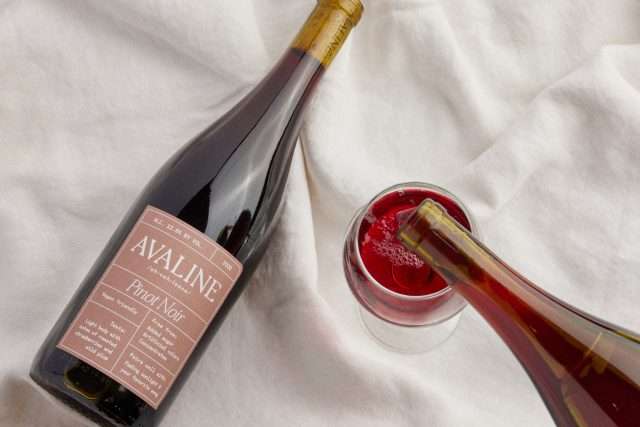 Avaline
In 2021, the Comité Champagne committed to cut chemical use by 50 percent, reduce the carbon footprint of its bottles by 15 percent, and achieve 100 percent sustainability in its viticulture. The shift has been embraced and championed by brands including Avaline, the U.S.-based wine company co-founded by actress Cameron Diaz and entrepreneur Katherine Power. The winemakers partnered with EthicDrinks, a Bordeaux-based sustainable wine producer that took a 2021 French government award for most sustainable wine packaging
French wine and climate change
If France held onto grape-growing and winemaking practices in the name of tradition, the impact of climate change has imparted an urgency to reevaluate. Warming temperatures are changing the flavor of some wines by causing grapes to ripen faster, increasing their sugar content. Winemakers in Bordeaux have noticed changes to grape profiles since as far back as the 1980s when harvest began occurring earlier and earlier.
A 2019 study found that Merlot will be the first wine grape to show the impact of climate change. It currently makes up 60 percent of the vineyards in Bordeaux.
“The flavor of French wines will be more alcoholic, less acidic and less aromatic,” Agnès Destrac-Irvine, of the VitAdapt program that experiments with new grape varieties under climate change, told Time. “The question isn’t how will climate change change French wines, the question is how has it already?”
 Marcel Gross
But elsewhere across the country, warmer temperatures have, at least temporarily, brought benefits. For Alsace and Champagne, mildew has decreased as a result of droughts that have occurred since 2017. That’s not likely to last though as temperatures are expected to continue to rise if Paris Agreement temperature targets aren’t met.
“Some wines will not be able to remain,” Jean-Marc Touzard, the director of l’INRA, a French public research institute focussed on agriculture, told Time. “Merlot is struggling in the face of climate change.”
Wine and spirits leader Moët Hennessy announced a €20 million research center in 2021. Based in Mont Aigu, its focus is on sustainability through four key areas of research including microbiology and biotechnology; climate change research; optimizing production efforts to improve winemaking and recyclability across the supply chain; and efforts to continue to improve on quality and excellence of its products.
Grapes 2.0
In Bordeaux, scientists are now hard at work looking at new grape varietals and flavors more adaptable to climate change. They’re looking at hardier grapes from other parts of the world that may work like Merlot.
But France has long restricted grape varietals. The Institut National des Appellations d’Origine (National Wine Authority) oversees which grapes can and can’t be grown for wine production. The agency has recently relaxed restrictions on several varieties once not allowed in order to find suitable grapes for a changing climate.
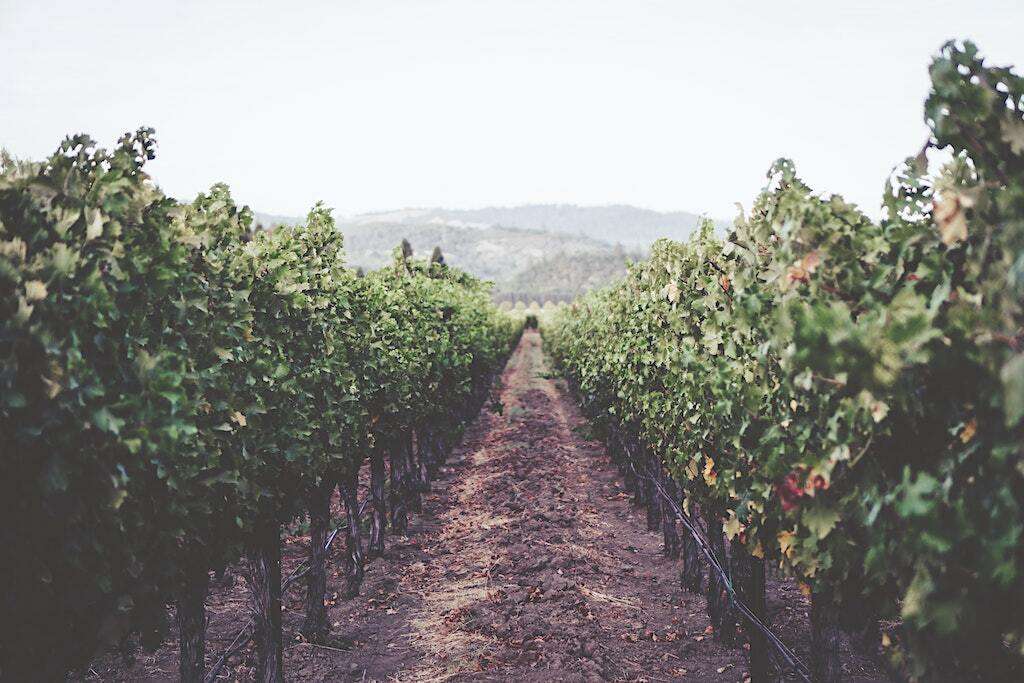 Daniel Salgado
Finding suitable grape varieties is only one part of the climate change problem. Weather patterns are changing across the globe, and could bring unprecedented shifts to growing and harvesting.
“It’s not just about warmer temperatures. With climate change, there will be risks of frost, droughts, fires,” Touzard says. “Look at the fires in California and Australia. We don’t want the taste of fumes in our wines.”
Former President of the Bordeaux Wine Council, Allan Sichel, said the shift to more sustainable and organic farming not only helps reduce the industry’s impact on climate change but develops healthier relationships with the soil, the environment, which may make adapting to the changing climate easier.
As a record number of wine growers embrace the country’s shift to more sustainable production, it shows “a total change in the state of mind,” he said.
“We can’t make things compulsory but we can make it easier.”
Related on Ethos:
Dining and Cooking