
Home » Italy Travel News » This Italian Wine Experience Is Changing How We Travel : Find Out Why You Need to Go
Published on
February 14, 2026
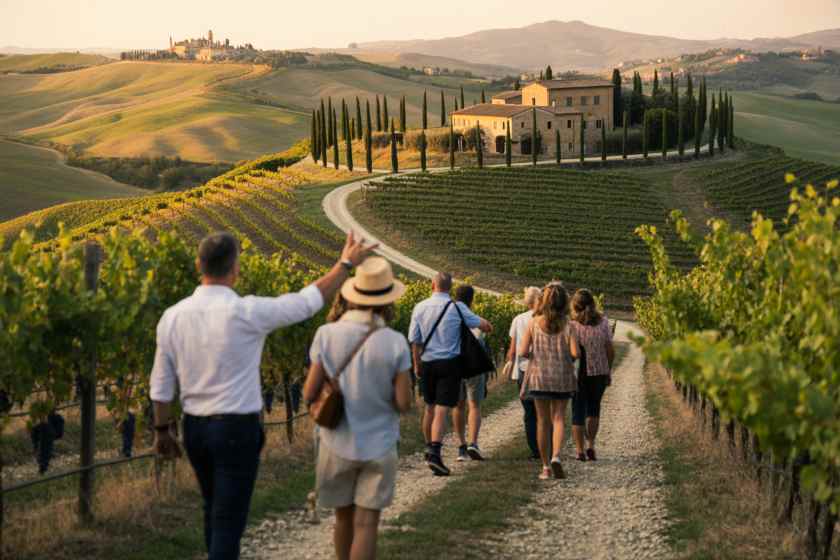
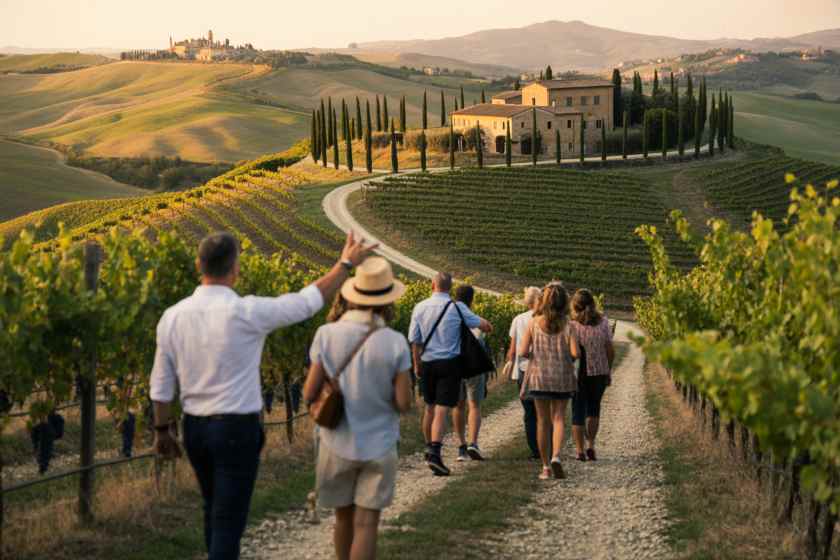
Image generated with Ai
Italy, a country renowned for its world-class wineries and rich history, continues to attract wine enthusiasts from around the globe. As wine tourism becomes an increasingly important part of the country’s tourism industry, it has begun to drive significant growth in the travel sector. The latest study on wine tourism in Italy explores how wineries manage tourism, investment trends, performance numbers, and future plans. Despite facing some challenges, including seasonality and low international reach, Italy’s wine tourism is positioned as a growing sector in the global travel market.
The global wine tourism market is currently valued at around $46.5 billion, with Europe holding 51% of the market share. France, Spain, and Italy are the leading countries in the region. Experts predict the market will experience a compound annual growth rate (CAGR) of 12.9%, driven by the increasing demand for authentic and experiential travel. As a result, wine tourism has become a significant component of Italy’s overall tourism strategy, attracting both domestic and international visitors eager to explore the country’s vineyards, wineries, and wine regions.
Growth of Wine Tourism in Italy: Domestic Visitors Lead the Way
While Italy is one of the most visited countries in the world, it still faces challenges when it comes to international wine tourism. According to recent statistics, 55% of visitors to Italian wineries are domestic tourists, with that figure rising to 62% if you include nearby countries. Foreign tourists account for only 32% of winery guests, which is relatively low compared to global wine tourism averages, where foreign visitors typically make up between 41% and 43% of all wine tourism guests.
Despite Italy’s strong global reputation in the wine industry and the fact that the country receives over 65 million international visitors annually, its wine tourism numbers still lag behind those of countries like France and Spain. This issue is compounded by seasonality, as most visitors tend to come in the spring and summer months, which account for 68% of visits. During these peak months, wineries are bustling with tourists, but the numbers drop significantly during the fall and winter months when Italy’s wine regions are quieter, and many wineries close due to staffing and financial constraints.
Challenges in Wine Tourism: Seasonality and Fragmented Management
Advertisement
Advertisement
The seasonality of wine tourism in Italy presents another challenge. While France has capitalized on the autumn harvest season and its famous fall foliage to draw crowds to its wine regions, Italy faces fewer visitors in the same period. This is partly due to the fragmented way in which wine tourism is managed across the country. Italy’s wine tourism is overseen by various consortia, regional groups, food districts, and wine route associations, each with different priorities and plans.
This lack of centralized management has made it difficult to implement cohesive strategies to attract tourists year-round. However, there is hope for the future. A significant 62% of wineries in Italy are willing to invest in a public-private partnership to improve marketing and promote the country’s wine tourism offering. If the right management strategies are put in place, wine tourism could see significant growth, benefiting not only wineries but also the broader Italian tourism sector.
The Potential for Wine Tourism to Strengthen Italy’s Travel Industry
Wine tourism in Italy is not just about visiting vineyards; it’s about providing travelers with an experience that combines cultural heritage, gastronomy, and natural beauty. Italian wineries often offer guided tours, wine tastings, and events where visitors can learn about the winemaking process and sample the finest wines from different regions of the country. These experiences offer visitors a deeper connection to the land, the tradition, and the artistry that go into producing Italy’s iconic wines.
For international travelers, wine tourism offers an opportunity to explore regions like Tuscany, Piedmont, Sicily, and Veneto, where the landscape is dominated by lush vineyards and rolling hills. Visitors can enjoy wine pairings with traditional Italian cuisine, stay in charming agriturismos (farm stays), and attend festivals and events that celebrate the wine harvest and production process.
Wine tourism also supports local economies by providing jobs in the hospitality and tourism sectors, promoting local businesses, and encouraging sustainable practices in wine production. As demand for sustainable and eco-friendly travel grows, wineries in Italy are increasingly adopting green practices and promoting organic and biodynamic wine production, which are particularly attractive to environmentally-conscious travelers.
What the Future Holds for Wine Tourism in Italy
Looking ahead, wine tourism in Italy has the potential to grow exponentially with the right investments in marketing, infrastructure, and year-round experiences. With international tourists increasingly seeking authentic, cultural, and sustainable experiences, Italy’s wine regions are well-positioned to meet these demands. The country’s ability to offer a diverse range of experiences—from the historic vineyards of Chianti to the coastal wine regions of Sicily—makes it an attractive destination for travelers.
If the barriers of seasonality, international reach, and fragmented management can be addressed, Italy’s wine tourism industry could become a central pillar of the country’s tourism economy. It could also contribute significantly to the wider European wine tourism market, benefiting not just wineries but the entire region.
Conclusion: Wine Tourism in Italy on the Rise
Wine tourism in Italy is an exciting and growing segment of the country’s travel industry. With an increasing number of international visitors seeking authentic and immersive experiences, Italy’s wineries are well-positioned to capitalize on this trend. By addressing key challenges such as seasonality and fragmented management, and by focusing on sustainability and high-quality experiences, Italy’s wine tourism sector has the potential to become a major player in global tourism.
For travelers seeking to explore Italy through its wines, the future looks bright. From the sun-drenched vineyards of Tuscany to the rich wine culture of Sicily, Italy offers something for every wine lover, and wine tourism is sure to continue driving growth in the country’s travel sector.

Dining and Cooking