
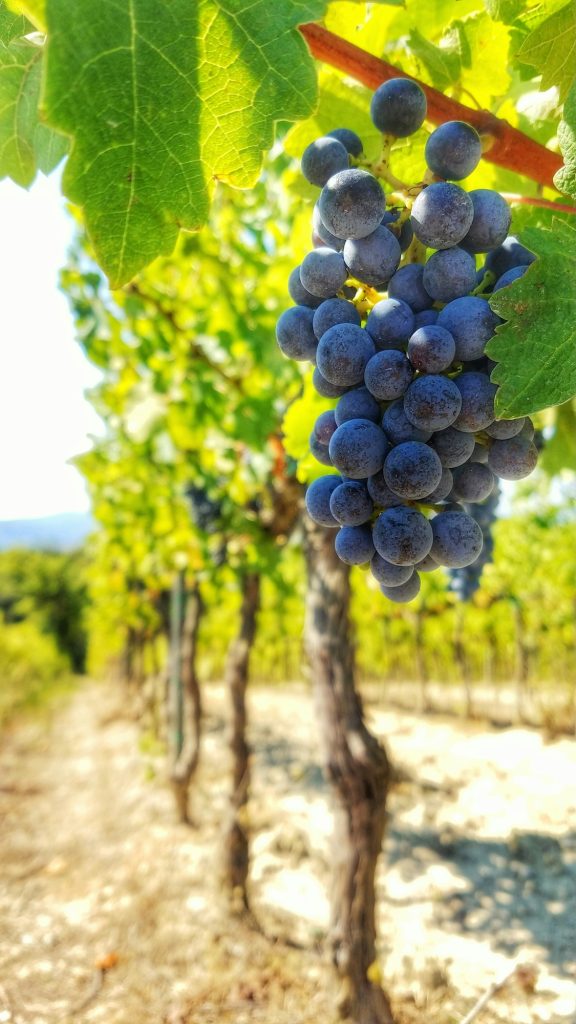
 This Presidents Day Weekend, learn about Thomas Jefferson’s role in wine production in the United States.
Zachary Brown for Unsplash
This Presidents Day I wanted to pay homage to a blast from the past, a president who was America’s first great wine connoisseur, one who saw the opportunity for the “New World” to “make as great a variety of wines as are made in Europe”. That, my friend, is Thomas Jefferson.
Sure, you know him as one of the Founding Fathers, the man who penned the Declaration of Independence, the second face on Mount Rushmore and our third President. Yet, many don’t know just how much he inspired American viticulture – even before the Revolution – planting vines and experimenting with winemaking in his beloved Virginia and more so once the country earned its independence.
“We could, in the United States make as great a variety of wines as are made in Europe: not exactly of the same kinds, but doubtless as good. Yet I have ever observed to my countrymen who think its introduction important, that a labourer cultivating wheat, rice, tobacco or cotton here, will be able, with the proceeds, to purchase double the quantity of the wine he would make.” – Thomas Jefferson
What makes Thomas Jefferson the most wine-savvy POTUS still? I’ve laid out five reasons. There are more of course, but these are my favorites. If you’re looking to learn even more about Jefferson and his love of wine, check out the book “Thomas Jefferson on Wine,” by John Hailman.
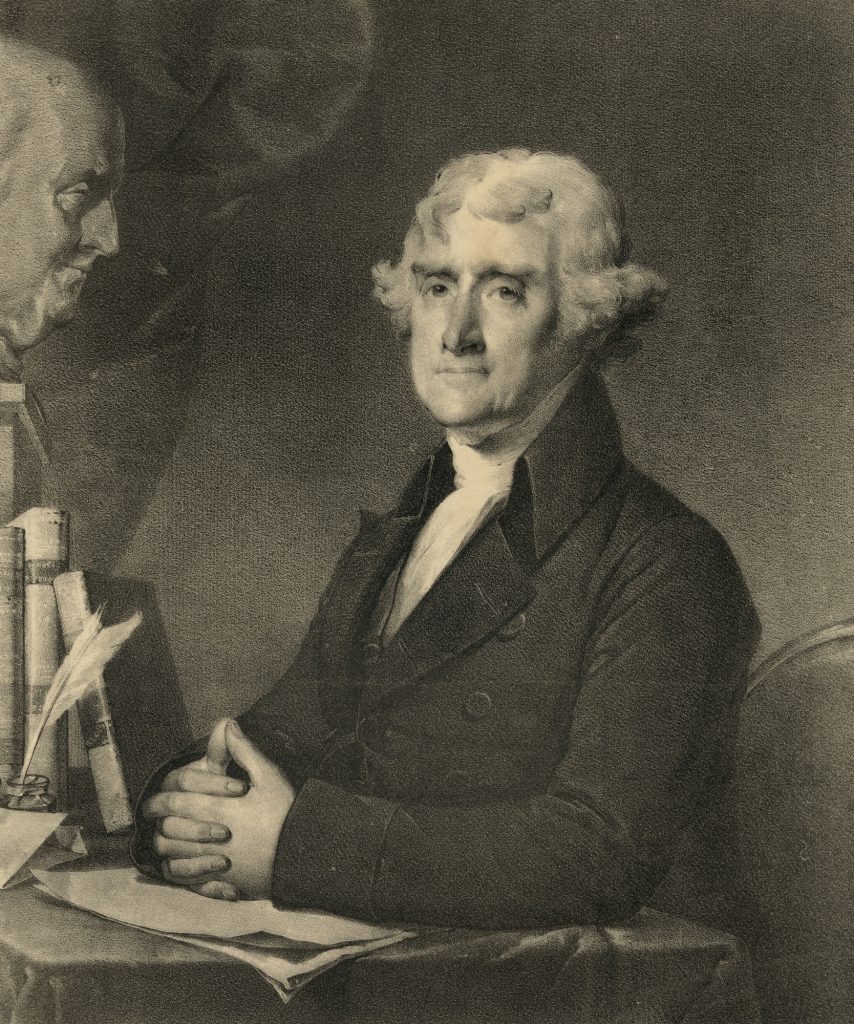 Thomas Jefferson, the United State’s third president, was a wine aficionado. Library of Congress via Unsplash
Leveraged workcations before it was cool
Before it was a thing, Jefferson was owning the “workcation” lifestyle; blending business trips with leisure trips. In 1785 he moved to Paris to begin his role as America’s Minister to France. During this time, he spent three months touring the country for American trade interests. But, it was his personal interest in wine that set the itinerary to go through some of the best European wine regions in France and Northern Italy – Burgundy, Champagne, Rhone Valley, Beaujolais and Piedmont.

Support Local JournalismDonate
Believed in keeping taxes low on wine
The first thing the newly formed American government did was establish a tax on alcohol. This in turn helped the nation not to ever need an income tax until those silly Temperance folks pushed for National Prohibition. This led to the formation of the federal income tax. But, Jefferson strongly believed that keeping taxes low on imported wines was essential for a strong, prosperous country.
“No nation is drunken where wine is cheap; and none sober, where the dearness of wine substitutes ardent spirits as the common beverage.” – Thomas Jefferson
In essence, he didn’t want people getting drunk off whisky or cheap booze, but instead Champagne or a nice glass of wine from Bordeaux.
Responsible for Virginia’s first established American Viticultural Area
For nearly 30 years Jefferson had French, German and Italian vines planted at his home, Monticello, in Virginia. But, he never actually produced wine – all his vines died. Every year. Freezing temperatures in the winter, the American Revolution and Phylloxera were all to blame. Keep in mind, Vitis Vinifera (vines that produce wine grapes) didn’t grow on the East Coast until hybrid grapes were formed … and the climate began to warm.
Jefferson was right in his persistent vision of Virginia – and the United States – producing a “great a variety of wines”. Today, all 50 states produce wine. His dream of producing wines at Monticello lives on at Jefferson Vineyards, which is part of the original vineyards he had laid out. The surrounding area where Monticello is located is now home to dozens of thriving vineyards and the Monticello AVA.
Brought direct to consumer sales and bottling to the US
Jefferson spent a lot of time in France exploring – and falling in love with – European wines. Given he couldn’t easily get the wines he loved when he returned to the U.S., he placed large orders and had them shipped. He personally had 600 bottles a year sent from France to the U.S. However, he lived by the concept of “Don’t go to the middleman.” Instead, buy direct from the winery and have them send the wine in bottles.
In today’s mindset that sounds like a given – shipping your wine in bottles. But, in the 1790’s wine was not often bottled since it added to the cost. However, by doing this, it not only protected the wine from oxidation but it also kept thirsty sailors from sipping on the barrels during the journey. They were known to water down the wine to cover up how much they enjoyed along the way.
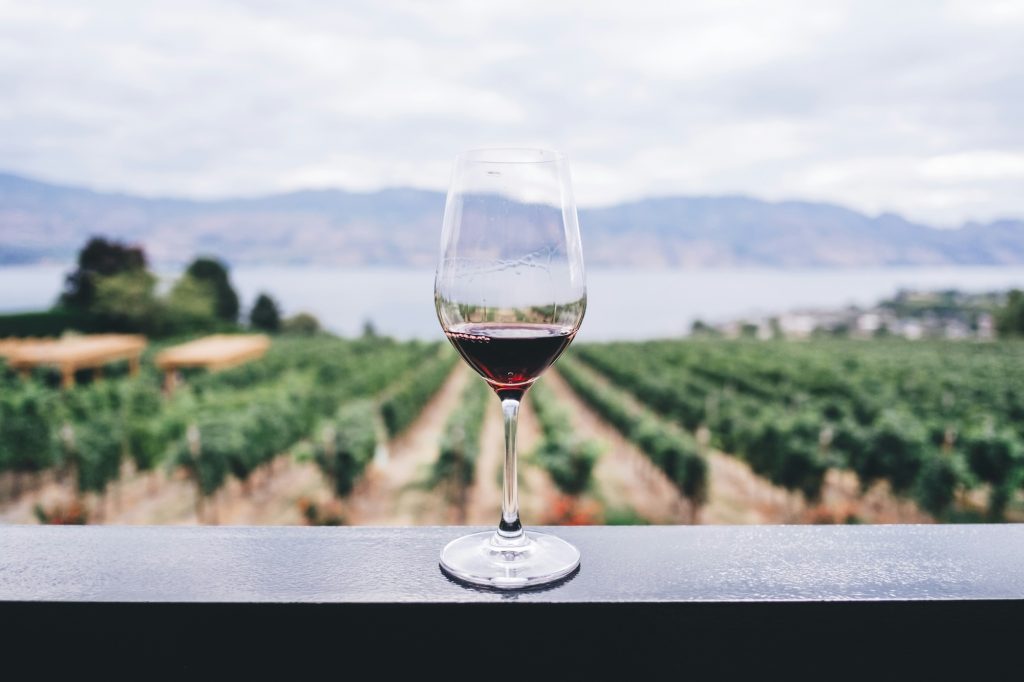 Wine production in the U.S. isn’t done just in popular areas like California and Oregon, all 50 states produce wine. Kim Ellis for Unsplash
Unintentionally responsible for the explosion of counterfeits in the wine trade
On December 5, 1985, Christie’s in London sold the most expensive bottle of wine ever sold at auction – at the time. The price was $157,000 for a wine believed to be from Thomas Jefferson’s personal collection but it turned out to be a fake. Since then, there has been an explosion of counterfeits in the wine trade. “The New Yorker” goes into detail on the fake Jefferson wine.
Two centuries later, Jefferson’s dream of American viticulture is alive and well. The grape varieties may have changed, but I’d like to think Jefferson would approve of the wines.
Elaine Schoch is an award-winning travel writer and wine judge, certified by the Wine & Spirit Education Trust (WSET) Level 2, and a certified American Wine Expert. She is also the editor at Carpe Travel, a content site focused on wine travel. You can follow her wine 101 and sipping adventures on Carpe Travel or Instagram.
Dining and Cooking