

 It isn’t often, gentle reader, that a Presidential banquet becomes a topic of hot discussion. Generally, these are calm occasions where diners make elegant speeches and nibble on petite bites, like delicately stewed peaches. Recently, however, as India saw a flurry of high-profile diplomatic visits, the accompanying Presidential dinners were followed by some chatter. This focused first on the vegetarianism of the menus — why, asked some, were guests served roots, shoots and fruits in this land of kormas and kebabs? The next concern steamed up over the provenance of dishes. Some (with enviable amounts of free time on their hands) wondered why moringa soup, morels or banana blossom? This line-up left those more used perhaps to artery-popping rogan josh scratching their heads, not in josh but puzzlement.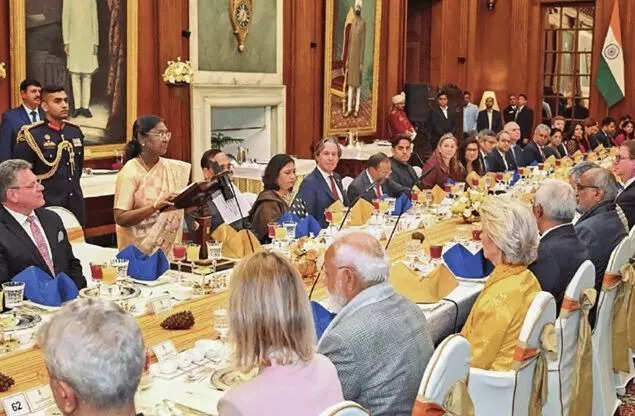
Food for thought: A state banquet is more than an occasion to eat —it is a moment in history when new choices can be made, evolving from troubling pasts to better futures
At TE, following in the footsteps of time’s thinkers, from Copernicus to Janaki Ammal, we try to demystify intellectual fogs that cloud our understanding. State banquet menus might seem a relatively prosaic matter compared to, say, the discovery of heliocentrism — but there is a link there that can make a difference to our knowledge of the world.Vegetarianism has deep roots in India — ancient sovereigns, scholars and saints advocated for non-violence and conservation. Later, vegetarianism became identified with Mahatma Gandhi in a profound outcome of several histories in the making — and dreams of a future free of them. Gandhiji encountered vegetarianism, not just as a personal choice shaped by tradition, but a modern struggle in 19 th century England. Britain was in the heyday of industrialisation, its gigantic wheels powered by wealth stolen via colonialism. As mills, migrants and ‘poorhouses’, diseases for workers and crimes in industrial belts spread, discontent began. Mass slaughterhouses took over and people grew horrifyingly unthinking while operating conveyor belts of cruelty — ‘Pig’ by Roald Dahl captures this loss of sentience by meat-producers and eaters. Thinkers drew a link between the expansion of industry and the spread of cruelty, brightly packaged and covered in sauce.Vegetarian societies started, linking the industrial slaughter of animals for cheap diets with growing unhappiness and poor health. Gandhiji landed amidst this turmoil — and saw parallels of power. The ruthless conquest of animals by humans was not very different from the subjugation of some humans by others. For him, being vegetarian was a liberation, both from the cruelty of humans to animals and the violence colonialists inflicted on their victims. This was a fundamentally modern moment — a choice made to change a future brimming with bloodshed, starting at one’s own table. 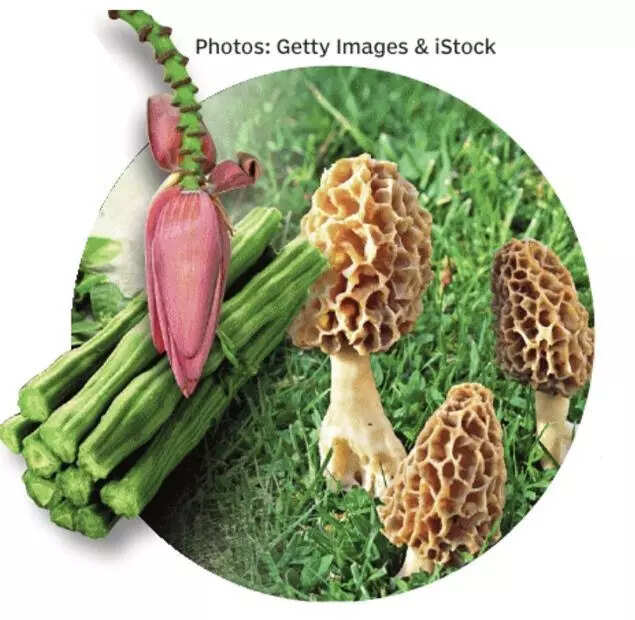
Tastes of India: Banana flowers, moringa, morels
Vegetarianism — and now, flexitarianism — expanded among the better-informed as people uncovered the links between industrialisation and cruelty. Hannah Arendt wrote of ‘The Banality of Evil’ about the Holocaust. However, her arguments apply to the meat industry too, where evil — the human greed for animal flesh and our obliviousness to the terror, pain and perishing of living beings — is made mundane, turned into the everyday, the quick snack, the artistic dish, tables of elegance where silken napkins stifle screams. It is this anguish feasts at India’s Rashtrapati Bhavan do not normalise. 
.
There is more food for thought here. We are now in the Anthropocene, the era of human impacts reshaping Earth. Huge industrial processes release emissions — these form a cover around Earth, refusing to let warmth dissipate into space. Altered temperatures and water flows around the world underline this science. However, many of us do not recognise these processes in our daily lives. Some, like electricity, are massive and need systemic-level change — but some come down to the individual.The Food and Agriculture Organization estimates 14% of global greenhouse gas emissions come from the meat industry. Every stage of this industrial mega-system, from land which rears herds for slaughter to the factories which murder them and the plastic and tin which carry bits and pieces to us, releases toxins that heat Earth. Soon, stopping such heat will be beyond our hands — but we still have a small window to make a choice. 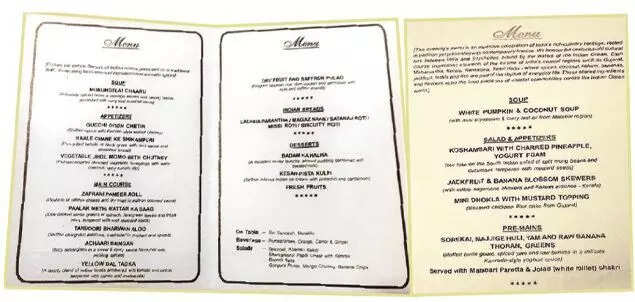
Change on the menu: Recent state dinners signal new cuisine which respects science
These menus capture that hope — and celebrate India’s cuisines from across the country. Every ingredient holds meaning — the ‘murungelai chaaru’, for instance, is so fitting in India which produces the most moringa in the world. Such dishes travel the great expanse of India, are novel in nature, if not nouvelle (in truth, many would pay hefty prices for them in glittering restaurants) and sustainable. They fit a land which stands for empathy — and intelligence. They inspire us to see celebrations can mix fresh flavours with wisdom — and come tempered with a kindness we are in danger of forgetting.Views expressed are personal
Dining and Cooking