
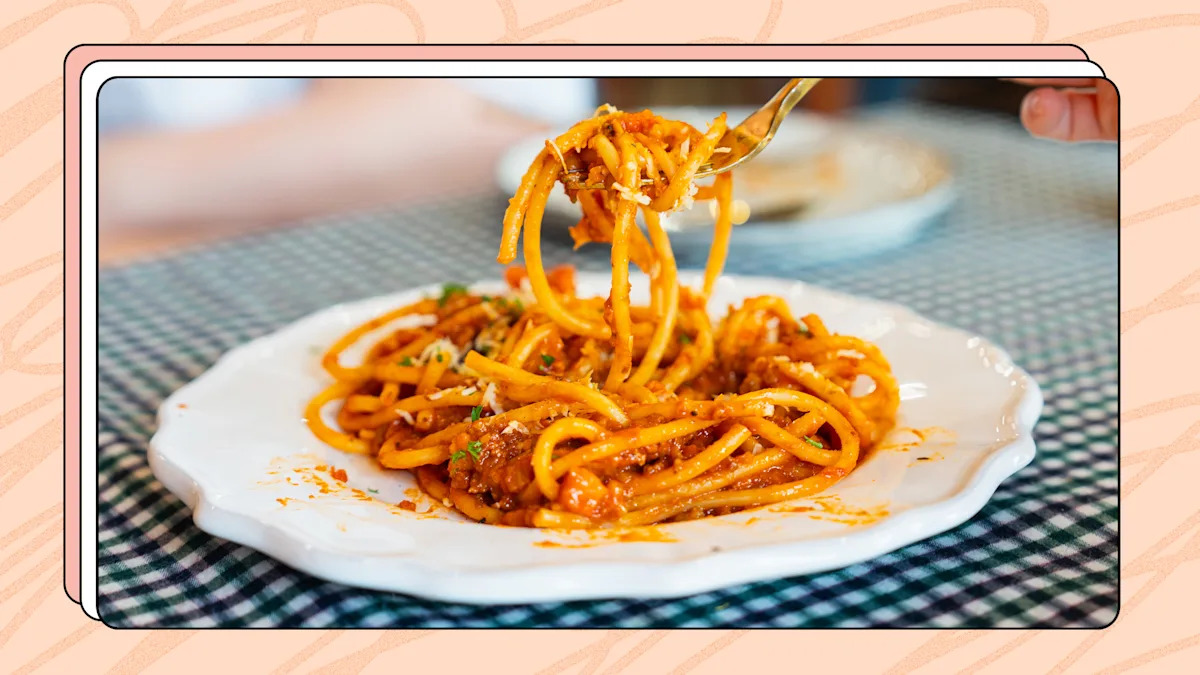
Spaghetti bolognese is one of the UK’s most cooked family dinners, and for good reason – it’s quick, familiar and (usually) guaranteed to be eaten without complaint.
It’s certainly a weekly staple in my house as a dietitian and busy mum to two young children.
But with food prices high and many families trying to rely less on takeaways and ultra-processed foods, this classic dish has taken on a new role: comfort food that also needs to work harder nutritionally.
The good news? There’s one humble cupboard ingredient, costing around 50p, that can quietly transform your bolognese into a more balanced, budget-friendly meal. Plus, it doesn’t change the taste in a way most adults or children would notice. And I say that from experience.
The ingredient? Lentils.

(Yahoo Life UK)
The health – and money saving – benefits
Adding lentils to mince-based meals isn’t a new idea, but it’s often overlooked because people assume it will ‘ruin’ the texture or change the dish’s taste.
In reality, when added properly, lentils blend seamlessly into the sauce. As I often say, sometimes the healthiest changes are the ones no-one even notices.
By adding a tin of drained lentils to a bolognese made with beef mince, you can significantly boost fibre intake, while still keeping the flavour and satisfaction of a meat-based meal.
Lentils can also make your meal cheaper by stretching the mince further or replacing it altogether. Lentils cost around 40-70p per tin or bag, and one tin can replace roughly 250g of mince.
From a nutritional point of view, lentils can bring some big health benefits to your bolognese too:
More fibre: Most of us aren’t meeting the UK government’s fibre recommendations of 30g a day for adults and 15-25g for kids, depending on age. Adding lentils to a bolognese can double or even triple the fibre content without increasing portion size. Fibre supports healthy digestion, heart health, blood sugar control, and keeps us feeling fuller for longer.
Extra plant-based protein: Supports fullness and growth.
Additional micronutrients : Micronutrients (many of which my own children even fall short of) include iron for energy, potassium for heart health and folate for growth and development. Lentils also contain small amounts of zinc and magnesium, nutrients that support immune function and muscle health.
They count towards your 5 a day: Just 2-3 heaped tablespoons counts, which is great news for children and adults alike.
I serve bolognese with wholemeal pasta, jacket or sweet potatoes, or basmati rice to keep things varied – plus a nice green salad alongside just for good measure.
As well as bolognese, lentils also work well in rich tomato-based dishes, pasta sauces, curries, soups, chilli and shepherd’s pie.
Because lentils absorb the taste of the sauce, many children won’t even notice they’re in there.
(Charlotte Clemie)Which type of lentils should you use?
Lentils are minimally processed, shelf-stable and cheap. Using them regularly can help families feel less dependent on ultra-processed options, without needing to overhaul their entire diet or introduce ‘health foods’ that some people or children may reject at first sight.
Here’s how to choose the best lentils for your family.
Red lentils or red split lentils: These are the easiest place to start and my personal favourite. No need to soak, they soften and break down as they cook, almost disappearing into the sauce. This makes them ideal if you’re cooking for younger children or anyone wary of ‘bits’ in their food – my four-year-old can spot a pea from a mile off.
Green or brown lentils: These keep their shape more, adding texture. They work well if your family already eats chilli con carne or lentil-based dishes, or if you want to start replacing the mince entirely with lentils.
Want a lentil alternative? Try kidney beans: Firm, mild and familiar, kidney beans are particularly good for older kids – my seven year old loves (doesn’t mind) them. They can be lightly mashed before adding if texture is a concern.

(Yahoo Life UK)
How to add them (without anyone noticing)
The key initially is integration, not substitution. This isn’t about removing meat or enforcing a vegetarian meal (my husband, for one, wouldn’t be on board with this!) – it’s about balance and flexibility and making plants the stars of the plate.
Start by cooking your onions, garlic and mince as usual.
Once browned, stir in your lentils (tinned cook faster than dried) along with chopped tomatoes, herbs and stock. The longer they simmer, the more they absorb flavour.
Tinned lentils should be drained and rinsed before use – I look for those tinned in water. Dried lentils should be washed before use.
If you’re concerned about texture, I use two easy tricks:
Blend half of the lentils or beans with a little tomato sauce before adding
Mash them lightly with a fork so they thicken the sauce
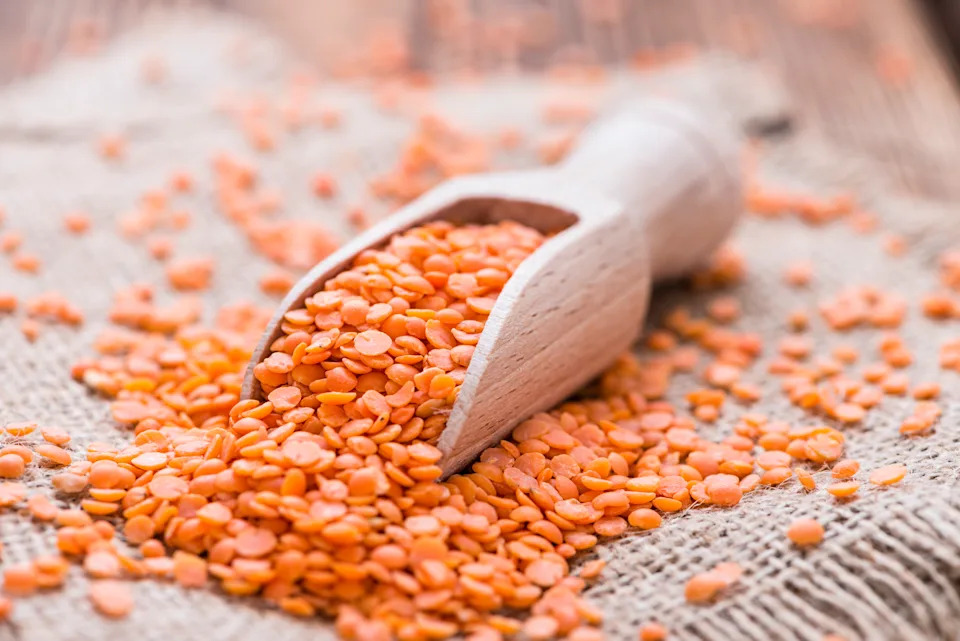
Red lentils will break down and almost disappear into the sauce.
(Erika Bunea / 500px via Getty Images)Will children actually eat it?
In most cases, yes. Especially if parents are sitting down and eating the same meal alongside them. Role modelling can help introduce new foods; speaking from experience, although this can take time and repeated exposure.
Some children may be sensitive to changes in flavour, but because lentils are mild and absorb the taste of the sauce, they’re rarely detected when mixed or mashed in well.
Serving the meal exactly as usual, same pasta, same cheese, same plate, helps avoid suspicion. Many parents report that their children don’t notice any difference at all.
You can also get the children involved in cooking, from chopping to laying the table.
If you’re looking for an easy, planet-friendly, low-effort way to make family meals more balanced without rocking the boat, lentils are one of the simplest additions or swaps you can make.
No fuss, no faff. Eat Better is a monthly series of quick and easy food upgrades for busy families.
Dining and Cooking