

 (Fortyforks/Shutterstock)
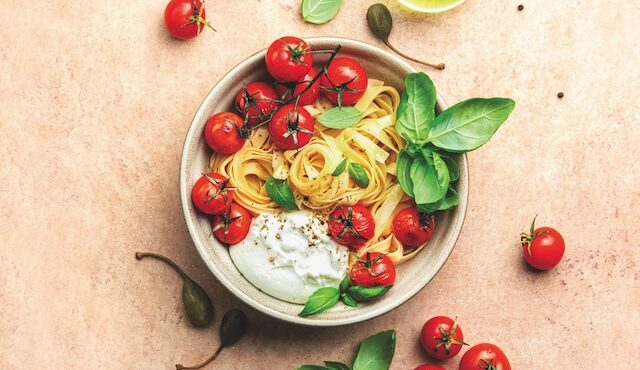
In December, Italy’s cuisine was recognized by the United Nations Educational, Scientific and Cultural Organization (UNESCO) as an Intangible Cultural Heritage of Humanity — the first time a national cuisine received this honor. Prime Minister Giorgia Meloni participated in a celebratory ceremony featuring a special illumination of the Colosseum in the nation’s red, white and green colors. “This recognition will give the Italian economy a decisive boost to reach new heights,” Meloni said.
UNESCO describes Italian cuisine as a cultural and social blend of culinary traditions marked by the use of raw materials and artisanal food preparation techniques. “It is a communal activity that emphasizes intimacy with food, respect for ingredients and shared moments around the table. The practice is rooted in anti-waste recipes and the transmission of flavors, skills and memories across generations.”
The recognition came as Italy continues to fight against “fake” Italian food, including a complaint lodged in November with the European Parliament after a prepackaged sauce labeled “carbonara” showed up in Italian supermarkets, CNN reported.
Made in Belgium, the product’s recipe uses smoked pancetta instead of guanciale (pork jowl). Italy has also fought against the production of fake olive oil and the use of Italian-sounding names on products not made in Italy.
Dining and Cooking