
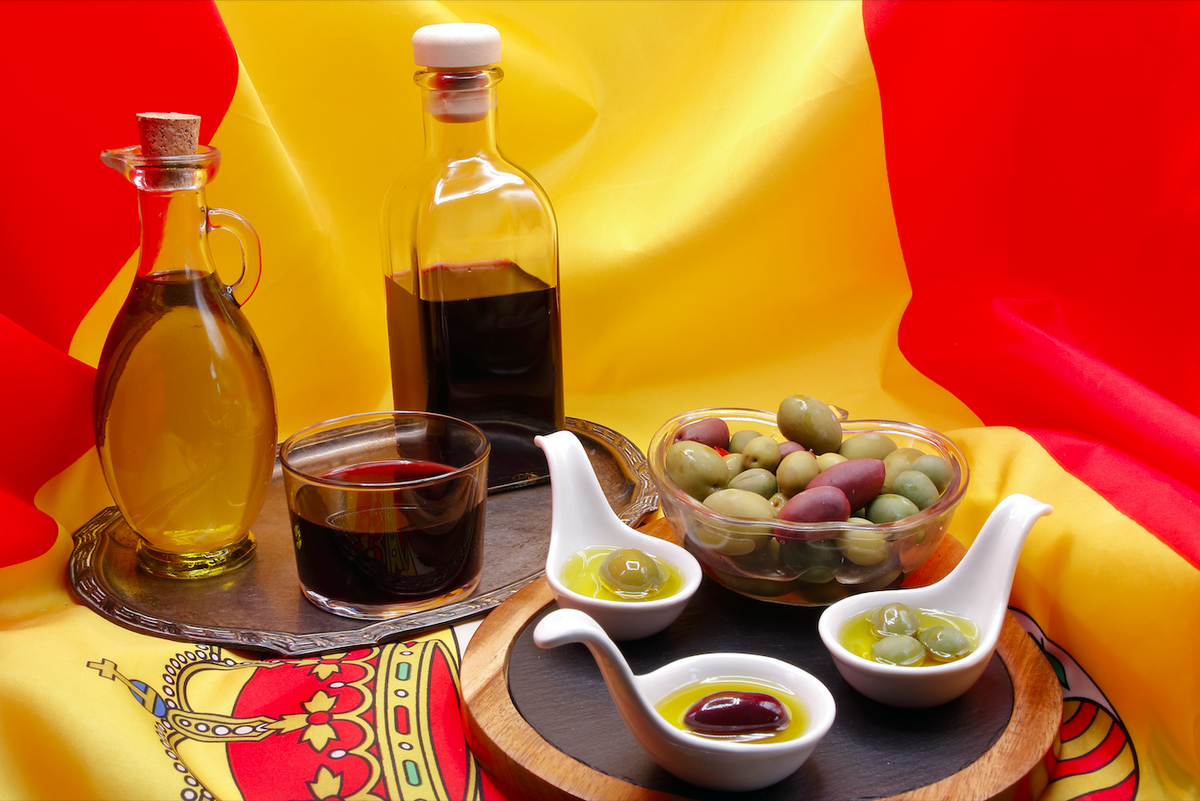
The ruling offers a potential turning point after months of strained relations with U.S. importers. Photo credits: Munimara/Shutterstock
Spain’s olive oil and wine industries, two of the country’s leading agricultural export sectors to the United States, have reacted with cautious optimism after the U.S. Supreme Court ruled against the legality of tariffs imposed under former President Donald Trump. The decision is seen as a significant potential reprieve for exporters who have faced higher costs and falling sales in one of their most important markets.
The Supreme Court’s ruling on Friday concluded that much of the tariff framework relied upon by the Trump administration, which levied a 15 % duty on European Union products including olive oil and bottled wine, was beyond the president’s legal authority under U.S. law. The court determined that the executive branch overstepped its powers when it invoked emergency trade prerogatives to impose broad tariffs on trading partners.
Trade Impact and Declining Exports
The tariffs, introduced in 2025 as part of a broader protectionist trade stance, took a toll on Spanish exports to the U.S. According to recent data, total Spanish export revenues to the United States dropped by about 8 % in 2025 compared with the previous year, reaching roughly €16.7 billion. Olive oil and wine, historically among the country’s most exported agro-products, were hit especially hard by these levies, which raised the price of Spanish goods in a competitive market.
Most Read on Euro Weekly News
Despite Spain’s olive oil and wine combined accounting for more than €1.3 billion in U.S. sales, tariffs increased the cost of these products to American consumers. Olive oil exports fell sharply in value, while wine sales also declined due to higher duty-inclusive prices.
Producers and exporters have warned that prolonged tariffs could have long-term consequences for Spain’s position in North America, where competition from other supplier countries is fierce. But Friday’s Supreme Court decision offers a chance to reverse that trend, at least in part.
Industry Reaction in Spain
Spanish industry groups welcomed the ruling, emphasising how important the U.S. market is to their sectors. Olive oil, in particular, remains one of Spain’s most significant food exports, with annual sales to the United States exceeding €1 billion in 2024. Bottled wine exports also represent hundreds of millions of euros in revenue.
Rafael Pico, Deputy Director of the Asociación Española de la Industria y el Comercio Exportador del Aceite de Oliva (Asoliva), described the decision as “very good news” and a development the sector had anticipated. Industry representatives said they would now examine whether U.S. importers can seek reimbursement of tariffs already paid, potentially with interest, a point that could deliver financial relief to trading partners and improve confidence in future sales.
Exporters also signalled that they intend to use the ruling to assess whether the declaration of illegality will remain stable or if there might be efforts to reintroduce similar tariffs through alternative legal measures.
Cautious Optimism in Wine Sector
Leaders in the wine industry, including representatives from the Confederación Española de Consejos Reguladores Vitivinícolas or CECRV (Spanish Federation of Wine Regulatory Councils) expressed that the decision sent a “very positive signal” about the potential for U.S. trade policy to align more closely with international rules. However, they urged caution, noting that the Trump administration had previously anticipated such a judicial outcome and might seek alternate ways to sustain levies on European products.
The wine sector highlighted the strategic value of the American market, calling it “one of the principal destinations” for Spanish wines but acknowledging that it remains “a very difficult market to replace” should trade barriers return.
Broader Trade Implications
The Supreme Court decision goes beyond Spain, with wider implications for U.S. trade policy and global markets. Analysts note that this ruling represents a legal check on executive overreach in trade matters and may influence how future tariff measures are crafted and implemented.
In Europe, the European Commission has taken note of the ruling, urging the United States to provide clarity about its future tariff posture. The Commission emphasised the need for predictability and stability in commercial relations, flagging concerns about possible alternative trade restrictions that could still affect European exporters.
Likewise, the International Chamber of Commerce cautioned that while the decision brings some relief, it may also introduce fresh uncertainty into transatlantic trade relations. U.S. authorities have signalled their intention to explore other legal avenues to maintain tariff frameworks, leaving exporters and policymakers on both sides of the Atlantic attentive to future developments.
Looking to the future
For Spanish olive oil and wine producers, sectors that form part of a broader €387 billion export economy, the ruling offers a potential turning point after months of strained relations with U.S. importers. While the legal and political landscape remains fluid, industry leaders say they plan to use this moment to push for renewed commercial dialogue and to solidify their foothold in the American market.
As legal and diplomatic follow-ups unfold, stakeholders in Spain and across the EU will be watching how Washington responds and whether long-term tariff reductions can be realised, not just in rhetoric but in sustained trade flows.
Dining and Cooking