
Home » EUROPE » Elevating the Soul of Italy: How Minor Hotels Harmonizes Luxury Hospitality with UNESCO’S Culinary Legacy
Published on
February 21, 2026
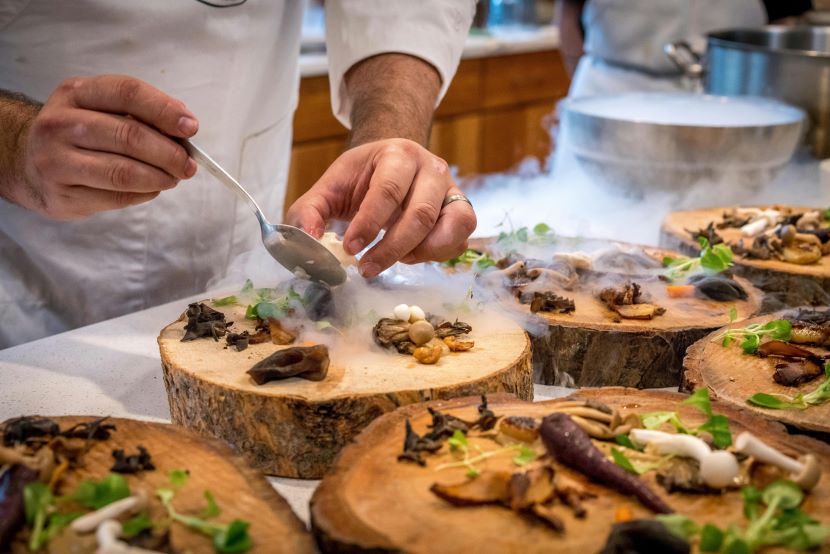
Image generated with Ai
The global landscape of luxury hospitality is being redefined through a commitment to local traditions by Minor Hotels, as the group focuses on the preservation of Italy’s UNESCO-designated culinary heritage. This initiative is being spearheaded by the Anantara and NH Collection brands, ensuring that the gastronomic excellence of the Mediterranean region is showcased to an international audience. By integrating deep-rooted cultural values into the guest experience, a bridge is being built between modern luxury and ancient food traditions.
The Significance of Italian Gastronomy and UNESCO Recognition
The profound importance of the Mediterranean diet has long been recognized by global cultural authorities. This recognition was solidified when the culinary practices of Italy were officially inscribed on the UNESCO Representative List of the Intangible Cultural Heritage of Humanity. It is observed that this designation is not merely about the ingredients themselves but encompasses the social practices, traditional knowledge, and craftsmanship that have been passed down through generations.
Within the framework of Minor Hotels, these traditions are being treated as a cornerstone of the guest experience. The commitment to this heritage is reflected in the way local sourcing and traditional preparation methods are prioritized across their Italian portfolio. It is believed that by honoring these practices, the authenticity of the travel experience is significantly enhanced. The history of the land is told through the flavors presented on the plate, and the legacy of Italian farmers, fishers, and artisans is given a platform within the most prestigious hotel settings in the country.
Anantara Convento di Amalfi Grand Hotel: A Historic Culinary Journey
One of the most striking examples of this cultural elevation is found at the Anantara Convento di Amalfi Grand Hotel. Situated in a repurposed 13th-century monastery, the property serves as a physical testament to the passage of time and the endurance of tradition. Within this setting, the culinary offerings are guided by the principles of the monks who once inhabited the space.
Advertisement
Advertisement
The lemon groves, known locally as the sfusato amalfitano, are meticulously maintained to ensure that the unique citrus heritage of the Amalfi Coast is preserved. Guests are invited to witness the integration of these fresh ingredients into refined dishes. The legacy of the monastery’s vegetable garden is continued today, with seasonal produce being harvested directly for use in the hotel’s kitchens. This approach ensures that the carbon footprint is minimized while the flavor profile of the region is maximized.
NH Collection and the Urban Interpretation of Tradition
While the coastal properties focus on maritime and citrus traditions, the NH Collection hotels located in Italy’s urban centers provide a different perspective on UNESCO-designated heritage. In cities such as Rome, Florence, and Milan, the culinary narrative is shifted toward the communal aspect of Italian dining. The importance of the “convivialità” – the art of eating together – is emphasized through curated dining events and open-kitchen concepts.
Advertisement
Advertisement
The preparation of traditional pasta dishes and the selection of regional wines are managed with a high degree of reverence for historical accuracy. It is ensured that no shortcuts are taken in the slow-cooking processes that define Italian excellence. By maintaining these high standards, Minor Hotels acts as a guardian of quality in an increasingly fast-paced world. The connection between the producer and the consumer is strengthened, as the stories of the winemakers and olive oil producers are shared with guests from across the globe.
Sustainability and the Preservation of the Mediterranean Diet
The promotion of the Mediterranean diet by Minor Hotels is also deeply intertwined with modern sustainability goals. Because the diet emphasizes plant-based foods, legumes, and healthy fats like olive oil, it is naturally aligned with ecological preservation. The support of small-scale local producers is prioritized, which helps to maintain the biodiversity of the Italian countryside.
Advertisement
Advertisement
Traditional agricultural techniques are supported through these procurement choices. By choosing to serve heirloom varieties of vegetables and grains, the demand for industrial monoculture is reduced. This circular economy model ensures that the wealth generated by tourism is redistributed back into the local farming communities. The preservation of the landscape is therefore achieved through the preservation of the menu.
Educational Initiatives and Guest Engagement
Beyond the mere service of food, an educational component is being introduced to allow for a deeper understanding of Italy’s cultural fabric. Cooking masterclasses are organized where the secrets of traditional recipes are shared by local chefs. These sessions are designed to impart knowledge about the nutritional benefits of the Mediterranean diet as well as the technical skills required to replicate authentic flavors.
The history of specific ingredients, such as the ancient grains of Sicily or the balsamic vinegars of Modena, is detailed during tasting sessions. It is intended that guests depart not only with memories of a luxurious stay but also with a newfound appreciation for the complexities of Italian food culture. This holistic approach to hospitality ensures that the intangible heritage of the nation is kept alive and relevant for future generations of travelers.
Future Perspectives on Cultural Hospitality
The strategy implemented by Minor Hotels in Italy is expected to serve as a blueprint for other regions where the group operates. The intersection of cultural preservation and high-end tourism is seen as a vital path forward for the industry. As travelers increasingly seek authenticity and meaningful connections with their destinations, the role of the hotel as a cultural mediator becomes more prominent.
The ongoing investments in the Italian market signify a long-term dedication to the country’s heritage. New properties and renovated historic sites are expected to continue this trend of celebrating local identity. Through the careful stewardship of UNESCO-designated traditions, Minor Hotels is ensuring that the soul of Italy remains at the heart of its guest experience. The dialogue between the past and the present is maintained through every meal served and every story told within the walls of these extraordinary establishments.

Dining and Cooking