

A large-scale study conducted by researchers from Harvard University and the Mass General Brigham health system and published in the journal Gastroenterology, found that people who adhere to a Mediterranean diet or a plant-based diet are at significantly lower risk of suffering from chronic constipation – compared to those who stick to a Western or inflammatory diet.
The study analyzed the eating habits and bowel movements of more than 96 thousand adults who participated in three long-term studies. The researchers examined five dietary patterns: Mediterranean diet, plant-based diet, low-carbohydrate diet, and Western and inflammatory diets – both rich in processed food, red meat, sugar, and saturated fat.
The results: A clear advantage for a plant-based diet.
Study results
The Mediterranean diet was associated with a 16% reduction in the risk of chronic constipation.
A plant-based diet was associated with a 20% reduction in risk.
In contrast, a Western diet increased the risk by 22%.
An inflammatory diet increased the risk by 24%.
In the study, chronic constipation was defined as one bowel movement every three days (or less) for 12 weeks or more during the past year.
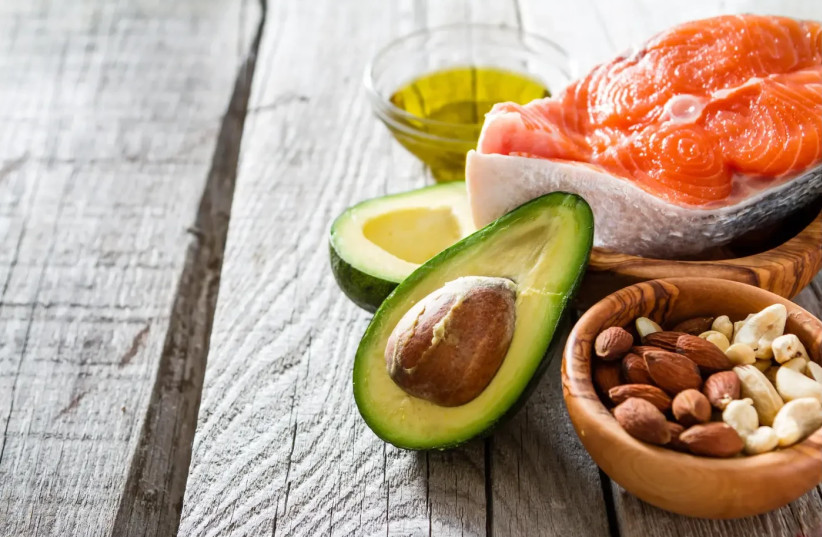
The Mediterranean diet focuses on vegetables, fruits, legumes, whole grains, nuts, and healthy fats, alongside moderate consumption of fish, poultry, and dairy products, and little red meat and sweets.
The researchers found that high consumption of vegetables (especially tomatoes, cruciferous vegetables, and leafy greens), nuts, and healthy fats was associated with a reduced risk of constipation – even after taking total fiber intake into account.
According to gastroenterology experts, it is not just about the amount of fiber. Whole foods provide bioactive compounds such as antioxidants and polyphenols, which support the microbiome (gut bacteria) and positively affect bowel motility.
When gut bacteria break down dietary fiber, they produce short-chain fatty acids – compounds that contribute to softening the stool, improving bowel motility, and reducing inflammation in the digestive system.
Surprisingly, the study found a link between wine consumption and a lower risk of constipation. However, experts emphasize that the effect may stem from alcohol’s impact on the digestive system, which sometimes causes diarrhea – and not necessarily from a real improvement in gut health.
Is it suitable for everyone?
It is important to note that this is an observational study, and therefore a direct causal relationship cannot be established. In addition, the study participants were mostly older health professionals, which limits the ability to generalize the findings to the entire population.
Experts also stress that constipation is not caused only by poor diet. Medications, hormonal changes, pelvic floor problems, and various medical conditions can also have an impact. Therefore, in persistent cases, it is recommended to seek medical advice.
Foods that may worsen constipation
A dietary pattern low in vegetables and fruits and high in ultra-processed food has been linked to constipation. Among the foods recommended to reduce:
Fast food
Refined sugar (cakes, sweets, sweetened beverages)
Fried food
Processed snacks
Processed meat (cold cuts, sausages, bacon)
White grains (white bread, white rice)
Saturated fats (butter, cream, mayonnaise)
When do you see improvement?
Improvement in bowel movements may appear within one to two weeks of switching to a plant-rich diet. However, deeper changes in the microbiome and in reducing inflammation require long-term consistency.
It is also important to increase fiber intake gradually. Adding too much too quickly may cause bloating, gas, and abdominal discomfort. It is recommended to allow the digestive system time to adjust.
If you suffer from chronic constipation, the solution may begin on your plate. A Mediterranean or plant-based diet – rich in vegetables, fruits, legumes, and whole grains – may contribute to more regular bowel activity and overall improvement in digestive system health.
Dining and Cooking