
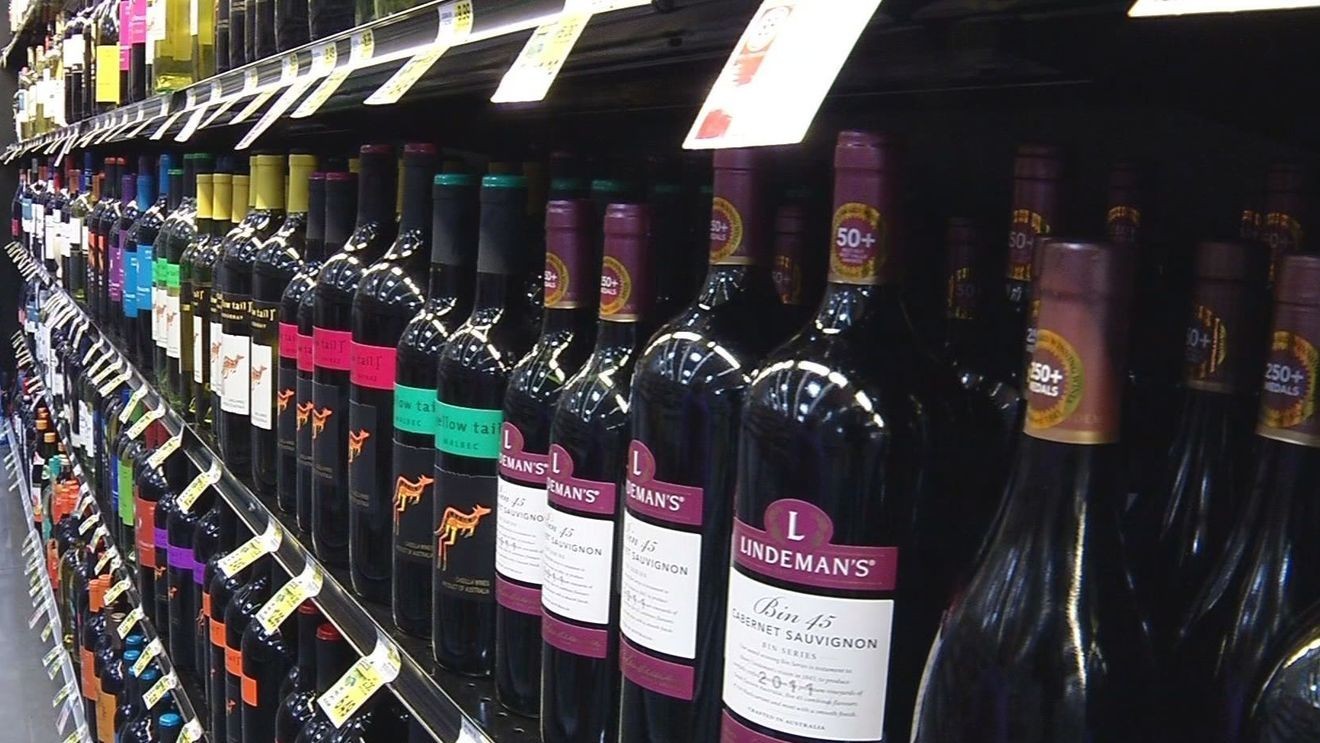
PULLMAN, Wash. — Messages such as “proudly made by a woman winemaker” can increase women’s intentions to purchase wine — particularly when paired with feminine imagery like flowers on the label — according to new research from Washington State University and Auburn University.
Women were also willing to pay higher prices for wines marketed with feminine cues, the study found.
ALSO SEE | Crushing It: Meet 5 women pouring passion into PNW wine
The findings are significant because women account for 59% of all wine purchases in the United States, said Christina Chi, a coauthor of the research and a professor of hospitality business management at Washington State University’s Carson College of Business.
Wine is often viewed as a cultural product in which the winemaker’s identity helps shape a brand’s image, Chi said.
Yet women winemakers are less likely than men to put their names on bottle labels or highlight their gender, a reluctance that may stem from concerns about prejudice in the male-dominated wine industry.
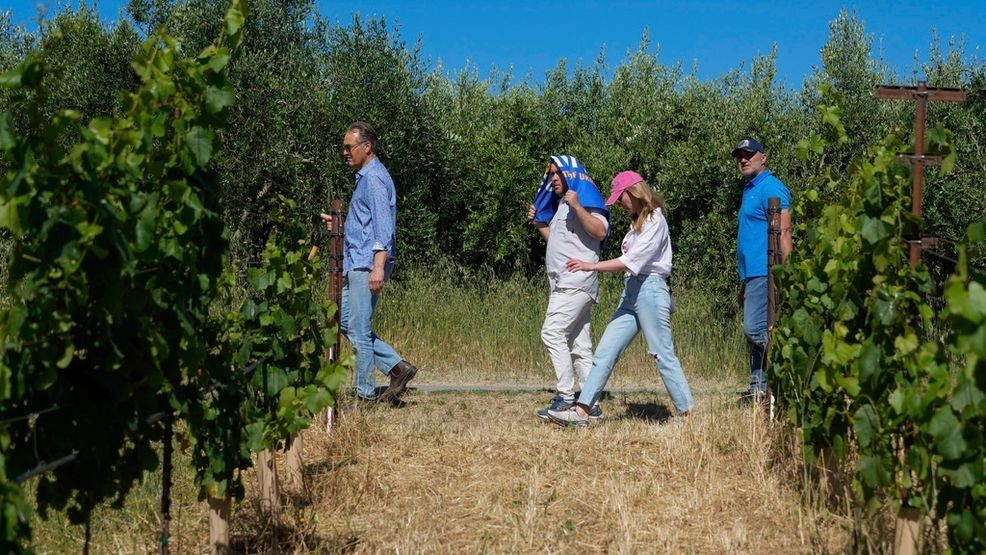
Ivo Jeramaz, left, gives a tour of a Grgich Hills Estate’s vineyard to visiting Ukrainian winemakers Wednesday, June 5, 2024, in American Canyon, Calif. (AP Photo/Godofredo A. Vásquez)
The most recent research, conducted in 2024, surveyed more than 1,000 women in the United States in a three-part study.
In the first phase, researchers replicated earlier 2024 findings on feminine cues in wine labels. Participants were shown a fictitious Columbia Valley red table wine with different label designs. Women reported higher intentions to purchase the wine when the label featured a bouquet of flowers rather than a masculine portrait. They also indicated they would pay $3.50 more per bottle — about $17.75 for wines with feminine labels compared with $14.25 for those with masculine cues.
In the second phase, researchers added a “woman-made wine” statement to the marketing materials. Purchase intentions were even stronger when both the statement and the feminine artwork appeared together.
In the final phase, photographs of women winemakers were included in the marketing materials. However, women were less likely to buy wines with feminine labels when images of female winemakers were shown.
Researchers said consumers’ decisions may have shifted from focusing on the “woman-made” message to whether they personally related to the women depicted in the photographs.
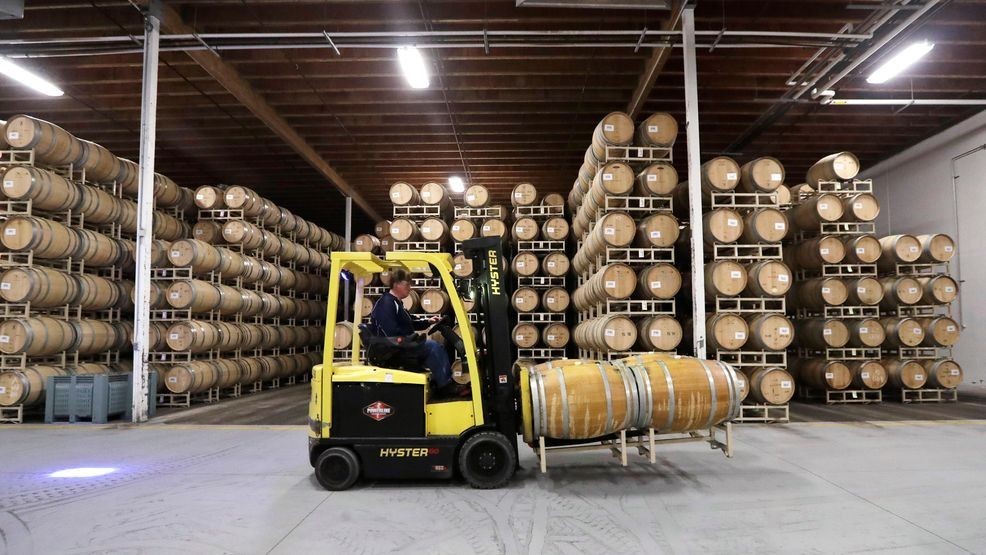
FILE- In this photo taken Thursday, Nov. 21, 2019, barrels of wine are moved into storage at Chateau Ste. Michelle Winery in Woodinville, Wash. (AP Photo/Elaine Thompson)
The studies also examined how the marketing strategies affected wines with masculine labels. Adding a “woman-made” statement significantly increased their appeal among women consumers.
When photos of female winemakers were included, women said they would pay $3 more per bottle for wines with masculine labels.
The researchers said the results suggest that subtle gender cues and messaging can influence purchasing decisions in a market where women make the majority of buying choices.
Dining and Cooking