
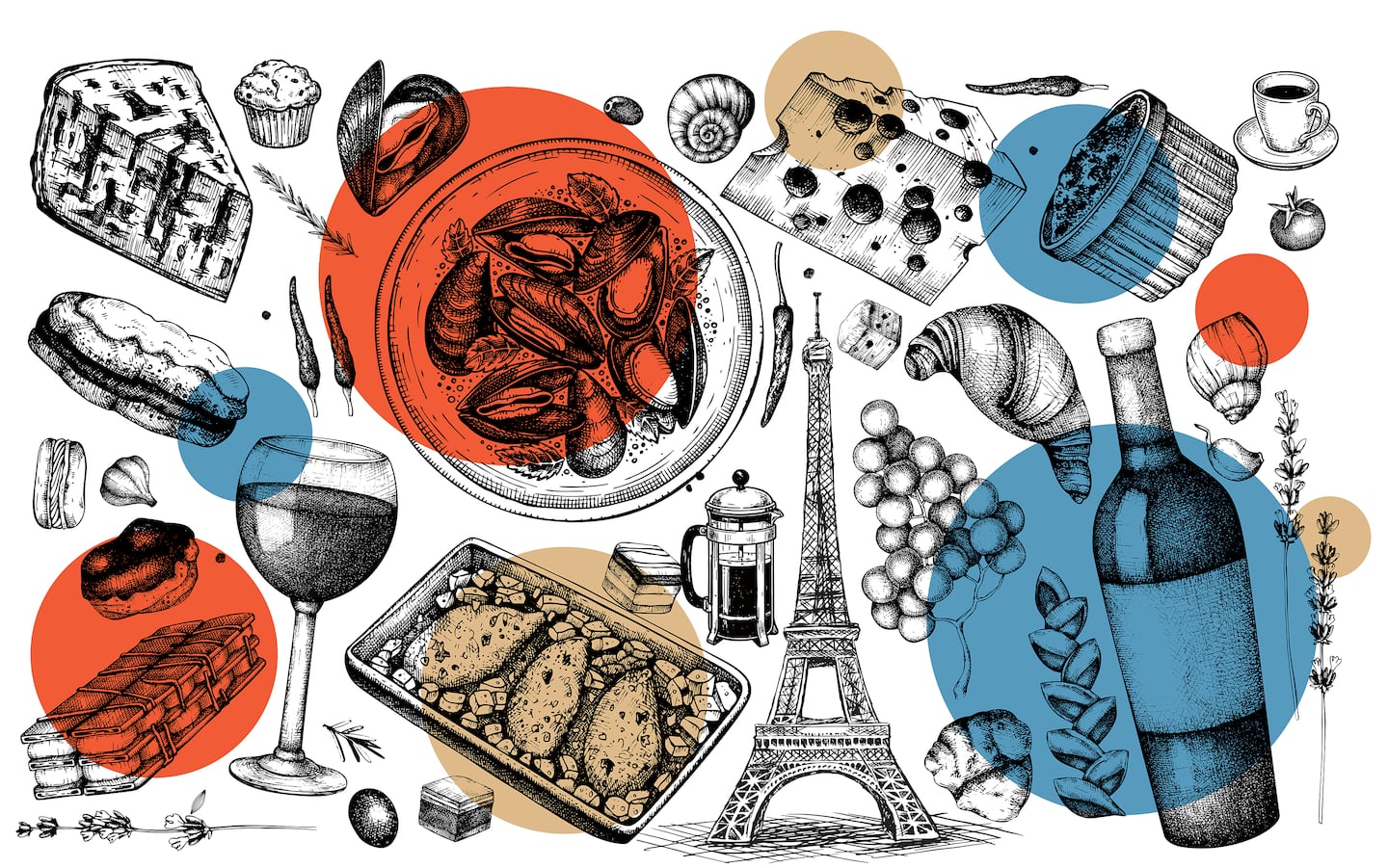
But, why France?
“What would you like to have in the afternoon? A whole fish in brown butter, with a martini? Like, yes,” said Jade Ayala, The Port of Call’s beverage director.
And they’re not alone in this quest to highlight the Parisian ways.
For decades, French cuisine set the standard for fine dining in America, starting for many chefs in culinary school. Then it lost its cultural dominance, edged out by small plates, global mashups, and the rise of anything branded “New American.” Butter sauces and white tablecloths began to feel stodgy, stiff, and even excessive. The entire class of traditional fine dining began to feel bygone, too European, and boring. Now? The pendulum is swinging back, and everyone wants a piece of it. French cuisine didn’t disappear, it just shed its stuffiness, and is now reemerging in a looser form, industry leaders say.
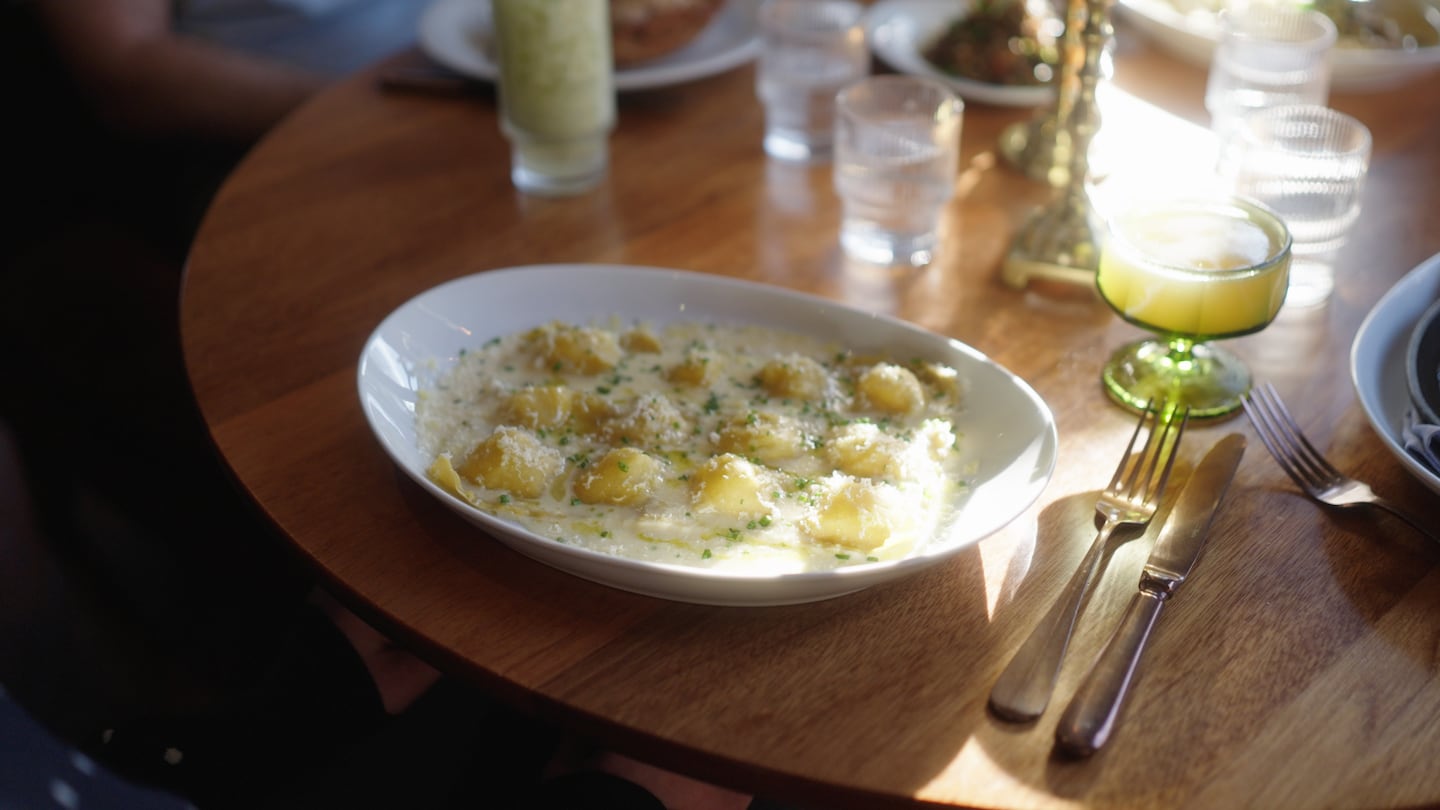 Ravioles du Dauphiné at The Port of Call in Mystic, Connecticut.Marcus Gram
Across New England and beyond, chefs are rediscovering the power of classic techniques, richness, and simplicity. The revival of the cuisine begs the question: How did French food fall out of fashion, and is it the next hottest thing again?
Reneé Touponce, The Port of Call’s executive chef, said she feels like there’s something about French cuisine that is comforting to diners.
“Slow eating, the rituals at the table, spending hours having a meal and enjoying each other’s company with the type of food that is very comforting… That’s French food,” said Touponce.
For much of the 20th century, French technique was the backbone of American restaurants. Culinary students were forced to memorize the mother sauces, and fine dining meant beurre blanc, foie gras, Champagne, and carts of desserts or cheeses wheeled through the dining room.
The dominance of Francophilia in American kitchens took hold in 1961 when the “Mastering the Art of French Cooking” was published by Simone Beck, Louise Bertholle and Julia Child, that then launched Child’s career in television. French restaurants were revived again in the 1990s with the help of celebrity chefs like Jean-Georges Vongerichten, Eric Ripert, Thomas Keller, Daniel Boulud, and Charlie Trotter.
Then came the casual revolution.
The grip of classic French techniques began to loosen sometime in the 2000s. Food culture in the United States, especially in hubs like New York City, was dominated by Italian, Asian, and pan-global concepts, said Guillaume Thivet, the executive chef at Grand Brasserie, the French restaurant in Grand Central Terminal’s iconic Vanderbilt Hall in New York. At the time, these cuisines were seen as more dynamic or trend-forward, he said, than the perceived formality of classic French gastronomy.
Standards like butter-soaked sauces and white tablecloths led many diners to view French dining as intimidating, too expensive, and old-fashioned, especially compared to more casual, spicy, or even bold street food styles.
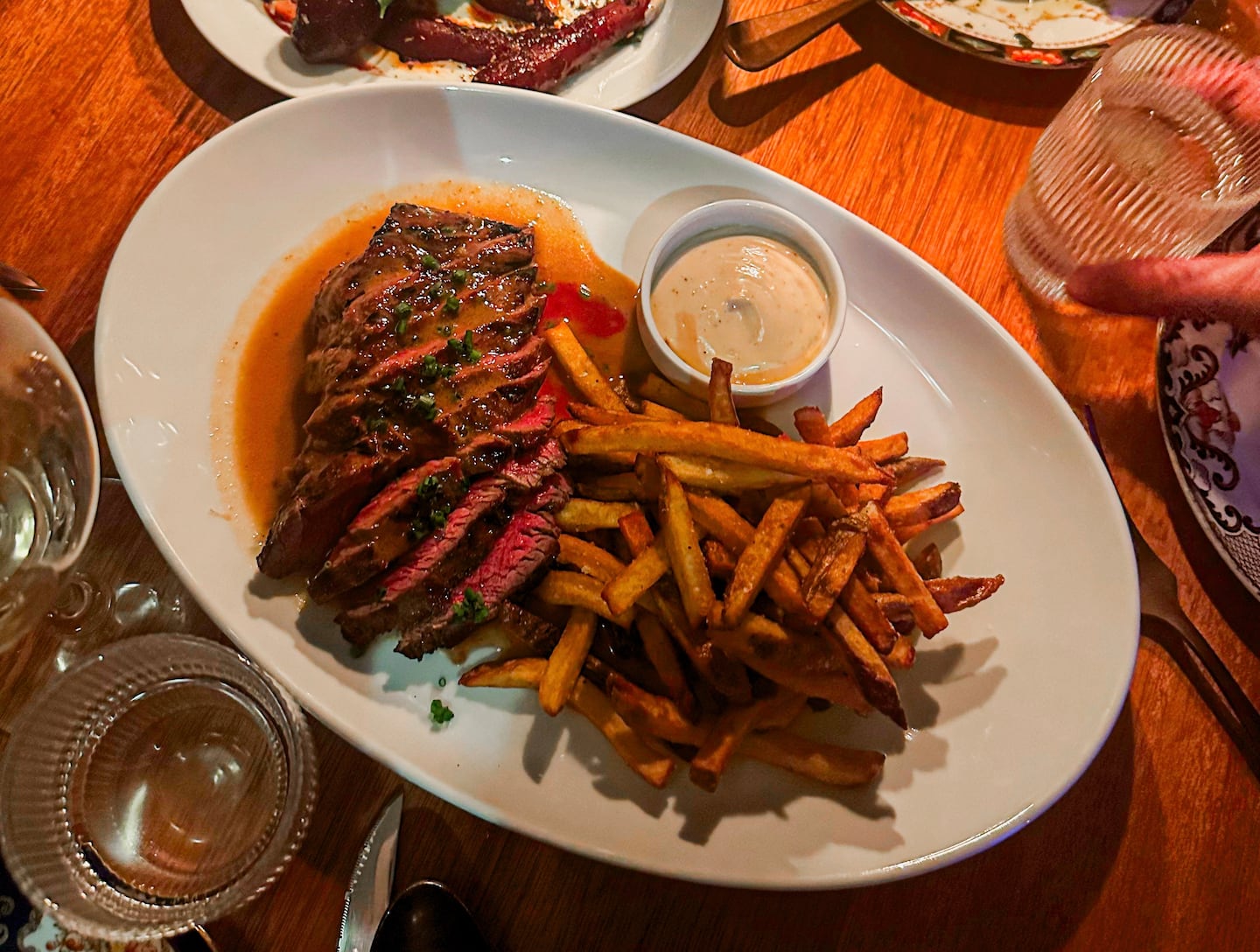 Steak frites at The Port of Call in Mystic, Connecticut.Alexa Gagosz
To many younger diners raised on funky small plates, French food felt rigid and outdated.
“Chefs in large cities like London or Tokyo built fame around pushing boundaries, creating a narrative that France was not evolving,” said Thivet.
Now, French bistro staples like blanquette de veau (veal stew), oeufs mayonnaise (hard-boiled eggs, halved and covered in a rich homemade mayonnaise), and île flottante (a classic dessert of poached meringue floating on crème Anglaise) are “being re-embraced as legible and joyful dishes, not dusty relics,” he said.
These new French restaurants are buzzy, martini-soaked dining rooms with plates of fries and oysters.
In New York, classic restaurants like Le Veau d’Or – previously a quiet dining room where you needed a suit coat, it once drew guests like Jacqueline Kennedy Onassis – are being revived. In 2025, it ranked No. 10 in the inaugural North America’s 50 Best Restaurants list. Boulud recently opened La Tête d’Or, a glamorous French-inspired steakhouse.
“People want to brush up against one another a bit more now,” chef Dennis Spina of Café Kestrel’s, another French restaurant reimagined, told Eater. “I want it to feel festive.”
Industry leaders say diners are craving familiar and recognizable dishes, such as steak frites.
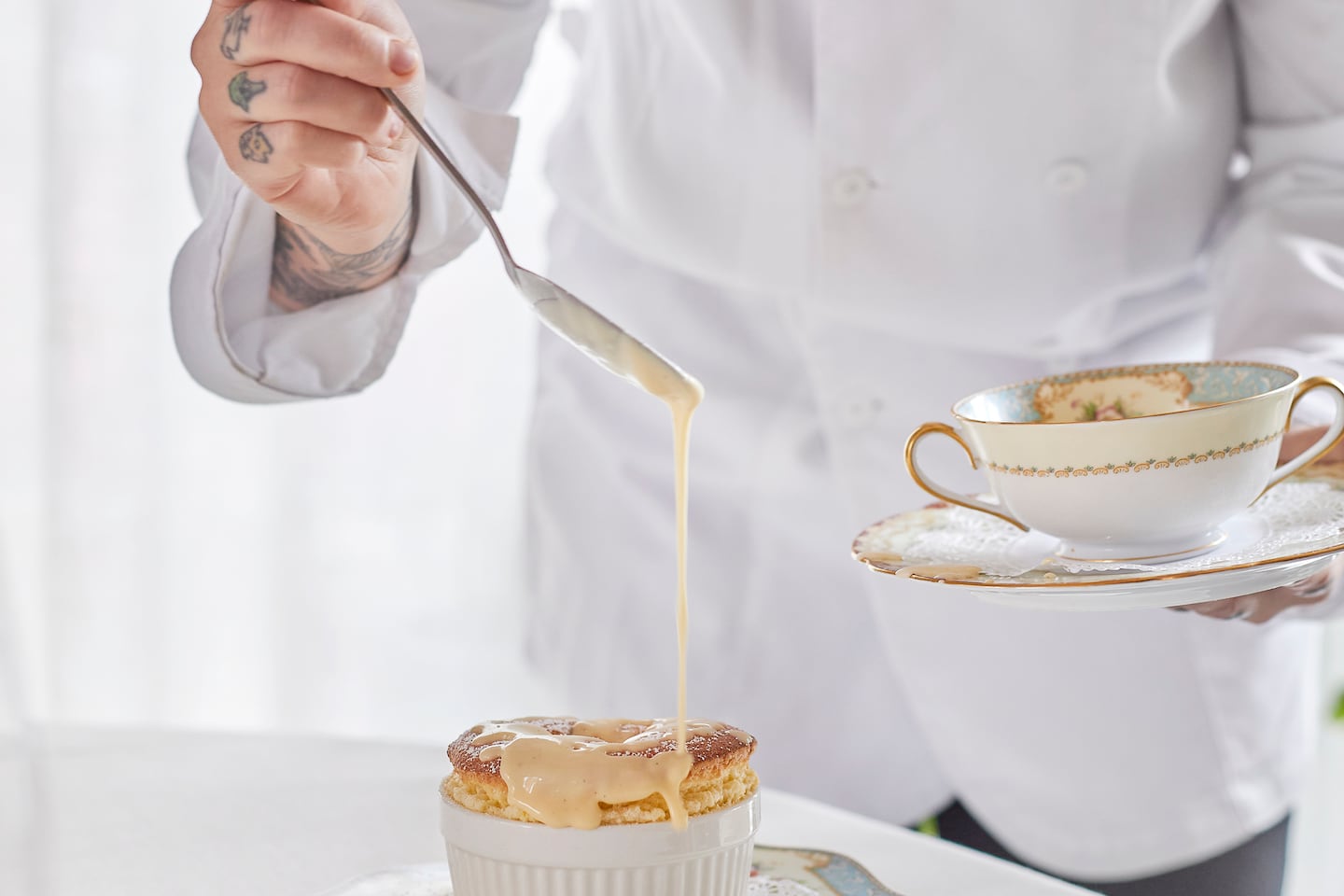 Chef Jasmine Watson prepares the Grand Marnier Souffle at Audette, a fine dining restaurant in Newport, Rhode Island. Watson is a 2026 James Beard Restaurant and Chef awards semifinalist.
In Rhode Island alone, a tiny state that punches above its weight in restaurants, plenty of French restaurants are becoming hot spots. Audette in Newport, for instance, became popular for its dramatic Grand Marnier soufflé and poulet en croute. Claudine — a high end, 26-seat tasting-menu restaurant in Providence by two Per Se alums — quickly became one of the hottest new restaurant of 2025. (It’s temporarily closed after a pipe burst in the building.) Mémère’s, a Quebec- and French-inspired restaurant, recently opened inside the Neptune hotel by the former owner of the Dorrance, who some local industry leaders consider “Providence’s original bon vivant.”
Littleneck Hospitality, the restaurant group behind Pizza Marvin and cocktail bar Club Frills, are also opening four new concepts inside Newport’s historic Hotel Viking, which is currently being renovated and will reopen this spring. One of those concepts is Pescadou, a playful Riviera-inspired seafood restaurant with pink booths and ceilings, and mint green chairs.
In St. Albans, Vermont, Cafe Monette opened in the last year serving classics like pâté de Campagne and tourtière.
In Maine, Chérie started as a pop-up and will soon open its own brick-and-mortar cafe in Portland, where they plan to serve a seasonal menu of French offerings, such as freshly baked breads, pastries, and bistro classics like pâtés and roast chicken. Alex Wright will open Elizabeth, a sexy, French-inspired wine bar, sometime in March. Marquis Lounge, also in Portland, opened earlier this month, where customers are reaching for caviar bumps, puffed pastries, and classic cocktails like the Sazerac.
“One of the things that’s really beautiful about the traditions of French food historically is its focus on simple ingredients done extremely well over generations without a lot of change,” said Marquis co-owner Meg Bartos, who lived in France for several years.
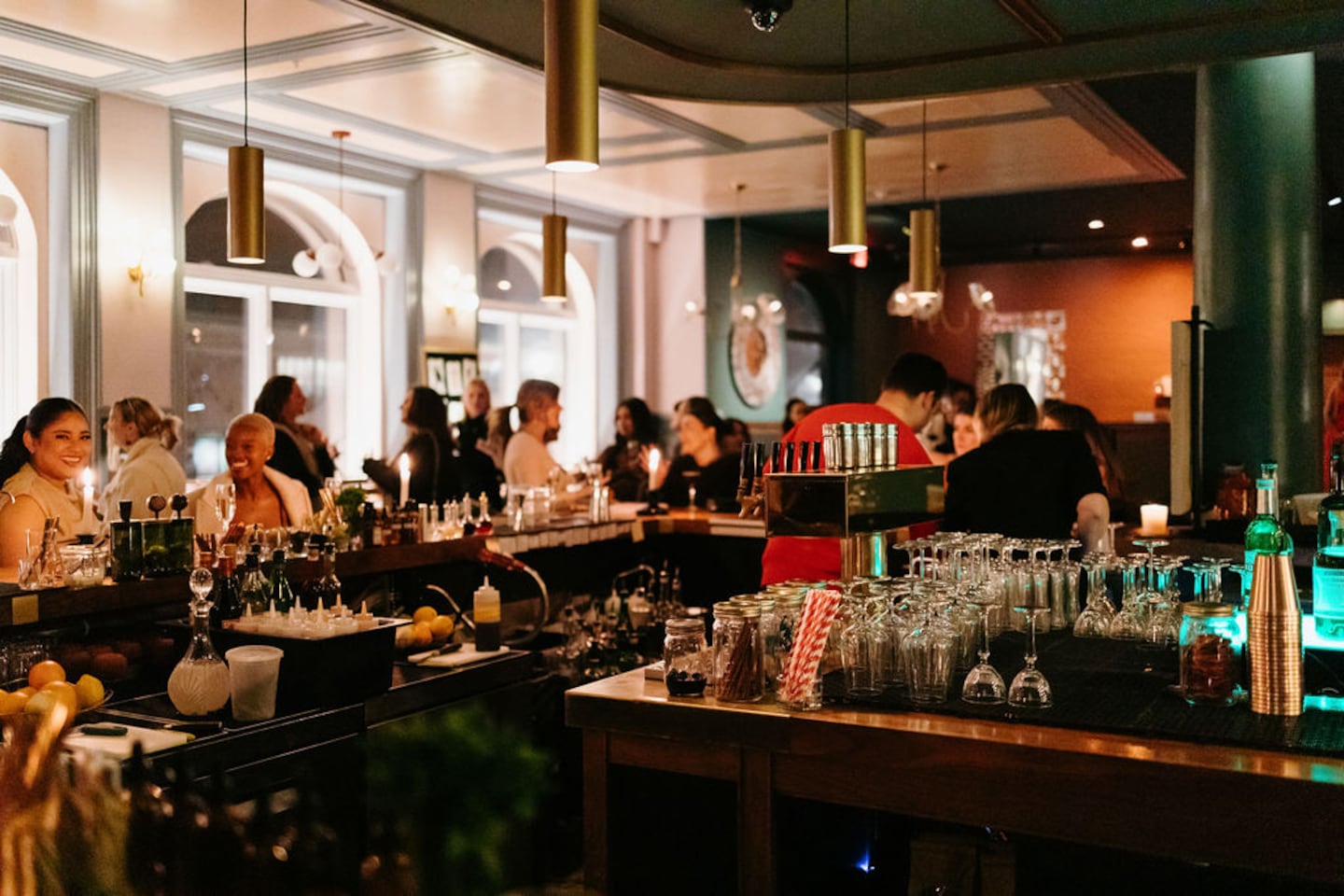 Inside of Marquis Lounge, a new French and New Orleans-inspired restaurant that opened in February 2026 in Portland, Maine.Sam Richards
In the midst of a tense political landscape in America “and chaos, I think it’s very natural that people are gravitating towards things that feel steady, unchanging, warm, and consistent,” Bartos said.
Bobby Maher, the executive chef and owner of Maison Cheryl, a French New American restaurant right outside of Washington D.C., said he has embraced that philosophy by combining classic French techniques and traditional dishes with Asian influences. That’s something chefs like Vongerichten have been doing for years.
French cuisine “remains the backbone of modern cooking and is still what most aspiring chefs study in culinary school,” said Maher. “There will always be a return to it.”
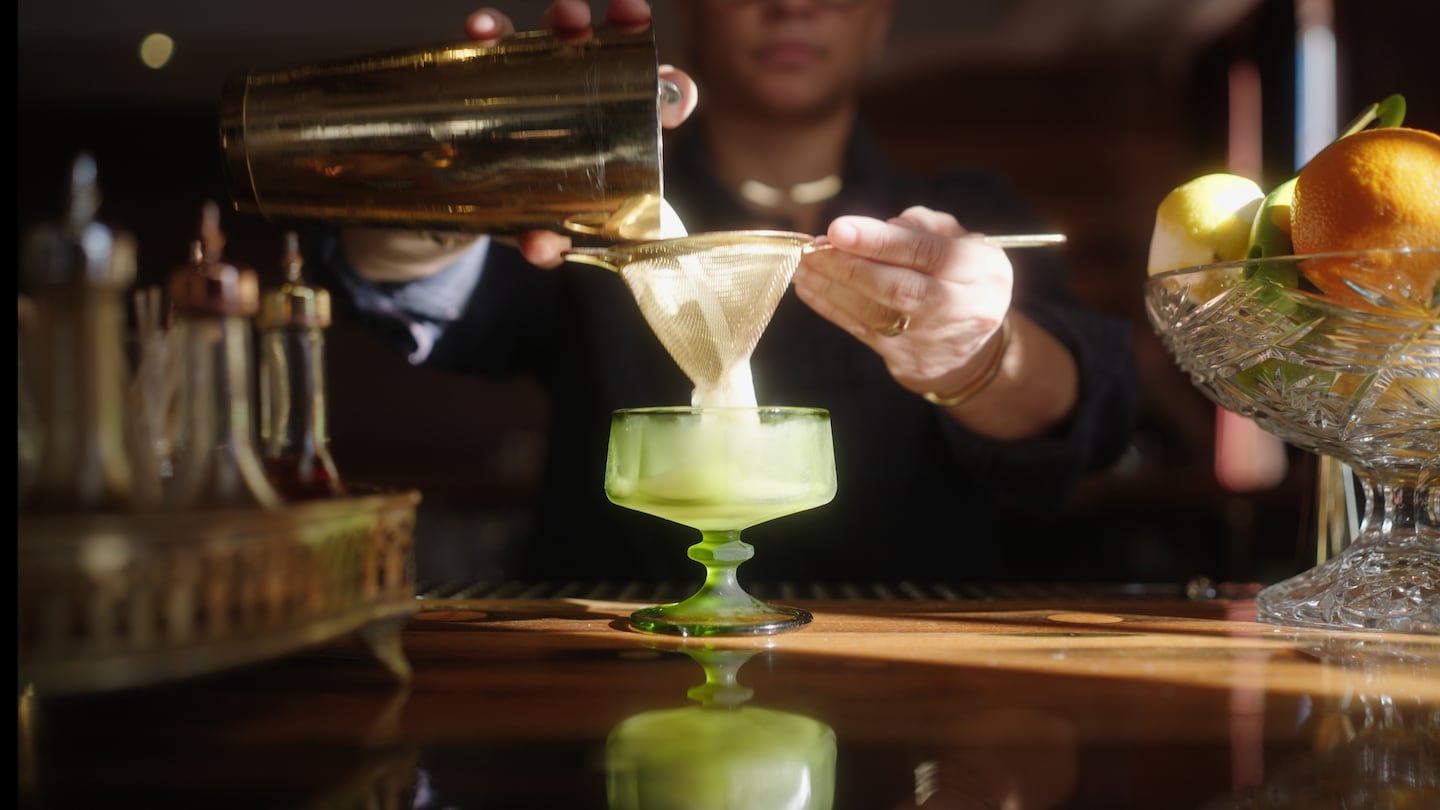 Beverage director Jade Ayala prepares a drink at The Port of Call, a restaurant in Mystic, Connecticut.Marcus Gram
Back in Mystic, Toupounce said The Port of Call’s 60 seats are easily doing 200 covers per night. The dining room has been humming, filled with guests who are ordering slipper limpets and oeufs mayonnaise in a part of the region that’s historically better known for lobster rolls and fried seafood baskets.
“People are in this moment, they’re excited about this shift… and the dining room is full,” said Touponce.
For Touponce, the appeal of a French meal encourages guests to linger a little longer. And it brings guests back to the table together.
“It’s about slowing people down,” she said.
You’re reading The Food Club, the Globe’s free weekly email newsletter about the restaurant scene in New England, and beyond. Get it sent to your inbox.
Alexa Gagosz can be reached at alexa.gagosz@globe.com. Follow her @alexagagosz and on Instagram @AlexaGagosz.
Dining and Cooking