
Credit: Bob Sacha / Getty Images
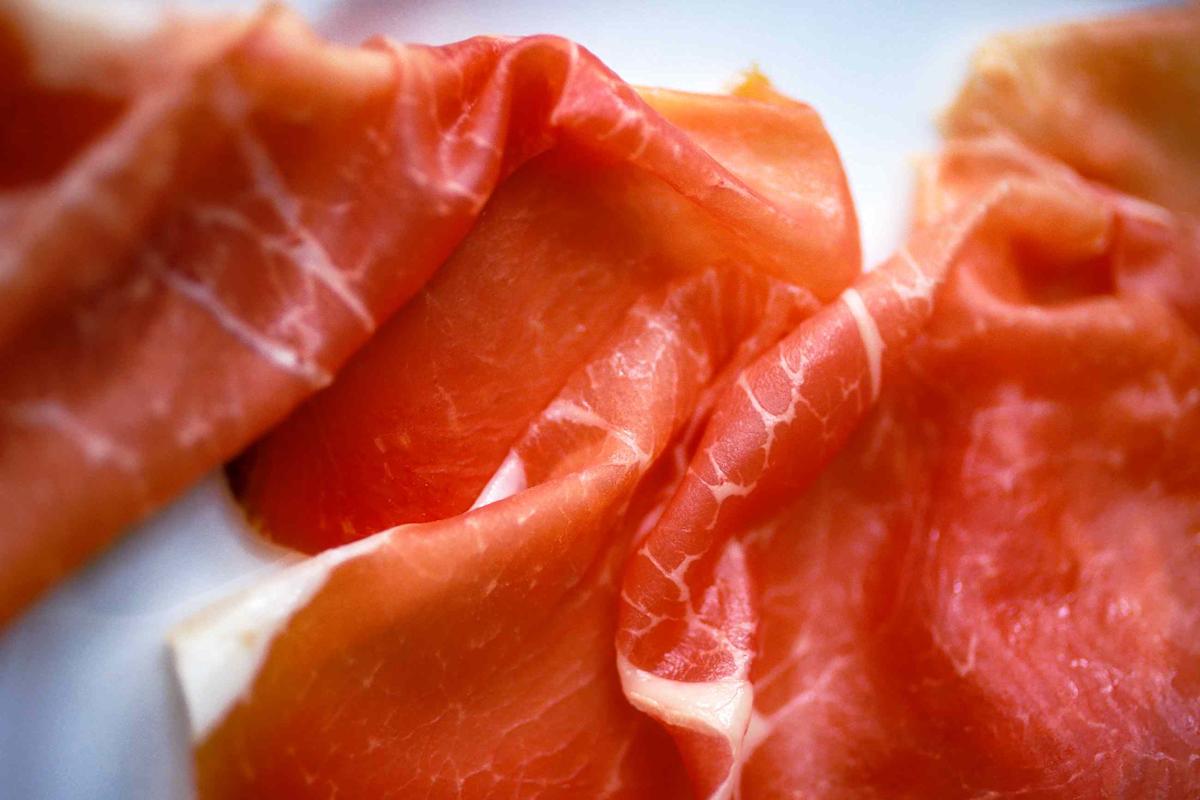
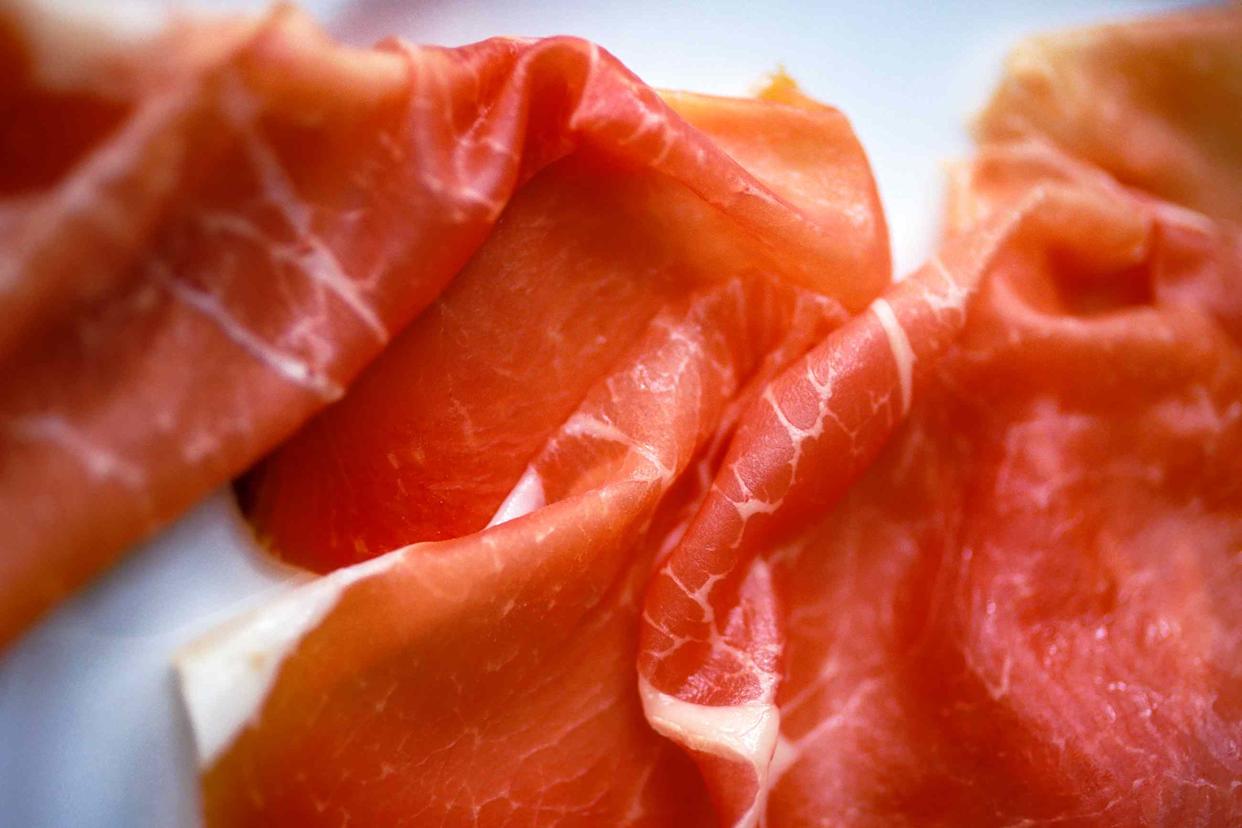
For as long as pigs have roamed the Italian countryside, Prosciutto di Parma has reigned supreme over the international delicatessen. No respectable Italian antipasto platter is served without the mild, sweet cured ham, which is a European Union–designated PDO (Protected Designation of Origin) product. (In Italy, it’s known as DOP, or Denominazione di Origine Protetta.) And Parma has another delicious PDO-designated salume: Culatello di Zibello.
Found in northern Emilia-Romagna, the same food-infatuated region that gifted the world with prosciutto and Parmigiano-Reggiano, culatello is a small-batch and small-in-size salume made from the choicest section of the thigh muscle, from the rear to the inner leg. The production process hasn’t changed much in the last few centuries, requiring little more than time and patience.
First, the meat is massaged with black pepper, garlic, and an unholy amount of salt. The cut is then wrapped in a clean pig’s bladder — much like the use of intestines as a casing for a sausage — and neatly hung in a natural cord net to cure for at least 10 months in a dank cellar where climate and humidity are controlled by the methodical opening and closing of small windows. Aging in a cold-wet climate along the banks of the Po River is essential: It allows mold to develop over the culatello casing, lending the meat its complex flavor.
At Antica Corte Pallavicina, one of just 23 producers in eight towns certified to make culatello, cellars have turned out artisanal salumi for roughly 700 years. In their depths, 5,000 hams hang like porcine piñatas, forcing curious visitors to duck as they wind through swaying rows of meat. The smell of the mold can feel overwhelming, but hand-sliced and served alone or over hot gnocco fritto (fried bread), the taste of the final product is much more appetizing. Where prosciutto softens, culatello melts away. Velvety and lardo-like in texture, the meat breaks apart in your fingers and mouth, leaving behind a funky, briny quality that makes other salumi seem one-note in comparison. The older the culatello, the earthier its properties, much like a well-aged cheese.
Related: 14 Italian Cheeses Every Cook Should Know, From DOP Icons to Sleeper Hits
With so few suppliers, there are plenty of connoisseurs around the world clamoring to stock up on this Italian delicacy. Antica Corte Pallavicina counts Alain Ducasse, King Charles, and George Clooney among its many fans. The rest of the world is starting to catch on, too. Despite its storied background, culatello began appearing in United States shops starting in 2017 when regulations became more favorable. Now, it’s possible to buy the real thing at Italian specialty stores such as Di Palo’s Fine Foods in New York City, Eataly, or even online.
Beware of imitations: Some salumerias in the U.S. make an unofficial version aged in climate-controlled rooms. But it’s impossible to create true culatello outside of Parma’s lowlands, the only place you can find a crucial, hyperlocal ingredient: Po River fog. By enveloping the area where the meat is cured, the fog naturally guides the cellar molds and environment needed to perfect culatello’s flavor. Purists — and the Consortium of Culatello di Zibello — claim that the closer to the river, the better the culatello. Across the Atlantic doesn’t quite make the cut.
Read the original article on Food & Wine
Dining and Cooking