
Credit: Getty: miniseries
When you spend years cooking, you pick up on a handful of culinary rules generations of home and professional cooks have obeyed. Even if you don’t know why these rules exist, they become part of the way we all cook and eat. But which of these culinary rules are still relevant today? Which ones can we dismiss? Well, I reached out to three professional chefs to see what they think.
These three chefs share their kitchen ethos, and the rules they break in their restaurants and at home. So if you’re looking for permission to break a few well-established culinary rules—here it is. If the pros can do it, we can do it too.
1. Drinking Your Coffee Freshly Brewed
Credit: Getty Images
There’s nothing better than the smell of freshly brewed coffee in the morning. But according to Des Moines-based chef and restaurateur George Formaro, you don’t need to be so diligent about drinking your coffee while it’s still piping hot in your carafe. Instead, he suggests nixing that rule and letting your coffee open like wine.
“Freshly brewed is best. Except, not for me,” says Formaro. “Coffee that has been brewed and then allowed to cool often opens up, much like a bottle of wine in my opinion. Harsh edges soften, sweetness comes forward, and bitterness settles down. So go ahead and make it early. A gentle reheat gives you optimal flavor for that first cup or two before you leave the house.”
2. Following Italian Pasta Rules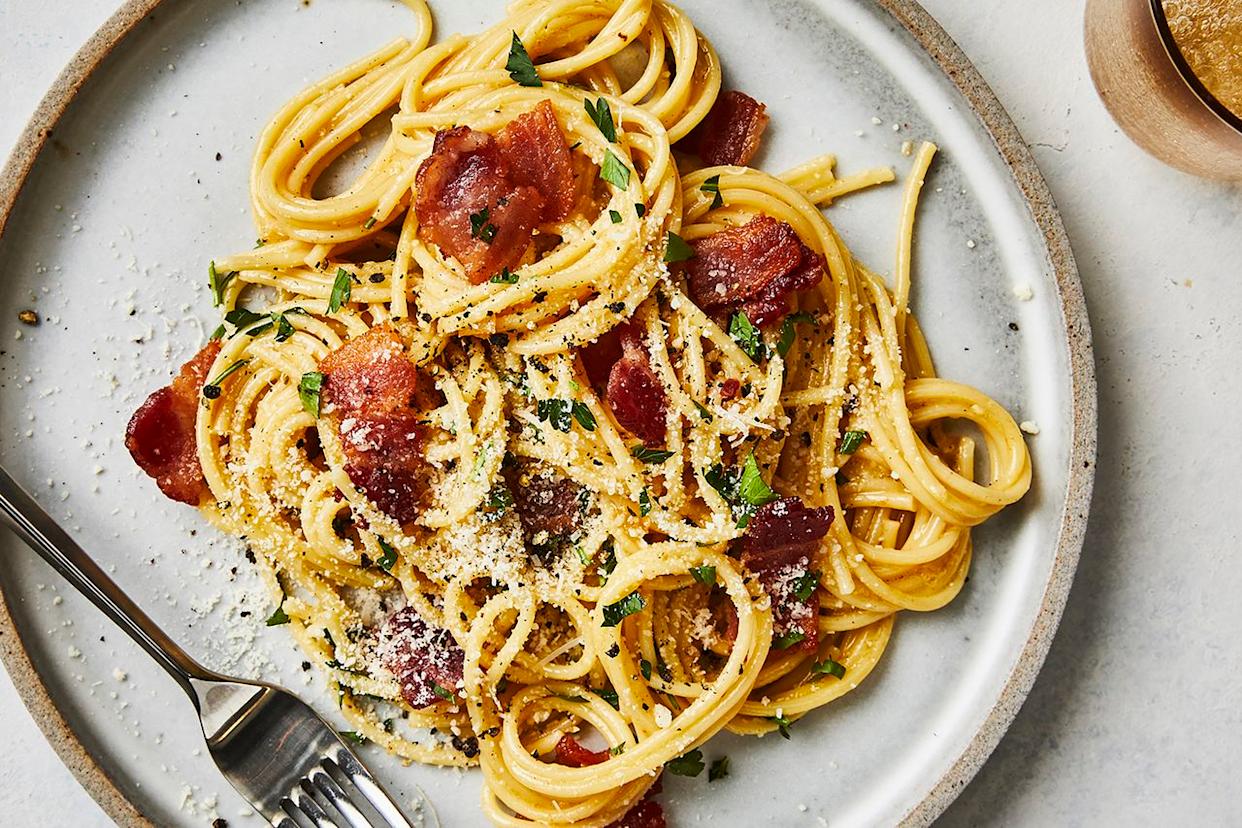
Credit: Dotdash Meredith Food Studios
There are a lot of rules when it comes to making food in an authentic way—and classic Italian pasta dishes are no different. Chef Formaro believes you don’t always need to stick to rigid rules, and it’s okay to put a spin on dishes like Alfredo and carbonara.
“I study food on a historical level,” says Formaro. “And I mean really study it. Mining everything that exists about a dish, tracing its evolution, understanding how it moved through time and place, and then deciding where in that history I personally want to drop my pin and move forward. That is why the word authentic is tricky for me. Authentic to what moment? What region? What circumstances?”
For dishes like carbonara, Formaro states that substituting bacon, adding onion, garlic, and even peas doesn’t diminish the spirit of the dish.
“I do not see that as bastardization,” he shares. “For certain moments in time and place, I see that as culinary innovation. A dish is not frozen the moment it is named. It keeps walking.”
Carbonara isn’t the only dish that he adjusts. Variations on Alfredo that include garlic, white wine, butter, pasta water, white pepper, cream, or a grating of fresh nutmeg are “pure heaven in my book,” according to Formaro. “The spirit of the dish remains, even as the details shift.”
3. Avoiding Cheese in Seafood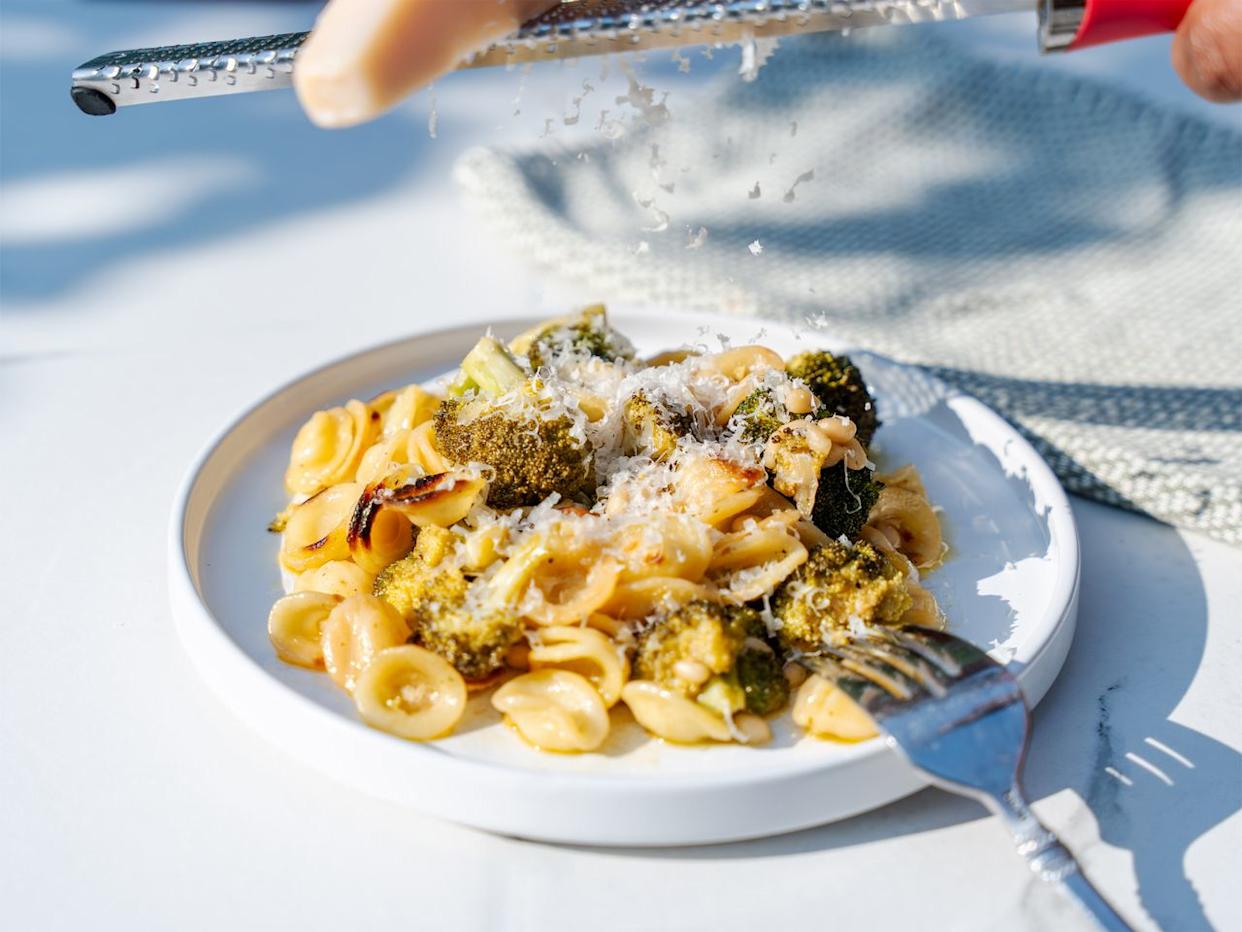
Credit: Ashia Aubourg
This is a culinary rule I grew up with, but I never agreed with it—what do you mean I can’t add some Parmesan to a steaming bowl of seafood risotto?! Turns out, Chef Formaro agrees.
“This is a rule I never quite understood,” he explains. “I once had a mussel pizza in Nice. Tomatoes, pesto, cheese, mussels, and more Parmesan cheese. It completely opened my eyes to the possibilities. Cheese and seafood absolutely go together. I will die on that hill.”
He suggests trying cheesy baked oysters or lobster arancini to see just how delicious the combination can be. “The rule is not universal,” he states. “It’s contextual.
4. Only One Cook in the Kitchen
Three-time James Beard Award nominee and executive chef of Milwaukee’s Amilinda, Gregory León, is breaking the rule of kitchen hierarchy. He doesn’t believe there’s just one voice that should rule a kitchen—it’s really a team sport.
“One kitchen I break regularly is the idea that the executive chef should be the sole creative voice on the menu,” he states. “In many traditional kitchens, menu development is treated as top-down and tightly controlled. At Amilinda, I intentionally do the opposite.”
He invites his sous chefs, chef de cuisine, and chefs de partie to actively contribute ideas, techniques, and dishes. “My role as executive chef is to guide, edit, and shape those ideas so they align with our identity, seasonality, and standards—but not to silence them,” he states. “Creativity doesn’t thrive in a vacuum, and some of the strongest dishes on our menu have come from collaborative dialogue rather than a single author.”
Home cooks can heed León’s advice, too. At home, one person often defaults to being the cook.” But León’s philosophy suggests something different: the meal doesn’t have to be one person’s vision. Instead of one person planning the menu and executing everything while everyone else is waiting to be served, try shifting the process.
At-home collaboration is much simpler than in a professional kitchen, but just as meaningful. Break up meals throughout the week, sharing the load and the creative process. Let a partner or a child choose a side dish and help bring it to life. Small tweaks can help shift dinnertime into a shared project.
5. Seasoning Your Food Once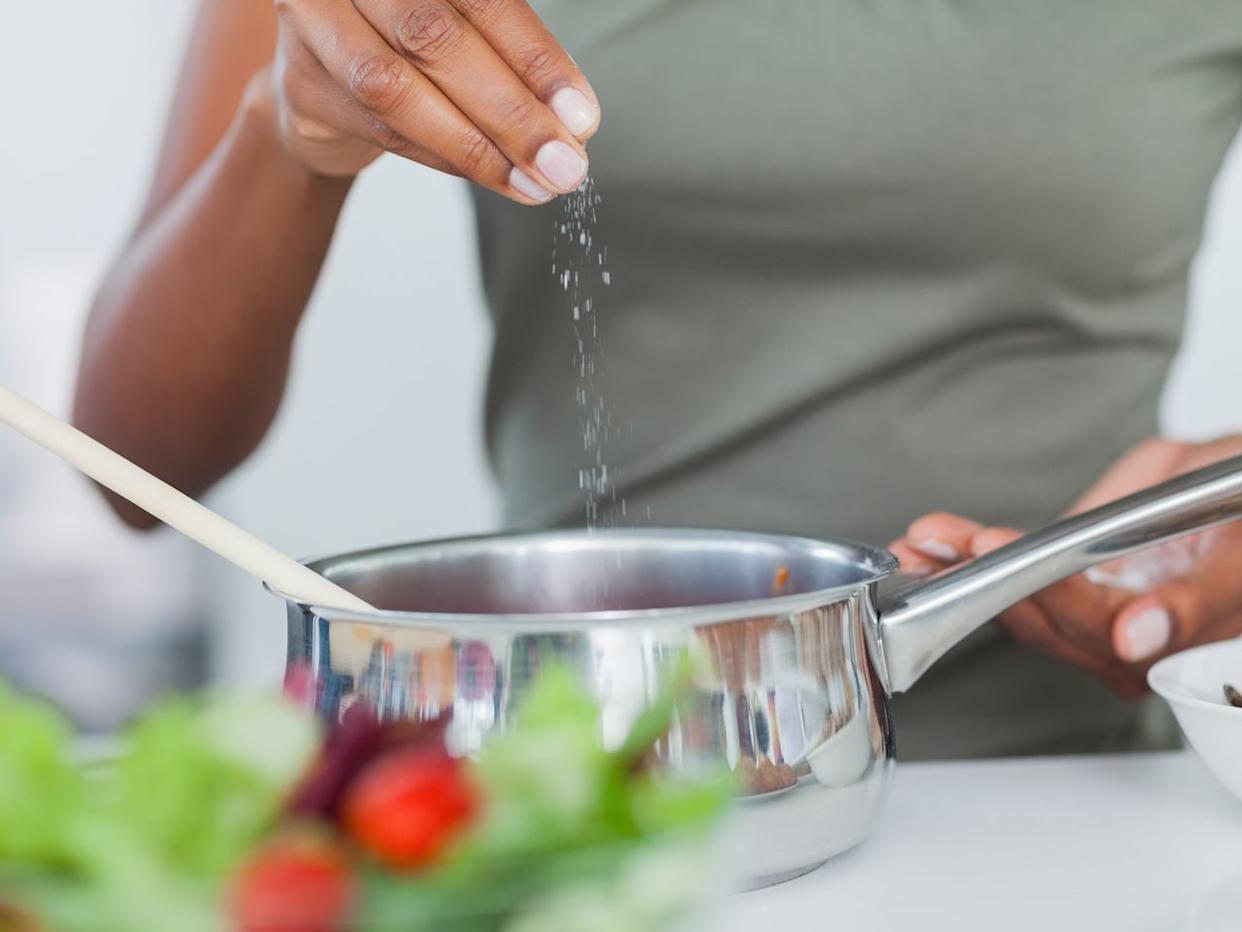
Credit: Wavebreak/Getty Images
You may have heard the old rule that you should season your dish just one time. Turns out, that rule is actually more hurtful than helpful.
“I don’t think that you can season a dish just once at the start, and that’s it,” says Audrey Plant, co-founder of Winn Winn Cafe in Columbus, Ohio. “In my kitchen, I follow a different approach: seasoning in layers from the beginning to the very end. Flavors develop as food cooks, and building seasoning gradually makes everything taste more balanced and flavorful.”
She adds that dishes are rarely over-seasoned, and more often need a little pinch of something—salt, acidity, fat, sweetness, or freshness for the dish to “really shine.”
“A pinch of salt, a squeeze of lemon, a splash of vinegar, or some fresh herbs at the right moments can completely lift a dish,” she says. “For me, seasoning isn’t about following a strict rule. It’s about tasting as you go, paying attention, and letting the food guide you.”
If professional chefs break these rules, we can too! Skirting these old rules helps keep things fresh and alive in the kitchen—and can even make dinnertime a little easier. So let’s throw out that old rulebook and make our own.
Read the original article on Allrecipes
Dining and Cooking