
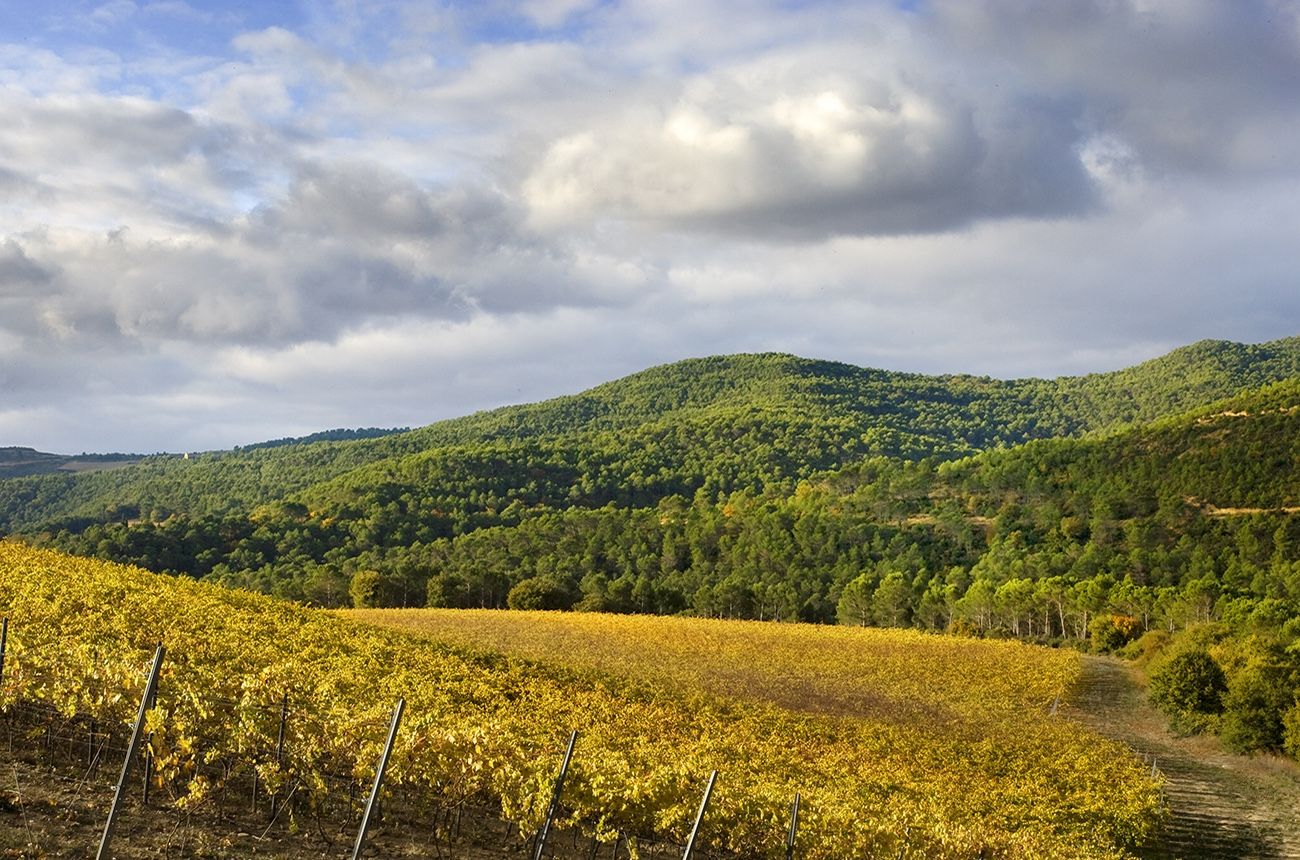
It’s certainly not easy to carve a place as a region predominantly of red wines while sitting adjacent to Rioja – whose northeastern edge indeed lies within the autonomous administrative region of Navarra.
But the DO of the same name, its landscape and people all have a dramatically different character to that of its hegemonic neighbour.
But it’s also worth exploring – and understanding – some of its other gems, such as characterful red blends and exquisitely balanced sweet Moscatels.
Mountain soul
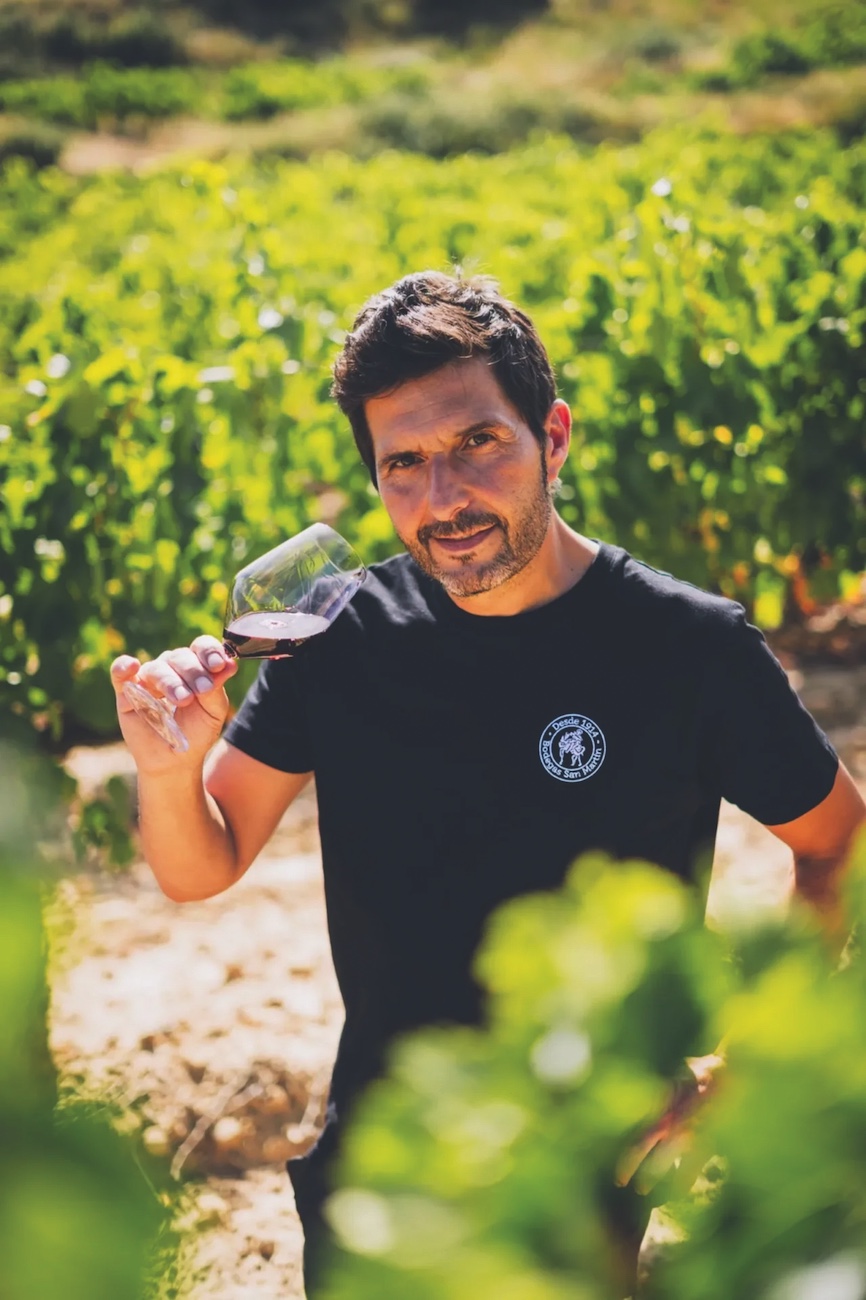
(Image credit: Gonzalo Celayeta)
In a rush to respond to Rioja-driven consumer recognition, Tempranillo plantings in Navarra grew rapidly during the 1990s, making it the most planted variety.
Yet the grape with the longest tradition in the Navarra landscape – and the one known for being best adapted to it – is Garnacha.
In the past decade the region has sought to realign itself with this heritage by carving a place within the ongoing Spanish Garnacha renaissance.
And in an interesting turning of the tables, Rioja producers are now looking at Navarra for clues as to what role Garnacha can play (again) in their own region; the variety was once Rioja’s most-planted variety, too.
As highlighted by the selection that follows, Navarra’s Garnachas have a character very much of their own – earthier and more assertive than the celebrated, more ethereal examples from Gredos in the mountains west of Madrid.
They represent the other end of the spectrum of the variety’s diverse, fascinating potential in Spain – so different in structure and aromatic profile yet equally balanced and world-class.
Most of the Navarra region’s top producers define their expressions as ‘mountain Garnacha’; an apt way to describe the wines’ profile.
Perhaps one could even be more specific: ‘Pyrenean Garnacha’ might be even more accurate.
This applies to both reds and rosés, the latter showing a textural moreishness and aromatic nuance that truly sets them apart (not least in the superb oak-aged iterations).
Beyond Garnacha
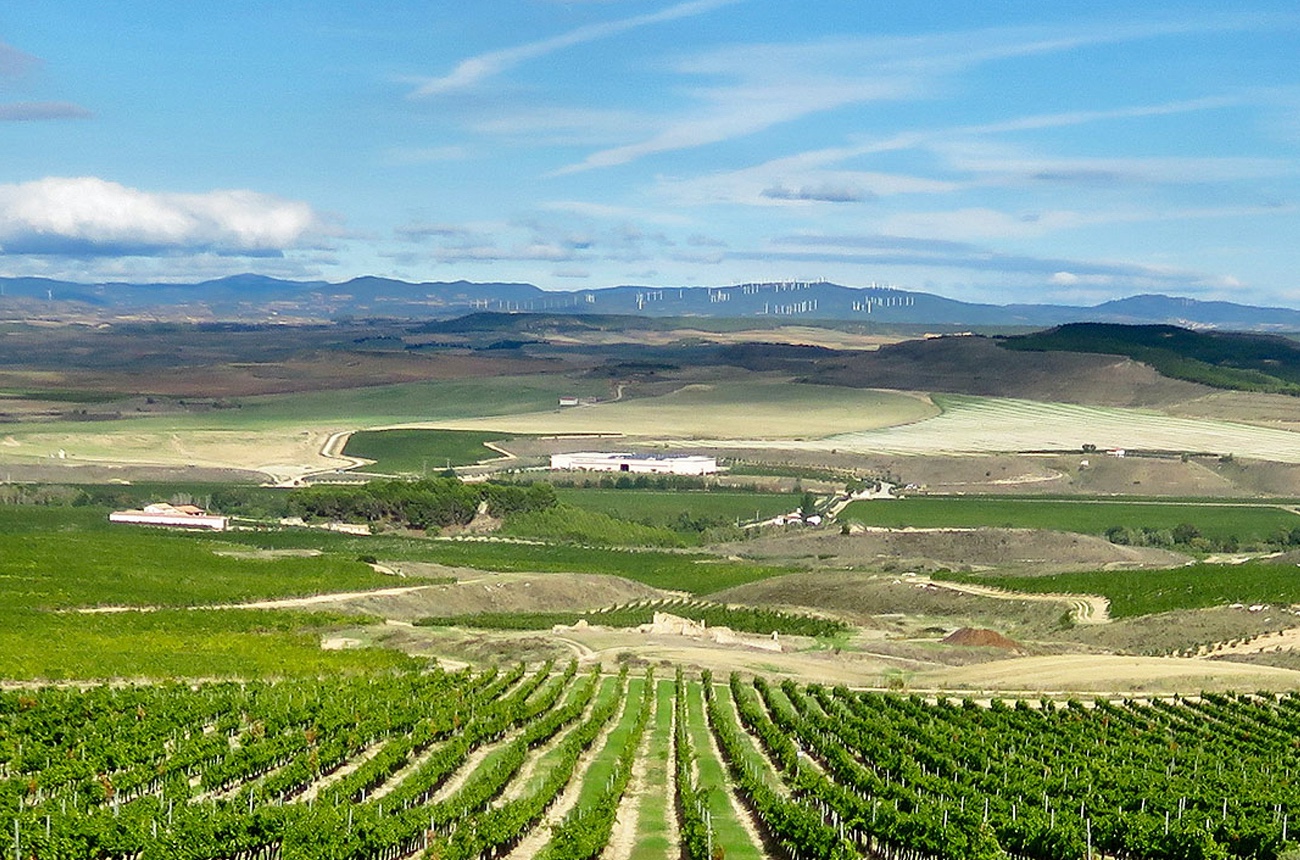
(Image credit: Inurrieta)
Although Navarra expresses itself best through its Garnachas, with their elegant rusticity and tannic poise, other red varieties benefit equally from the region’s rugged sophistication.
The longstanding presence of international varieties might have hindered Navarra’s position in both the domestic and international markets in the late 20th century, but these – and Chardonnay, Cabernet Sauvignon and Merlot in particular – have long been more than a curiosity.
Unlike other regions across the Iberian peninsula, their presence in Navarra in numerous cases pre-dates the craze of the 1970s and ’80s.
Chardonnay, for example, is thought to have arrived in Navarra, from Burgundy, as early as the 1200s.
Some ‘Navarra blends’ bring out the same rustic, textured tannins and mountainous depth in Cabernet Sauvignon and Merlot – some hailing from vineyards tended to by the same families for several generations.
This is an interesting if challenging moment for Navarra, against the backdrop of tough market conditions, at a time when bigger retailers are consolidating their portfolios in favour of the ‘usual suspects’.
But this is also a time when opportunities open for the kind of no-nonsense, authentic wines the region’s best producers deliver – wines with a sense of place and a strong Navarrean soul.
A selection of Navarra’s finestRelated articles
Four small Spanish regions with famous next-door neighbours
Comando G: The craft of Garnacha
Dining and Cooking