
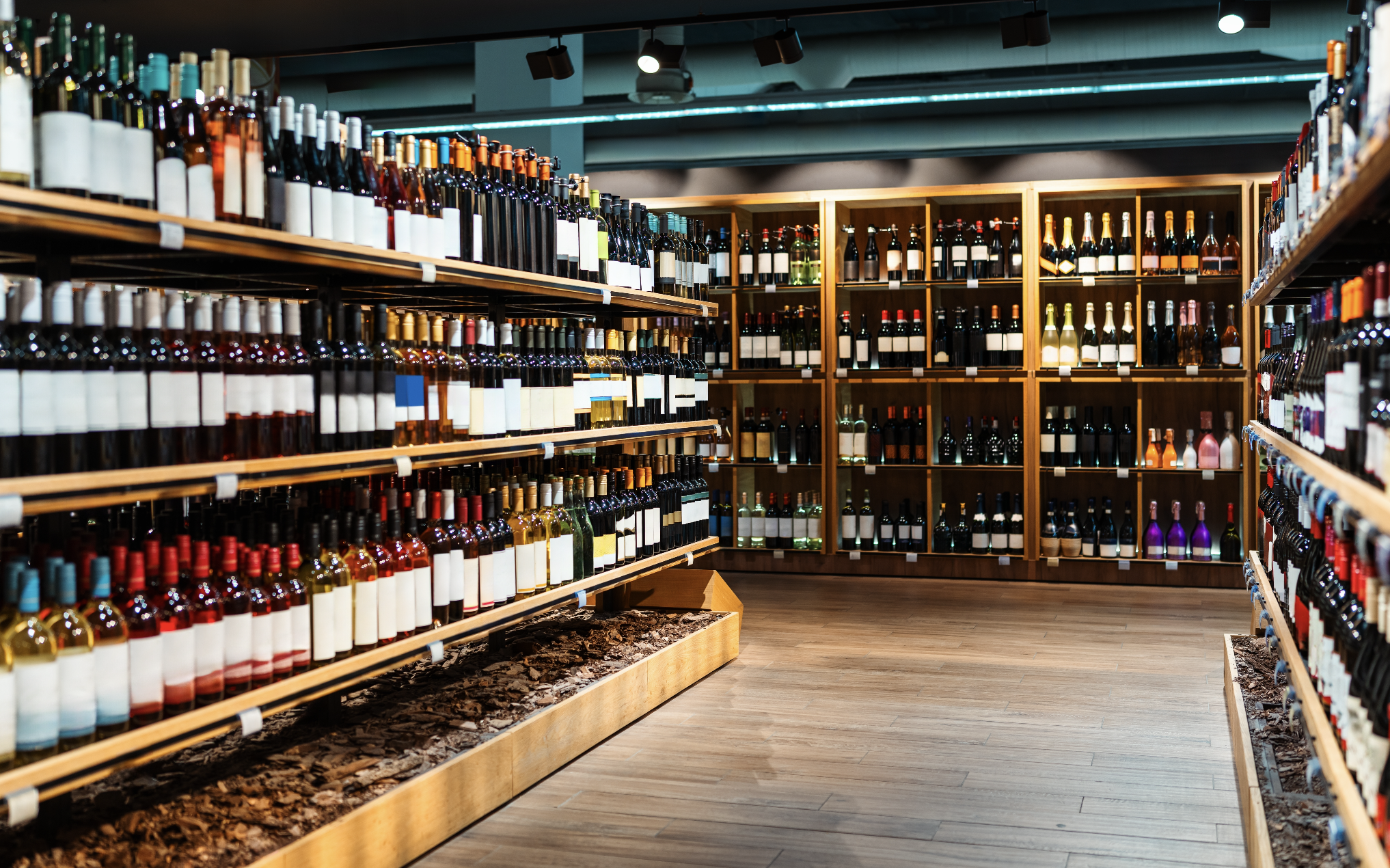
Chicagoans picking up a bottle of wine for dinner or a six-pack for a house party may notice their receipt looks a little different this week.
As of Sunday, a new 1.5% Chicago liquor tax is officially in effect. The change, announced by the city’s Department of Finance and delayed two months to give retailers time to prepare, shifts how alcohol sold for off-premises consumption is taxed.
Essentially, if you’re buying booze to take home, you’re now paying an extra 1.5% of the retail price at checkout. Here’s how it breaks down:
If you’re at a liquor store, grocery store or convenience store
The new tax applies to alcohol purchased for consumption elsewhere from where it’s sold. That means your neighborhood liquor store, the wine aisle at Jewel or the cooler at your corner bodega.
The 1.5% is calculated based on the retail purchase price and is added at checkout. So if you spend $50 on spirits and wine, the new city tax adds 75 cents to your total—on top of existing state and local sales taxes.
This replaces the city’s previous per-gallon tax model, which was charged earlier in the supply chain. Now, it’s more visible and it’s directly tied to what you spend. Retailers are required to collect the tax at the time of sale and remit it monthly to the city.
If you’re at a bar or restaurant
If you’re ordering a cocktail at your favorite Logan Square bar or splitting a bottle of wine at a West Loop restaurant, this new 1.5% tax does not apply.
Alcohol sold for on-premises consumption—meaning you’re drinking it where you bought it—continues to be taxed under a different system. Distributors will still collect and remit per-gallon taxes for alcohol delivered to bars, restaurants and other venues licensed for on-site drinking.
So your martini is already taxed, just not under this new rule.
If you’re ordering direct-to-consumer
Wine club shipments and other direct-to-consumer alcohol sales delivered to Chicago addresses are also subject to the new 1.5% tax as of March 1.
The bigger picture? Illinois already collects hundreds of millions annually in liquor taxes at the state level, part of the $3.47 billion it brings in from so-called “sin taxes” on alcohol, tobacco, cannabis and gambling. The new Chicago tax is separate and city-specific. Essentially, drinks out stay the same (for now), but your take-home bottle just got a tiny bit pricier. Cheers to reading the fine print.
Dining and Cooking