
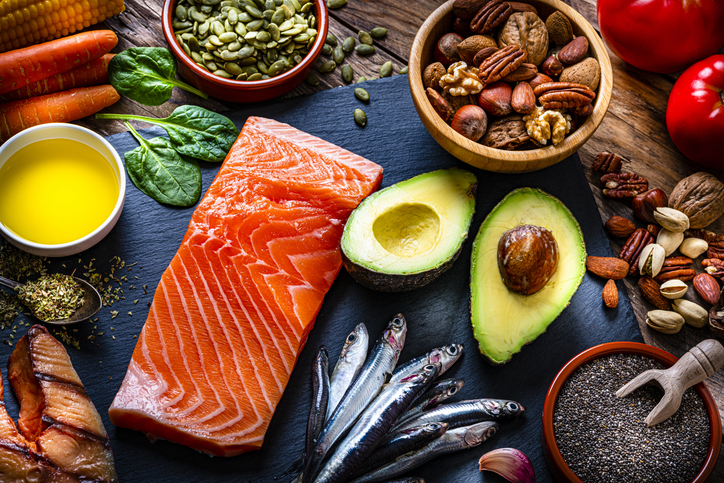
The Nutrients (2025) study shows that following a Mediterranean diet and a mixed food pattern during pregnancy is very effective in lowering the probability of early-onset atopic dermatitis in children. The results point to maternal diet as a possible cause of the prevention of allergic conditions in infancy that can be subjected to modifications.
Atopic dermatitis is a common skin disorder in children, with up to 20 percent of children affected in some populations, and it is commonly the initial manifestation of the allergic disease condition called the atopic march. Finding early-life interventions that can help to minimize this risk is an increasing concern for public health.
The present prospective cohort study was carried out by Swiss, German, and Austrian researchers using a sample of 116 mother-child pairs who participated in the CARE birth cohort. The food frequency questionnaire (FFQ) was used to measure the dietary intake of the mother during her pregnancy and was composed of 97 items, which were validated. At the ages of 4 months, 1 year, and 2 years, clinical assessments of the children were conducted. Logistic regression was adopted to analyze relationships between maternal diet and AD risk by controlling the total energy intake, the gender of a child, the maternal use of antibiotics, and the family history of atopy.
The authors concluded that the children born to mothers who had a high adherence to a Mediterranean diet (score >3) had significantly lower chances of developing AD by the age of 2 (adjusted OR 0.24, 95% CI 0.080.69; P=0.009). Higher dietary diversity, measured as a consumption of more than 53 food items during pregnancy, was protective as well (adjusted OR 0.19, 95% CI 0.06 0.58; P = 0.005).
On the contrary, consumption of single nutrients, such as, fiber, vitamin D, or iron, was not linked to AD. More red meat intake was, however, associated with elevated odds of persistent AD at all the follow-ups (adjusted OR 5.04, 95% CI 1.47 to 31.36). Another important risk factor was maternal antibiotic use during pregnancy (P=0.001), which might indicate the microbiome disruption as one of the potential mechanisms.
The Mediterranean diet is high in fruits and vegetables, whole grains, plant protein, and healthy fats, to promote anti-inflammatory processes and microbiota diversity within the gut. The results support the growing body of evidence that the entire dietary patterns are more important than single nutrients in early immune system development.
“This highlights the synergistic role of nutrients in dietary patterns as they modulate immune development and disease susceptibility,” the authors stated. They added, “Adherence to a Mediterranean diet and a diverse diet during pregnancy may decrease the risk of developing early childhood AD.”
Dining and Cooking