
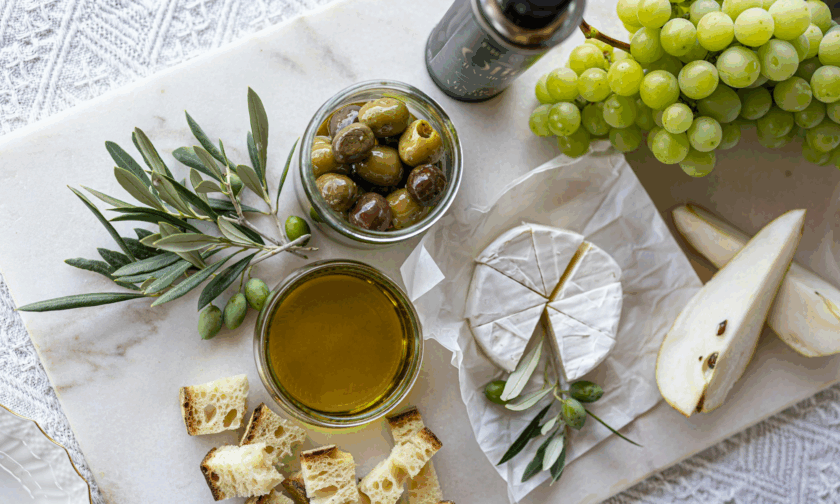
When people picture the Mediterranean diet, they imagine open-air markets, just-caught fish, bowls of glossy produce.
But on a random Tuesday?
It looks more like a can opener.
The foundation of Mediterranean eating isn’t rare ingredients. It’s olive oil, beans, tomatoes, and fish — many of them shelf-stable. These aren’t shortcuts. They’re the backbone of the pattern that consistently shows up in research on heart health and longevity.
If you stock a few key items, dinner is mostly handled.
The Staples That Do the Real Work
1. Canned fish
Sardines, salmon, tuna, mackerel — these are among the most nutrient-dense foods in the grocery store. They provide protein, omega-3 fats, and in the case of salmon and sardines, meaningful amounts of vitamin D.
They’re also fast. Mash sardines with lemon and olive oil for toast. Toss canned salmon into a salad. Stir tuna into white beans with capers. Five minutes, done.
2. Canned tomatoes
Whole, crushed, diced — it doesn’t matter much. Tomatoes become soup, shakshuka, pasta sauce, or the base of a quick stew. Cooking tomatoes actually concentrates lycopene, a compound associated with cardiovascular health.
A can of tomatoes plus olive oil plus garlic is essentially a meal starter kit.
3. Beans and lentils
White beans, chickpeas, lentils — they deliver fiber and plant protein in a way that’s filling and steady. Drain, rinse, and they’re ready. No soaking. No planning ahead.
The Mediterranean diet works partly because meals are satisfying enough to prevent the “what else can I snack on?” spiral later.
And then there’s the one non-negotiable:
4. Olive oil
Not a drizzle — a pour. It’s the flavor and the fat that ties everything together.
The Vitamin D Bonus Hiding in Your Pantry
Many adults are low in vitamin D, especially in winter. What surprises people is that canned salmon and sardines can contain significantly more vitamin D than eggs.
You don’t need a supplement protocol to improve intake.
A simple lunch of canned salmon over greens with olive oil and lemon quietly checks a box most people forget about.
How to Build a Mediterranean Meal in 10 Minutes
This isn’t about recipes. It’s about patterns.
White beans + tomatoes + olive oil + garlic → simmer and serve with bread
Sardines + toast + lemon + herbs → fast lunch
Chickpeas + roasted peppers + olive oil + greens → grain-free bowl
Tuna + tomatoes + olives → quick pasta sauce
If you want to layer in one more small habit, a short walk after dinner supports steady blood sugar and digestion. Not mandatory — just useful.
The Real Takeaway
The Mediterranean diet feels aspirational, but it’s surprisingly practical. It doesn’t require perfection or fresh fish markets.
It requires a few reliable ingredients and the confidence to combine them.
Before you overhaul your eating, look in your pantry.
You may already be closer than you think.
The post Your Pantry Is Already a Mediterranean Kitchen — If You Know What to Grab appeared first on Clean Plates.
Dining and Cooking