
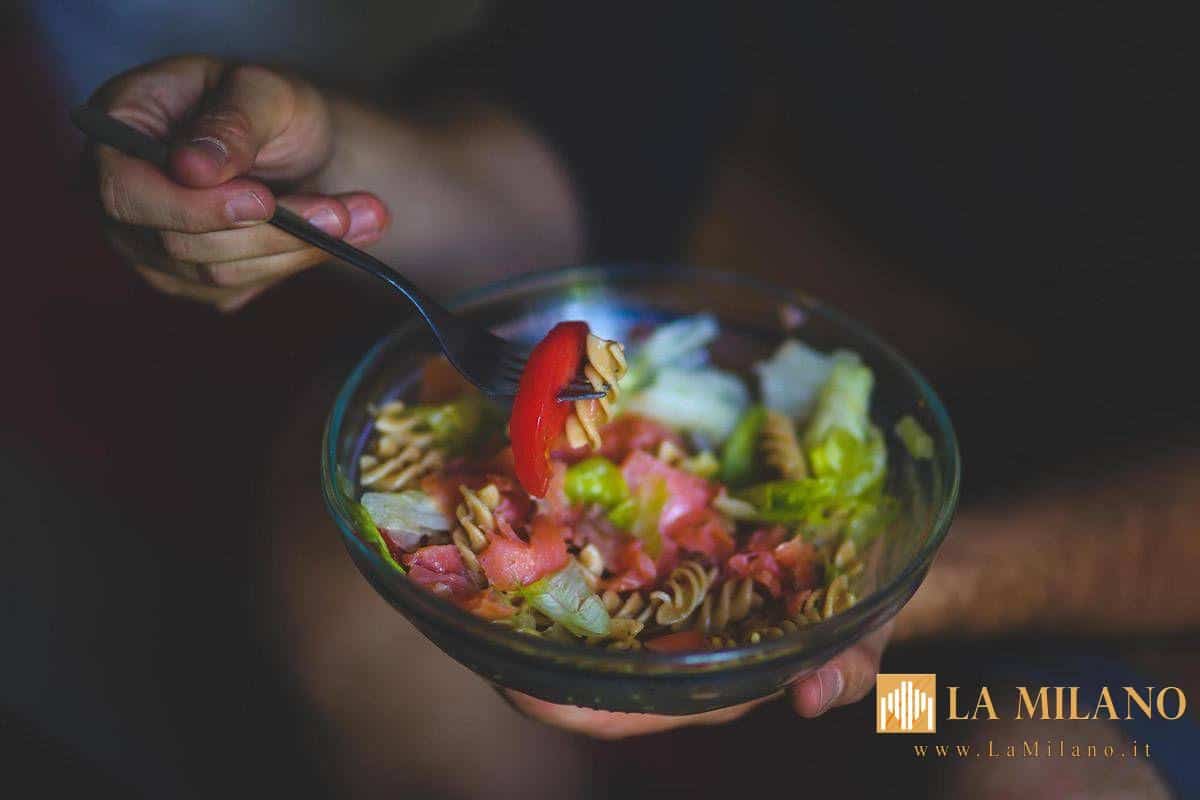
The Mediterranean diet, a model for longevity, is being updated and becoming “three-dimensional,” adding for the first time to the quantity and quality of nutrients their timing in harmony with biological, hormonal, and metabolic rhythms over a 24-hour period. This new approach—developed by the Italian Society of Endocrinology (SIE) together with the Italian Association of Dietetics and Clinical Nutrition (ADI), published in Current Nutrition Reports just days before World Obesity Day on March 4th—redesigns the pyramid of the traditional Mediterranean diet by synchronizing dietary recommendations, which remain unchanged, with the body clock and hormonal fluctuations (insulin, cortisol, and melatonin), thus offering a concrete strategy against obesity and metabolic diseases.
“The Mediterranean diet is no longer just about what you eat, but, above all, when you eat it,” explains Diego Ferone, president of the SIE (Italian Society of Endocrinology) and Professor of Endocrinology at the University of Genoa. “The most recent scientific evidence,” he emphasizes, “demonstrates that metabolism is profoundly regulated by hormones and follows a circadian rhythm. Key hormones such as insulin, cortisol, melatonin, leptin, and ghrelin fluctuate throughout the 24 hours, modulating the metabolic response to nutrients, appetite, energy expenditure, and sleep quality. Eating the same foods at different times of the day can therefore produce different metabolic effects, with significant implications for the risk of overweight and obesity and endocrine dysfunction associated with weight gain, not only type 2 diabetes mellitus, but also alterations in the function of the endocrine glands.”
The new model therefore introduces the time dimension, placing the sun and moon symbols next to the pyramid design to indicate the best times to consume certain foods. “The sun symbol suggests daily consumption of complex carbohydrates (cereals, pasta, and bread, preferably whole grain), legumes, fruits, and vegetables in the early morning to maximize insulin sensitivity. The moon symbol, on the other hand, suggests consuming lean proteins, vegetables, and sleep-promoting foods like nuts, seeds, and dairy products, rich in tryptophan and melatonin, which promote rest and nighttime muscle regeneration,” explains Luigi Barrea, first signatory of the update document and SIE advisor, Professor of Clinical Nutrition and Applied Dietetics at the Pegaso University of Naples. In fact, he continues, “consuming 40 grams of protein before bed can increase muscle protein synthesis by 33%, counteracting muscle loss. And shifting 5% of energy from fat to carbohydrates at breakfast helps drastically reduce the risk of metabolic syndrome.” As for extra virgin olive oil, “it remains the undisputed star, flexible in its use due to its universal anti-inflammatory and antioxidant properties, both day and night,” specifies Massimiliano Caprio, Professor of Endocrinology at the San Raffaele Telematic University in Rome. “A high consumption of extra virgin olive oil,” he recalls, “reduces the risk of cardiovascular disease by 39% and halves mortality. And for every 10 g increase in extra virgin olive oil per day, cardiovascular risk is further reduced by 10%.”
The model’s true innovation, experts note, is its focus on individual chronotypes. “Owls,” people with a cerebrospinal chronotype, tend to skip breakfast and concentrate their food intake in the evening, when insulin sensitivity is reduced and glycemic regulation is less efficient, with potentially negative consequences for metabolic health. The new Mediterranean diet pyramid helps them gradually realign, concentrating caloric intake during daylight hours to avoid social metabolic jetlag, the misalignment with internal biological rhythms caused by irregular social activities. “Larks,” morning people, on the other hand, are naturally predisposed to greater adherence to the Mediterranean diet and benefit from a hearty breakfast, a substantial lunch, and a light dinner, primarily protein-based.
The new pyramid is not just a food guide, but a manifesto that reinforces the concept of the Mediterranean diet as a comprehensive lifestyle. “The new model also includes physical activity in the sun, quality sleep, conviviality, and respect for seasonal biodiversity, which contribute in an integrated way to maintaining endocrine and metabolic health,” emphasizes Salvatore Cannavò, president-elect of the SIE and Professor of Endocrinology at the University of Messina. “In line with UNESCO’s recognition of the Mediterranean diet as an Intangible Cultural Heritage of Humanity, the new model promotes a holistic vision that combines tradition, sustainability, and scientific innovation.”
“Integrating the temporal and hormonal dimensions of the Mediterranean diet means updating an extraordinary cultural heritage in light of the most modern endocrinological knowledge. This new pyramid represents a useful tool not only for prevention, but also for clinical practice, in a perspective of increasingly personalized and physiologically based nutrition,” concludes Ferone.
(Adnkronos)

Reproduction reserved © Copyright La Milano
Dining and Cooking