
Is It Safe To Eat Salmon Skin? An Expert Explains CLFortin – Getty Images
“Hearst Magazines and Yahoo may earn commission or revenue on some items through these links.”
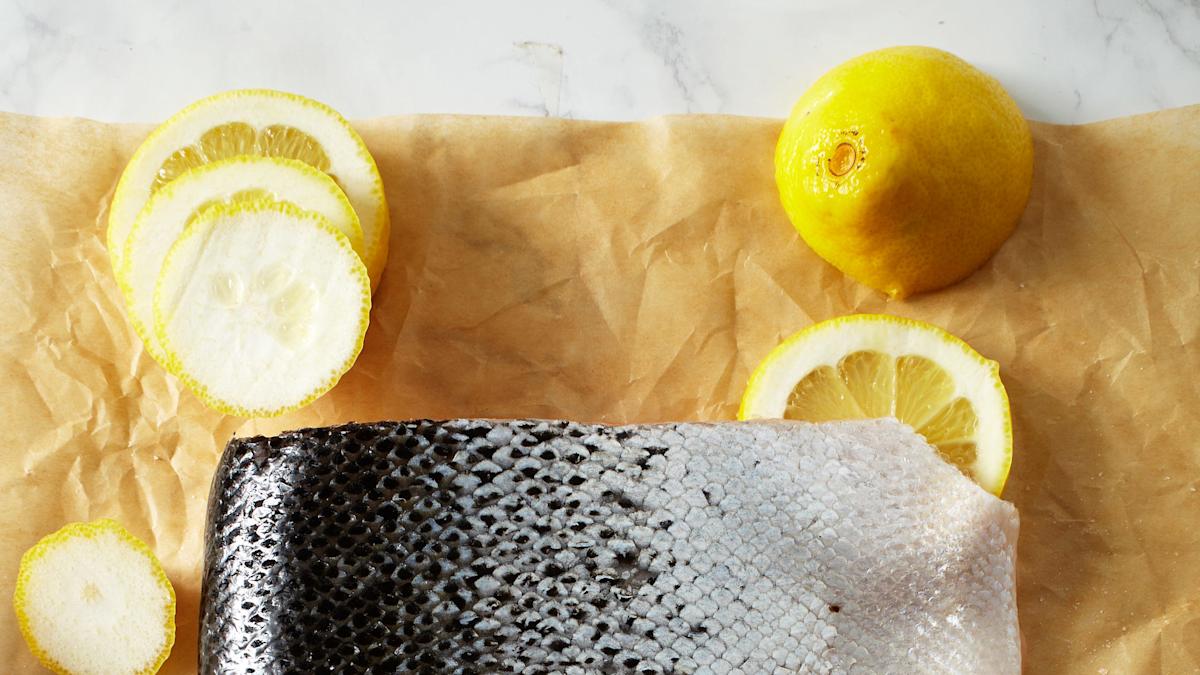
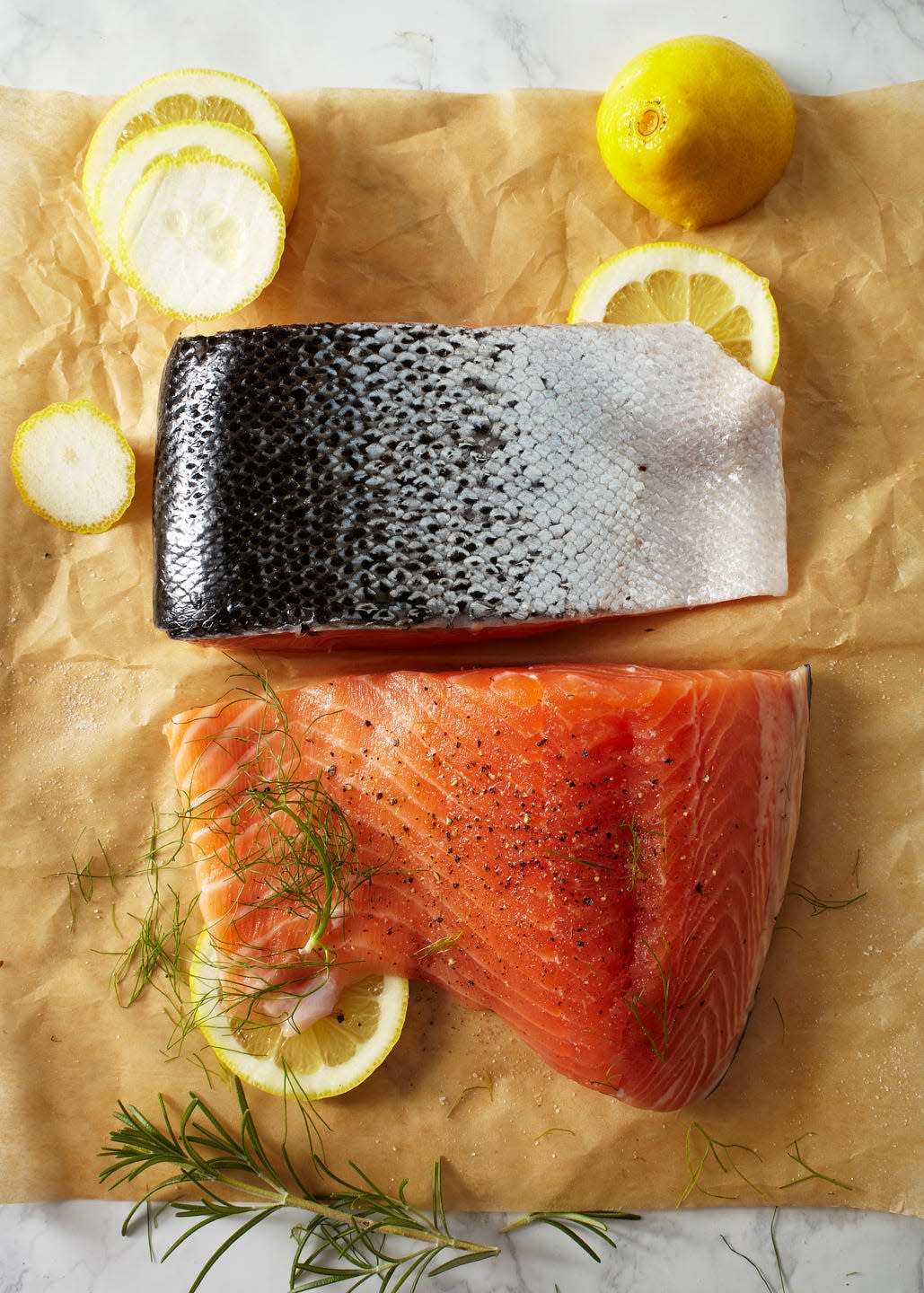
Salmon skin isn’t just safe to eat, it’s also one of the most nutrient-dense parts of the entire fish.
The skin retains more nutrients when cooked at lower temperatures, like in the oven.
Wild salmon also boasts more vitamins and minerals than farmed alternatives.
Salmon is the second-most popular seafood in the United States, behind shrimp, and it’s easy to see why. The tender, flaky, and flavorful meat is incredibly versatile and can satisfy even the pickiest of eaters. You can serve it raw in sushi and poke bowls, grill it on cedar planks, or roast a whole filet with any seasoning under the sun. We’d even go so far as to say that it’s the MVP of the sea.
Depending on how you’re cooking your salmon, there’s a good chance that you might end up eating it with the skin on—or, at least, eating around the skin. Fish skin understandably makes some people a little squeamish. Depending on the way it’s prepared, it can end up flabby, scaly, or downright unpleasant.
But beyond flavor, some people avoid salmon skin for health or safety concerns. There’s a risk of polluted waters, unsanitary hatchery conditions, and mercury concerns. Those red flags are always lingering, but are they something you should actually take seriously?
We chatted with Melissa Pfeister, Stanford Medicine-certified nutritionist, about all things salmon skin. So next time you’re making a batch of our Marry Me Salmon, you can rest assured that your dinner will be as healthy as it is delicious.
Is Salmon Skin Safe To Eat?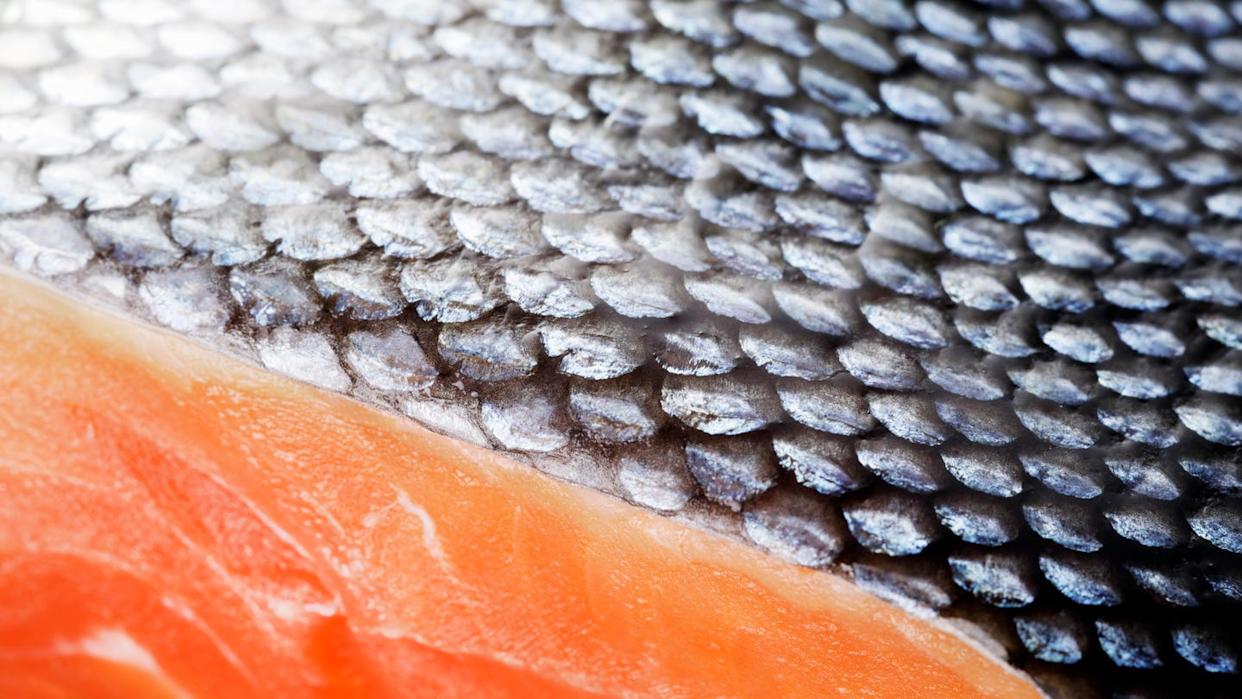
temmuzcan – Getty Images
Salmon skin is definitely safe to eat. In fact, Pfeister says it’s one of the healthiest parts of the whole fish. “Salmon skin contains the highest amount of omega-3 fatty acids, more so than the flesh, along with a hefty dose of minerals, vitamin B, and vitamin D,” she says.
The omega-3 fatty acids are especially important here. This essential nutrient plays a significant role in cell function and contributes to your overall cardiovascular health. And since our bodies don’t produce omega-3 fatty acids on their own, eating foods that have them is especially important.
“Fish having higher fat, like salmon, contain these powerful and most important omega-3 fatty acids,” Pfeister says. “These omega-3s not only help to protect you from heart disease, but they also reduce blood pressure and contribute to healthier skin, hair, and nails.”
How Should You Cook Salmon Skin?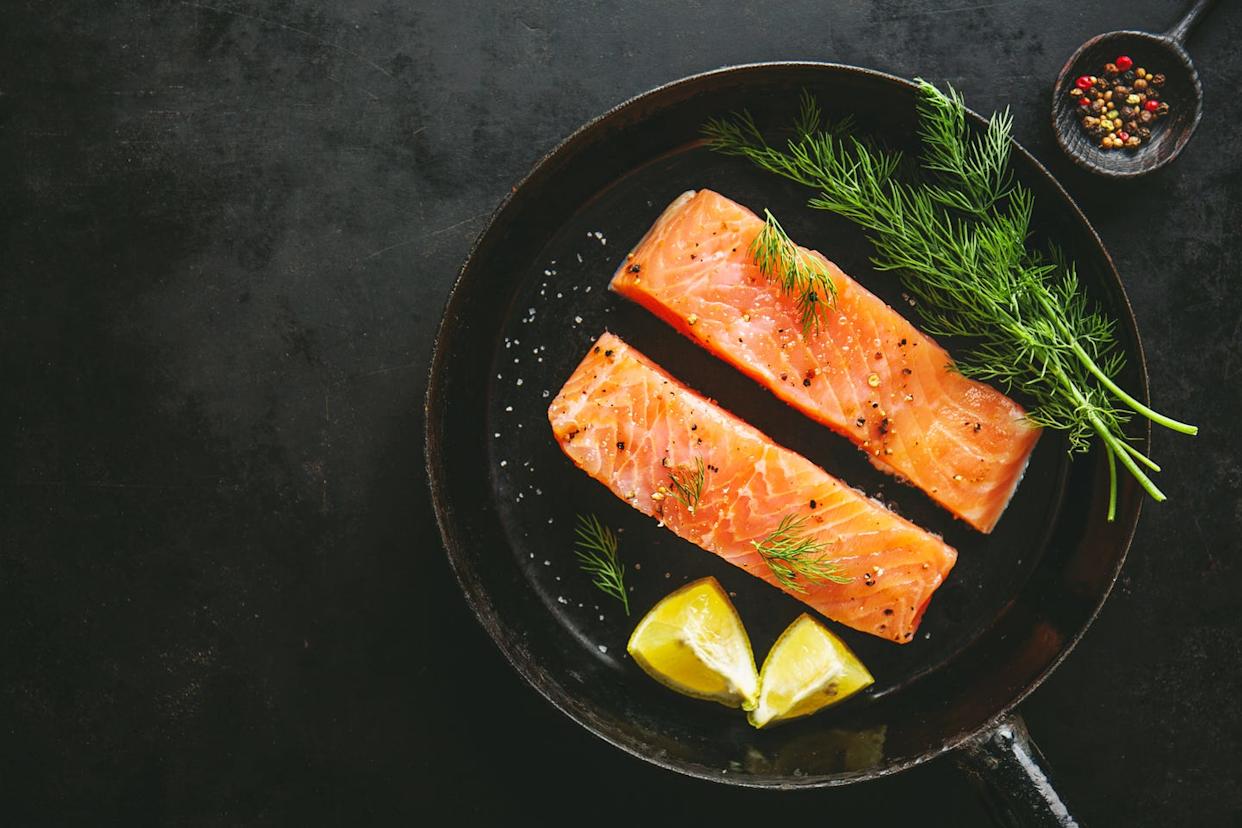
nerudol – Getty Images
The way you cook your salmon can affect its nutritional value. Crispy salmon skin may be the most delicious preparation, but it comes at a cost: It diminishes some of its nutritional density. “When cooking salmon at higher temperatures, it loses some of its important vitamin D and omega-3 fats,” Pfeister says.
However, it’s worth noting that high temperatures don’t make salmon inherently unhealthy. You’ll still be able to take advantage of some of the nutrients and enjoy the crispy texture, just at lower concentrations than if the skin were cooked at a lower heat.
For those who are looking to maximize the fish’s health benefits, the oven is your friend. “Your best bet to retain the most nutrients inside the salmon is baking, keeping the skin on,” says Pfeister.
What Should You Look For When Buying Salmon?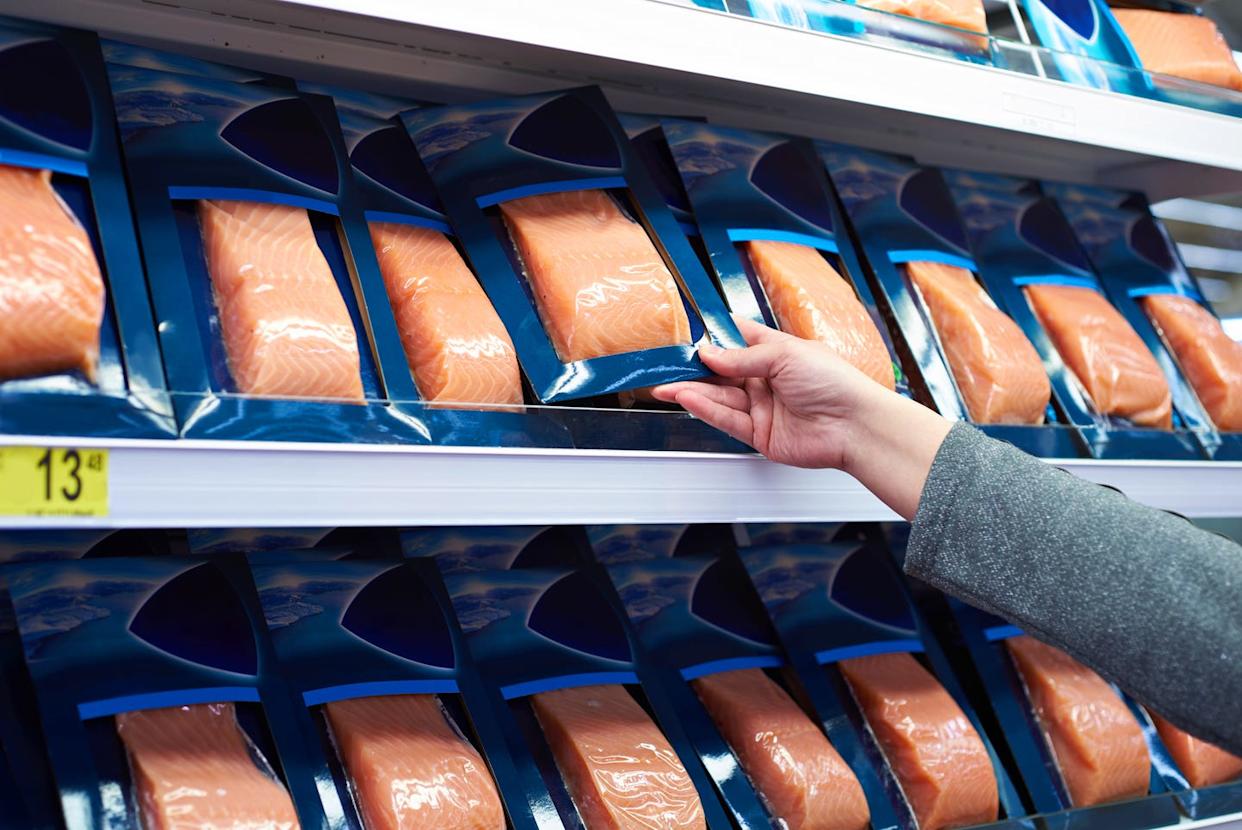
sergeyryzhov – Getty Images
Salmon skin comes with plenty of health benefits. But that doesn’t mean it comes without some degree of risk. Ultimately, it all comes down to the quality of the fish you’re buying, so any health concerns are nearly avoidable as long as you’re a smart shopper.
This applies to every type of fish, not just salmon. You want to make sure to source your seafood from reputable purveyors. It’s the best way to avoid fish that swim in contaminated water and minimize your exposure to harmful chemicals and bacteria. Thankfully, salmon is considered a low-mercury fish, which means both children and adults can enjoy it regularly without accumulating large amounts of the neurotoxin.
Consumers’ primary concern should be proper seafood sourcing and handling, which lowers the chances of ingesting pathogenic bacteria and other contaminants. Look for salmon with quality-control certifications from organizations like the Marine Stewardship Council (MSC) or Best Aquaculture Practices (BAP). And when in doubt, ask your vendor—a trustworthy one will gladly give you more information.
Beyond safety considerations when shopping, the type of salmon you choose will also affect its nutritional value. “The nutrients in salmon depend on the waters where they are sourced,” Pfeister says. “Wild salmon is nutritionally superior to farmed salmon, containing fewer calories, less fat, and more vitamins and minerals.”
Next time you cook salmon at home, don’t skip the skin—you may be missing out on some extra nutrition.
You Might Also Like
Dining and Cooking