
Home » Brazil Travel News » Beyond the Baroque: How Brazil’s Minas Gerais is Enchanting Portugal with a New Era of Wine and Heritage
Published on
March 5, 2026
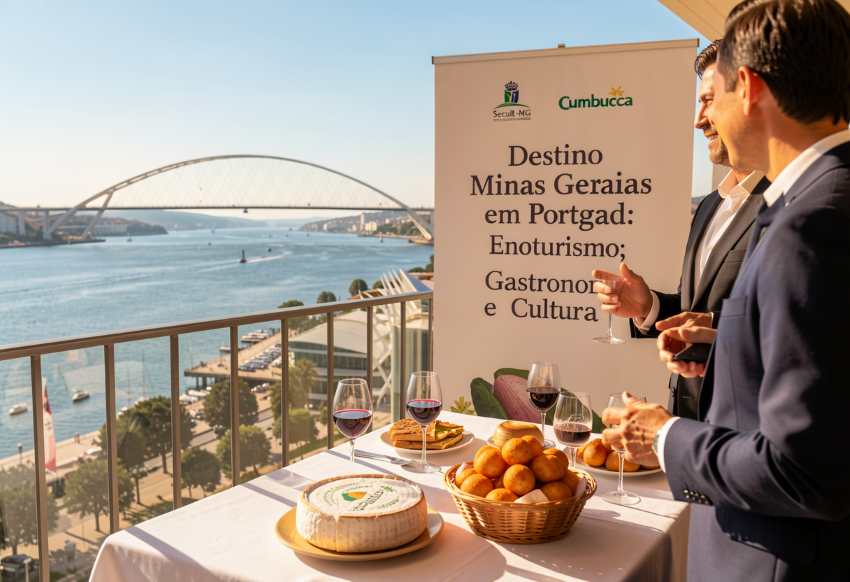
Image generated with Ai
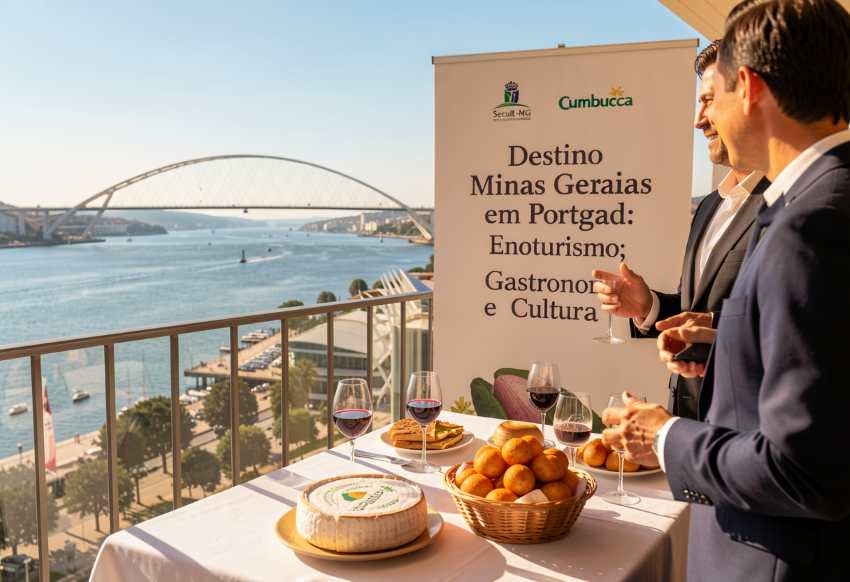
The landscape of South American travel is being subtly rebalanced as the Brazilian state of Minas Gerais launches a sophisticated diplomatic and tourist offensive in the heart of Lisbon. At a recent high-profile gathering at the Tivoli Oriente in the Parque das Nações district, the traditional narrative of Brazil was replaced by the earthy aromas of artisanal cheeses and refined notes of high-altitude viticulture. This strategic push, led by the State Secretariat of Culture and Tourism (Secult-MG) and supported by the creative platform Cumbucca, aims to position Minas Gerais as the top destination for discerning European travellers.
A New Cultural Bridge in Lisbon
The “Destino Minas Gerais em Portugal” event was meticulously designed to serve as a sensory bridge between two regions already bound by centuries of shared history. Portuguese travel agents, media representatives, and tour operators were invited to re-examine their perceptions of southeastern Brazil. Rather than focusing solely on the gold-laden history of the region, the emphasis was shifted toward a contemporary fusion of tradition and innovation. The gathering was characterized by a showcase of regional delicacies, where the iconic pão de queijo and protected-origin cheeses were presented not just as food, but as cultural artefacts of a state in the midst of a gastronomic renaissance.
The Rise of High-Altitude Enotourism
The centrepiece of this international campaign is the burgeoning enotourism sector. While Minas Gerais has long been celebrated for its colonial architecture and hearty “Comida Mineira”, it is now being reimagined as a sophisticated wine hub. It was highlighted during the presentation that the state currently boasts over 130 wineries spanning nine distinct regions. This expansion is not merely quantitative; it is rooted in a unique viticultural breakthrough known as “double pruning”. This technique allows grapes to be harvested during the dry, sunny winter months—rather than the humid summer—resulting in “winter wines” that have begun to capture international accolades and sommelier attention.
Synergizing Wine and Artisanal Heritage
The strategic promotion focuses heavily on the pairing of these New World wines with the state’s legendary dairy traditions. The synergies between Portuguese wine culture and the artisanal cheese production of regions like Serra da Canastra are being leveraged to create a sense of “familiar exoticism” for the European visitor. Guided tours through vineyards in the Serra da Mantiqueira and interactive sessions with local producers are being promoted as essential experiences. These initiatives are supported by state-led projects designed to ensure that the growth of tourism remains rooted in authenticity, providing travellers with a “human dimension” and an emotional connection to the land and its people.
Advertisement
Advertisement
Historical Continuity and Modern Connectivity
The architectural parallels between the two nations were also underscored as a primary draw for the Portuguese market. The Baroque splendours of Ouro Preto and Tiradentes, with their ornate churches and cobblestone streets, offer a mirror to Portugal’s own aesthetic history. This sense of familiarity is bolstered by robust logistical links. For nearly two decades, direct flights between Lisbon and Belo Horizonte have been maintained by TAP Air Portugal, transporting approximately 180,000 passengers annually. This established corridor is viewed by tourism officials as a vital artery for increasing the flow of European travellers who are looking for a sophisticated complement to the traditional Brazilian beach holiday.
Innovation Through the Cumbucca Platform
The role of the Cumbucca platform was identified as pivotal in bridging the gap between public policy and private entrepreneurship. By curating experiences that connect the “creative economy” with gastronomy, the platform ensures that the tourism narrative is both modern and sustainable. One such example of this innovation is the “Cozinha Interativa Itambé” located within the bustling Central Market of Belo Horizonte. This interactive space is utilized for workshops and immersive experiences where the boundaries between tradition and contemporary culinary arts are blurred, offering a tangible touchpoint for tourists wishing to dive deeper into the local identity.
Advertisement
Advertisement
A Transformation of the Brazilian Narrative
The broader goal of these efforts in Lisbon is to completely transform how Brazil is perceived as a destination. The state is portrayed as a haven for slow travel, with the luxury of the experience found in the quality of the soil, the age of the cheese, and the history of the architecture. By emphasising the emotional and cultural ties that connect Minas Gerais to Portugal, the state government hopes to carve out a unique niche in the global marketplace. The message is clear: Minas Gerais is no longer a historical relic of the gold cycle but rather a vibrant, evolving landscape where the old and new worlds collide over a glass of award-winning Syrah.
Advertisement
Advertisement
Advertisement

Dining and Cooking