

Every spring, Italian markets fill with striking greens—leaves in shades of deep red, pink and purple. Some resemble flowers more than vegetables.
These are chicory and its famous variety, radicchio, one of the most distinctive crops of Mediterranean cuisine, EastFruit reports.
Interest in these plants is growing not only among chefs but also across European produce markets. Radicchio is increasingly described as one of the most beautiful vegetables in the world, and several of its varieties have become true gastronomic symbols of Italy.
Chicory and radicchio: what is the difference?
It is important to understand that radicchio is a variety of chicory (Cichorium intybus).
In Italy, the term cicoria usually refers to green leafy forms of chicory that are sautéed as a side dish or added to soups.
Radicchio, on the other hand, refers to cultivated chicory varieties with red, burgundy or pink leaves that form compact heads.
These vegetables are known for their distinctive pleasant bitterness, which becomes softer and more balanced when cooked—for example when roasted, grilled or used in risotto.
Modern radicchio cultivation began developing actively in the nineteenth century in the Veneto region of northern Italy. Farmers there introduced a distinctive production technique known as imbiancamento, whereby harvested plants are placed in water and kept in darkness. This process enhances the colour of the leaves while producing a milder flavour.
 “Interest in crops such as chicory and radicchio is growing across Europe. Consumers increasingly look for products with a story, a clear origin and a distinctive flavour profile. In that sense, radicchio perfectly reflects modern gastronomic trends,” says Kateryna Zvierieva, Head of the International Analytical Platform EastFruit and Development Director of the Ukrainian Horticulture Association.
The origin of the word “radicchio”
The word radicchio comes from the Italian word radice, meaning “root”.
In the Venetian dialect, the words radicio or radiccio historically referred to plants growing directly from the root. Over time, the term came to describe the red chicory varieties that form compact heads.
It was in northern Italy—particularly in Veneto and Friuli—that the name radicchio became firmly associated with cultivated chicory varieties now recognised around the world.
Veneto: the world capital of radicchio
The true heart of radicchio culture lies in northeastern Italy, particularly in the Veneto region.
Dozens of distinctive local varieties are cultivated here, many of which have protected geographical status.
The most famous types are named after the towns where they originated:
Over generations, farmers in Veneto have transformed chicory cultivation into a refined agricultural tradition closely linked with regional gastronomy.
Ten of the most beautiful radicchio varieties in Italy
Radicchio Rosso di Treviso
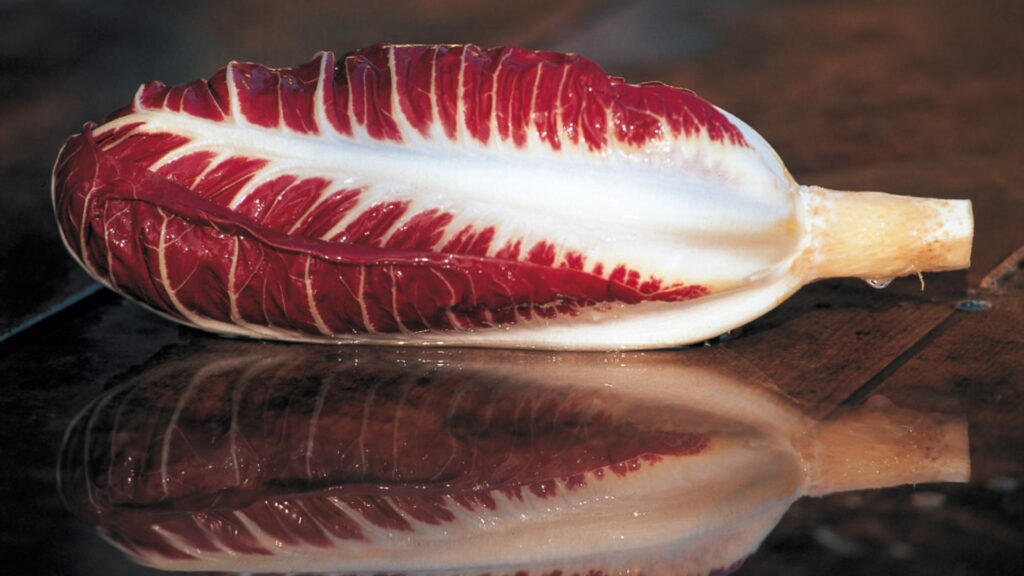 Often referred to as the “king of radicchio”, this variety features elongated leaves and a deep burgundy colour.
Radicchio di Chioggia
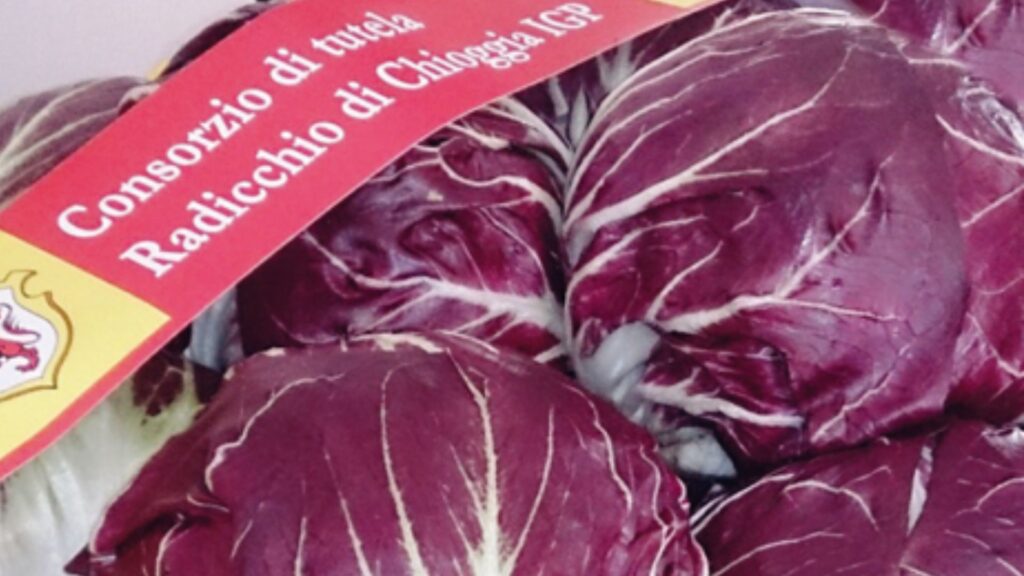 The most widely grown radicchio variety, resembling a small red cabbage.
Radicchio di Verona
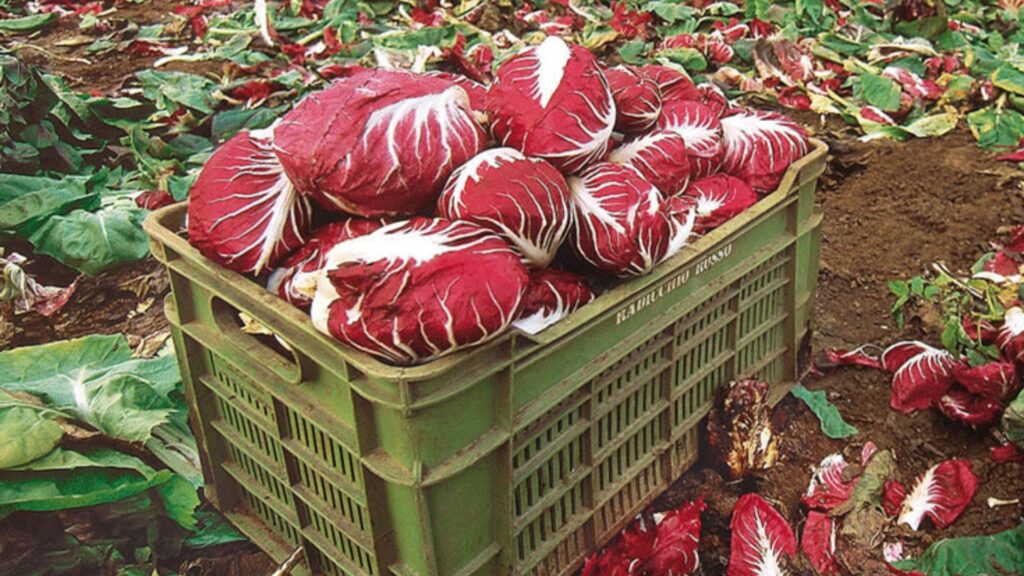 A compact variety with a rich flavour and firm texture.
Radicchio Variegato di Castelfranco
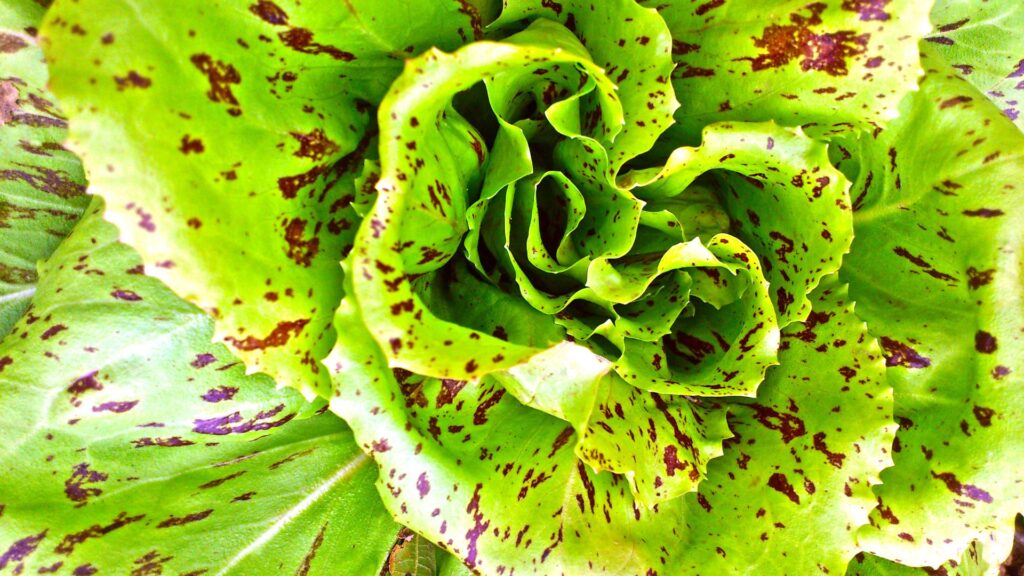 A highly decorative type with cream-coloured leaves and pink speckles. It is sometimes called the “orchid of salads”.
Tardivo di Treviso
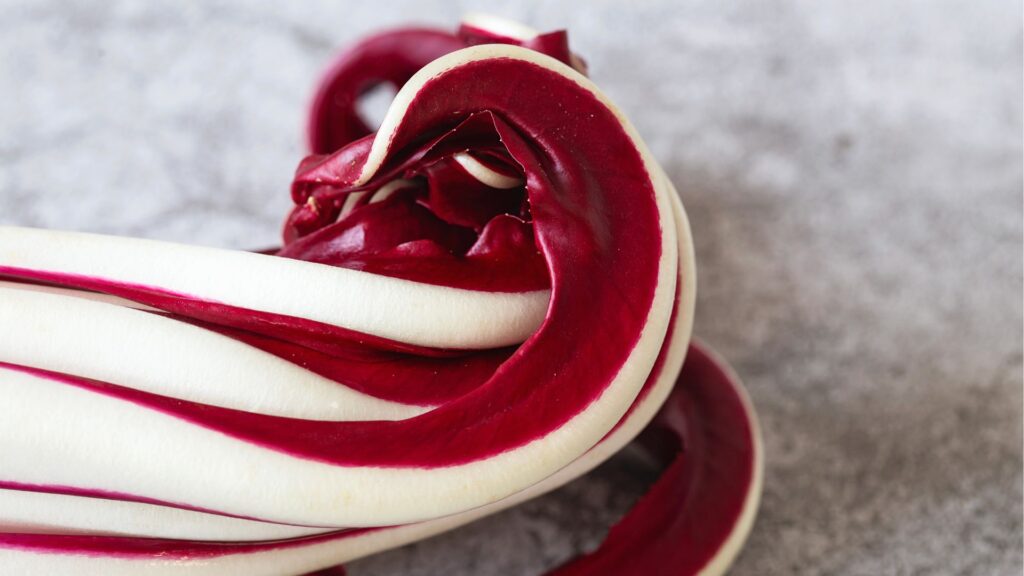 A late-season Treviso radicchio with elegant elongated leaves.
Rosa di Verona
 A pink radicchio variety that resembles a flower bud. In spring 2026, retail prices reached about €6.90 per kg.
Rosa di Gorizia
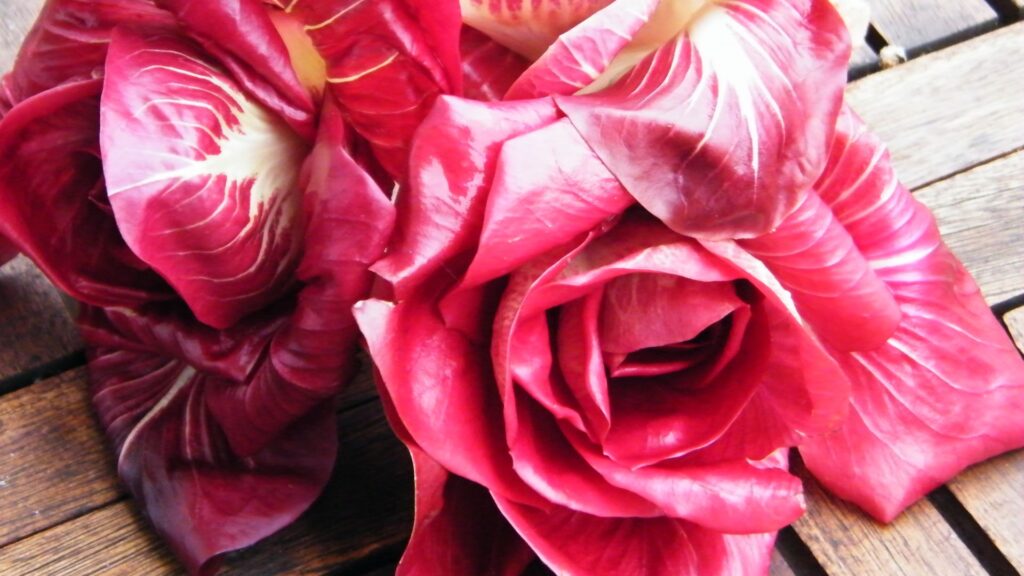 A rare delicacy whose leaves unfold like rose petals, retail prices reached about €30 per kg.
Radicchio di Lusia
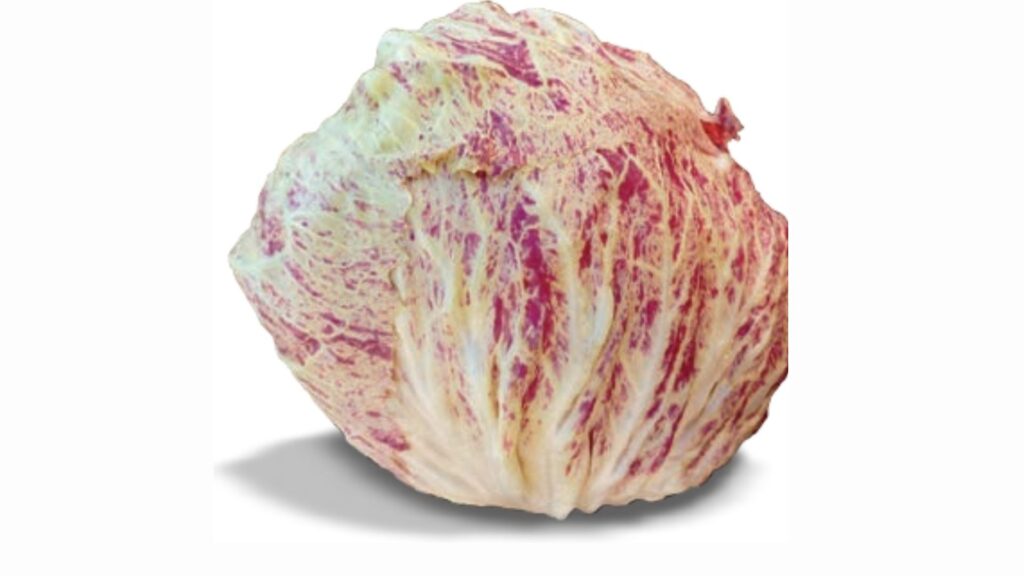 A traditional Veneto variety known for its mild flavour.
Radicchio di Asigliano
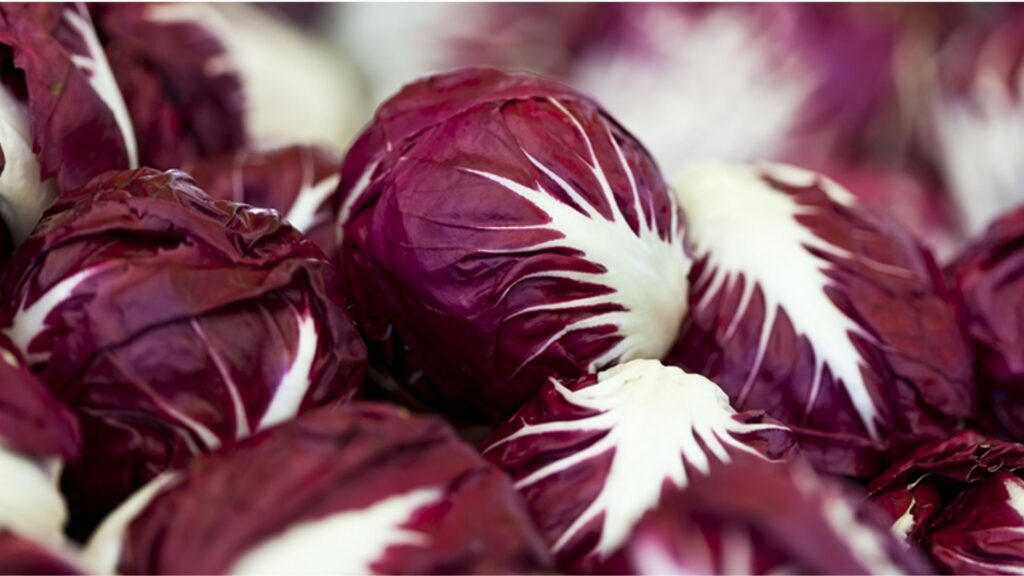 A local variety characterised by deep colour.
Radicchio that looks like a flower
 Among the many radicchio varieties, “flower types” attract particular attention.
One example is Rosa di Verona, whose delicate pink leaves form a compact head resembling a rosebud.
In Italian markets during spring, a kilogram of this radicchio typically sells for €5–6.
An even rarer variety is Rosa di Gorizia, widely considered a gastronomic delicacy and increasingly featured in fine-dining restaurants.
How much chicory and radicchio cost in Italy
Average spring market prices in Italy are approximately:
Product
Price
Green chicory
€2–3/kg
Radicchio di Chioggia
€3–4/kg
Radicchio di Treviso
€4–6/kg
Rosa di Verona
€6–7/kg
Rosa di Gorizia (delicacy)
up to €30–35/kg
Price differences reflect production complexity, limited supply and the premium gastronomic positioning of certain varieties.
Radicchio as a niche market crop
Radicchio remains a niche crop, yet in recent years there have been clear signs of growing demand for certified varieties.
In particular, EU industry organisations report increasing interest in types such as:
This trend is linked to the expanding market for gourmet vegetables and the growing importance of geographical branding in European food markets.
 Why radicchio is popular in fine dining
In recent years, radicchio has made a strong comeback in high-end gastronomy.
Chefs appreciate it for several distinctive qualities:
a complex bitter-sweet flavour profile
vibrant colours ranging from ruby red to delicate pink
decorative presentation
remarkable culinary versatility
Radicchio can be grilled, caramelised, added to risotto or served fresh in salads.
Pink and variegated varieties are particularly popular because they resemble edible flowers on the plate.
 Why radicchio is becoming fashionable again
As Kateryna Zvierieva notes, such crops may become an important part of the modern gastronomic economy.
“Chicory is an excellent example of how a traditional agricultural crop can evolve into a modern market trend. What was once seen as a simple spring green is now becoming a high-value gastronomic product—from premium radicchio varieties to functional ingredients used in health-focused foods.”
 Five surprising facts about chicory
• Wild chicory produces bright blue flowers that open at sunrise and close by midday.
• Chicory root contains one of the highest concentrations of inulin, a natural prebiotic fibre.
• During the Napoleonic wars, roasted chicory root was widely used as a coffee substitute in Europe.
• Some radicchio varieties are cultivated in near darkness after harvest to enhance colour and texture.
• Thanks to its vibrant colours, radicchio is often considered one of the most photogenic vegetables.
Recipe from Veneto: risotto with radicchio and gorgonzola
Ingredients
300 g risotto rice
200 g radicchio
1 litre vegetable stock
1 onion
100 g gorgonzola cheese
50 ml white wine
olive oil
salt and pepper

Preparation
Sauté the onion in olive oil.
Add the rice and toast lightly.
Pour in the white wine and allow it to evaporate.
Gradually add hot stock while stirring.
Add chopped radicchio halfway through cooking.
Stir in the gorgonzola at the end.
The result is a creamy risotto with a balanced combination of sweetness, bitterness and richness.
EastFruit
The use of the site materials is free if there is a direct and open for search engines hyperlink to a specific publication of the East-Fruit.com website.
Dining and Cooking