
The Brief
• Fields of Grace volunteers have harvested over 3 million pounds of food from local farms and delivered it to food banks
• The nonprofit provides fresh variety like cherries, blueberries, and organic crops that food banks typically don’t receive
• The organization addresses the national problem that 40% of food grown in the U.S. is wasted
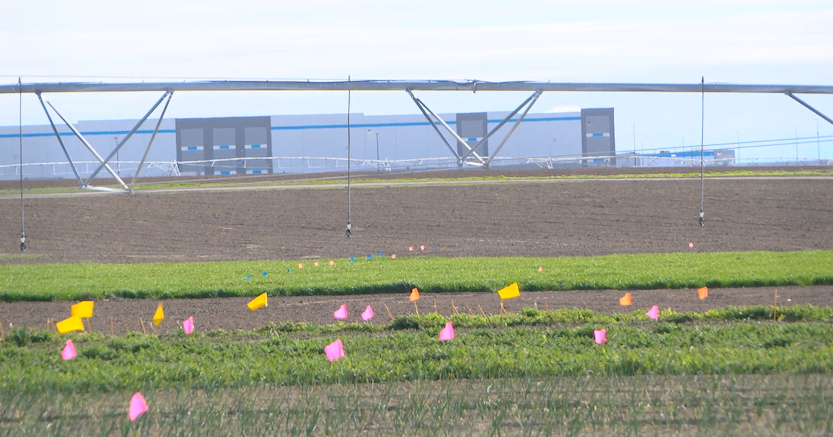
PASCO, Wash. — An organization in the Columbia Basin is working to make sure fresh food grown in the region ends up on tables instead of going to waste, connecting local harvests with families who need nutritious meals most.
Fields of Grace is a local nonprofit founded in 2006 by Alissa Watkins. What started as a small ministry at Westside Church has since grown into a regional effort focused on reducing food waste and increasing access to fresh food.
With early support from local farmers and growers like Gary Middleton, the organization began gleaning crops from farms, residents, and farmers’ markets and delivering that food directly to local food banks. Today, volunteers harvest produce across the Columbia Basin including areas like Eltopia, Wallula Gap, and Prosser, often gathering food several times a week during the growing season.
The impact has been substantial over the organization’s nearly two-decade history.
“Our volunteers have harvested over three million pounds of food locally from farmers, from local residents, and from our farmers markets. And with that food, we deliver it directly to our local food banks,” said Ettie Blankingship, executive director of Fields of Grace.
The organization works closely with several food assistance programs across the Tri-Cities, including Saint Vincent de Paul, the Tri-Cities Food Bank, and Seventh-Day Adventist Community Services, along with smaller organizations like Mirror Ministries and Grace Clinic.
Blankingship says one of the biggest benefits Fields of Grace provides is fresh variety that food banks often don’t receive through traditional donations.
“The really awesome thing about Fields of Grace and what we can provide to food banks — we can provide variety when a lot of the time the main crops they’re getting are apples, onions, and potatoes. We can provide cherries, blueberries, apricots, peaches, and also organic crops,” Blankingship said.
The organization addresses both sides of a critical issue: food insecurity among families and significant food waste among producers. Officials say farmers and growers across the region often face the challenge of crops that won’t be harvested for commercial purposes but are still perfectly good for consumption.
“We network together to say, hey, we have a 20-acre orchard that’s not going to be picked — bring any of your volunteers. So it’s not just in our area, it’s across the board where there’s food being left on the vine,” Blankingship said.
The food waste issue extends far beyond the Tri-Cities and affects communities across the country. Blankingship points to national statistics that highlight the scope of the problem.
“At the end of the day, we are actually wasting 40 percent of the food grown and processed in the United States. So it’s really not about whether there is enough food — it’s about access and how we get it to the places where it’s needed most,” Blankingship said.
This statistic underscores the mission of Fields of Grace: connecting available food with families who need it while helping reduce waste across the region. The organization serves as a bridge between agricultural abundance and food insecurity.
The gleaning process involves volunteers who harvest crops that might otherwise go unharvested. This includes produce from commercial farms that may have surplus crops, residential gardens with more produce than families can use, and farmers’ markets with unsold but still fresh items.
The Columbia Basin’s agricultural richness provides numerous opportunities for gleaning activities. The region’s diverse crop production means Fields of Grace can offer food banks a wide variety of fresh produce throughout the growing season.
Volunteers play a crucial role in the organization’s success, dedicating time during harvest season to gather crops and prepare them for distribution. The work often involves multiple harvests per week during peak growing periods.
The direct delivery model ensures that fresh produce reaches food assistance programs quickly, maintaining quality and nutritional value for families who receive the food.
Fields of Grace represents a community-based solution to both food waste and food insecurity, demonstrating how local organizations can address national problems through regional action.
The organization says volunteers are always welcome to help with harvests throughout the growing season, which typically runs from June through November. This extended season allows for continuous support of local food banks and families in need.
The work of Fields of Grace illustrates how agricultural communities can leverage their resources to address food insecurity while reducing waste, creating a model that could be replicated in other farming regions facing similar challenges.

PASCO, Wash. — Emerson Elementary School in the Pasco School District (PSD) has found a unique way to share the love of reading with students. Students can grab a literary snack through their new Book Vending Machine and take home new or gently used books for free after earning Inchy coins. Emerson Elementary Principal Brooke Schuldheisz, who has been at…


COPYRIGHT 2026 BY APPLE VALLEY NEWS NOW. ALL RIGHTS RESERVED. THIS MATERIAL MAY NOT BE PUBLISHED, BROADCAST, REWRITTEN OR REDISTRIBUTED.
Dining and Cooking