
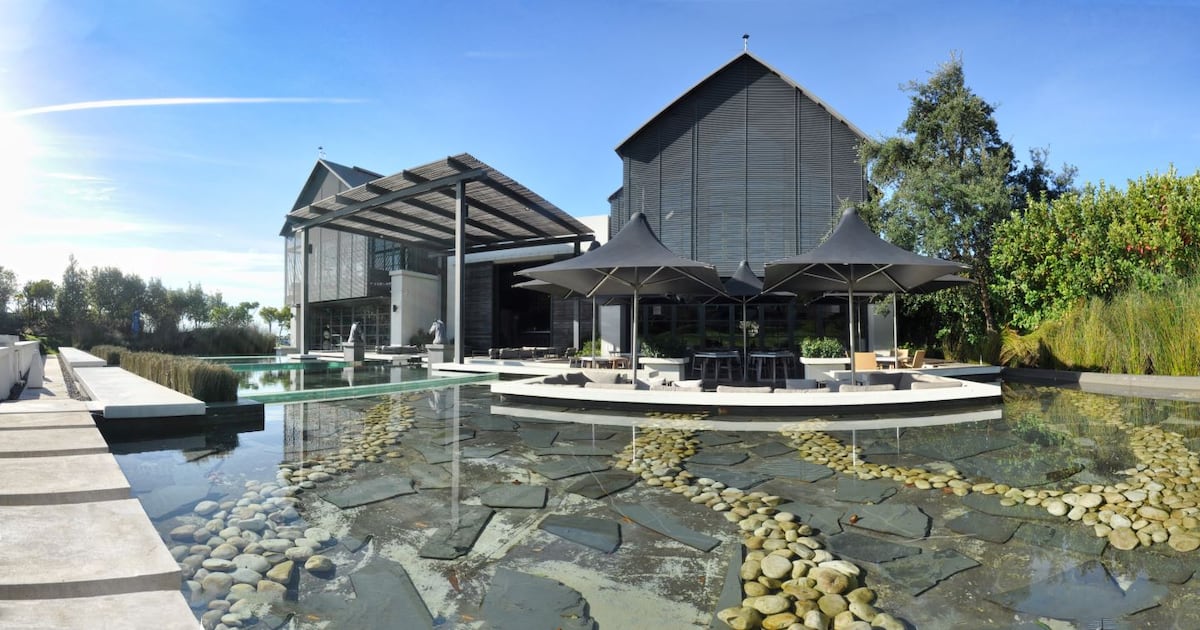
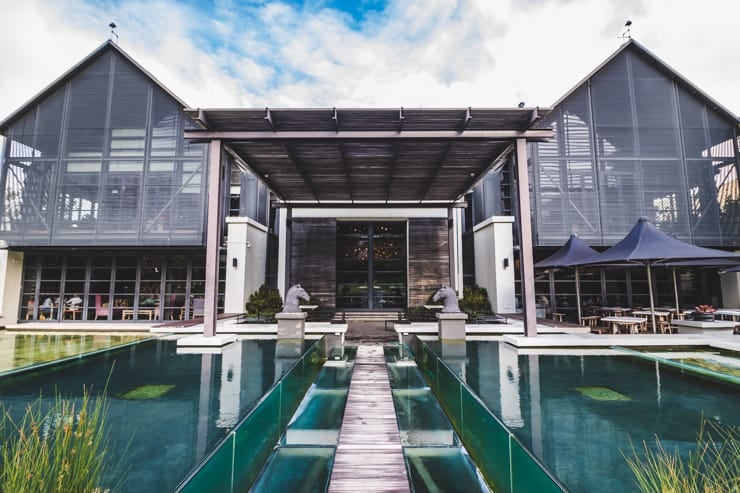
 Bistro Sixteen82 at Steenberg Farm. (SUPPLIED)
 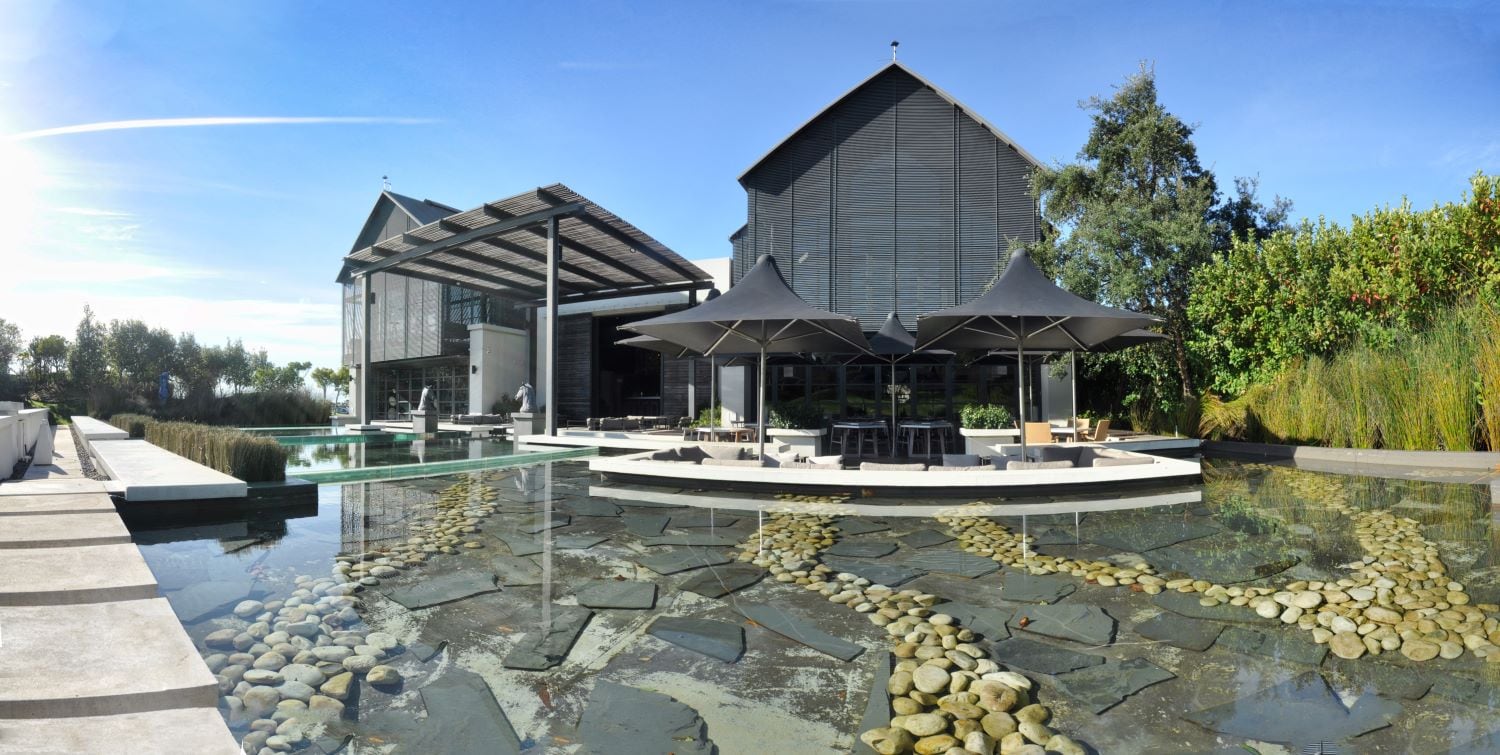 Bistro Sixteen82 at Steenberg Farm. (Supplied)
According to Booking.com’s 2024 Travel Trends Report, “immersive wine country stays” are among the top global travel trends, especially when paired with design and wellness experiences, reflecting growing demand for destinations that integrate accommodation, culture, gastronomy and wellbeing.
The trend is reflected in global hospitality groups such as Relais & Châteaux, whose vineyard properties operate as full-service destinations, and locally in estates designed as immersive retreats that combine heritage, hospitality and landscape for domestic and international travellers.
Jessica Louw, marketing manager of hospitality at Steenberg Farm, said: “Wine estates are evolving from tasting rooms into full-service destinations.
“The guest journey spans unhurried wellness in the morning, vineyard and cellar immersion at midday, and design-led dining at night.
“For luxury travellers, the promise isn’t just ‘a great tasting’; it’s a place to live well for a few days.”
What sets leading estates apart is integration.
Rather than offering separate amenities, successful destinations orchestrate them into one narrative.
International benchmark estates such as Viña VIK position architecture, art, nature and wine as one cohesive design experience, reinforcing that modern wine tourism is increasingly about aesthetic coherence and lifestyle immersion.
Carryn Wiltshire, marketing manager of Steenberg Vineyards, said: “People want to be in beautiful spaces and surrounded by authentic stories of creativity and craftsmanship whether from winemakers, chefs, designers or visual artists — and that’s why the collaboration between wine, culinary, design and leisure spaces works so well together.”
Internationally, wine-led destination travel is increasingly shaped by estates that move beyond traditional tastings to offer seasonal programming, visible craftsmanship and storytelling that connects guests more deeply to a space.
Within this broader context, South African wine estates are increasingly recognised for their strength in experiential tourism and consistently identified as one of the world’s leading wine regions in terms of visitor appeal and hospitality standards.
To remain competitive, wine estates must invest in:
Narrative-led experience design: Shaping the guest journey as a coherent story, where each touchpoint builds on the estate’s heritage, landscape and values;
Advanced sustainability practices: Embedding credible environmental stewardship across water, energy, waste and biodiversity management, aligned with long-term estate viability;
Staff training and service excellence: Investing in people development to ensure consistently informed, attentive and authentic guest interactions;
Seamless digital discovery: Using clear online communication, booking systems and content to help guests understand and access experiences easily before arrival; and
Integrated wellness offerings: Designing wellness experiences that complement wine, food and landscape, creating a balanced and restorative stay.
TimesLIVE
Dining and Cooking