

Diet plays an important role in your health, but can the food you eat actually help you to live longer? According to experts, the answer is yes.
“When we look at populations with the longest lifespans, such as the Blue Zones, one thing stands out clearly: their diets are built around simple, minimally processed, whole foods,” says nutritional therapist Alison Bladh. “These foods nourish the body at a cellular level, reduce inflammation, support metabolic health and protect the brain and heart as we age.”
Reducing your intake of ultra-processed foods and moving towards a minimally processed diet of whole foods and lots of fruit and vegetables is the way to go when you’re focusing on longevity, and there are a few key products that may prove particularly beneficial in reducing inflammation and risk of disease.
 © Getty Images
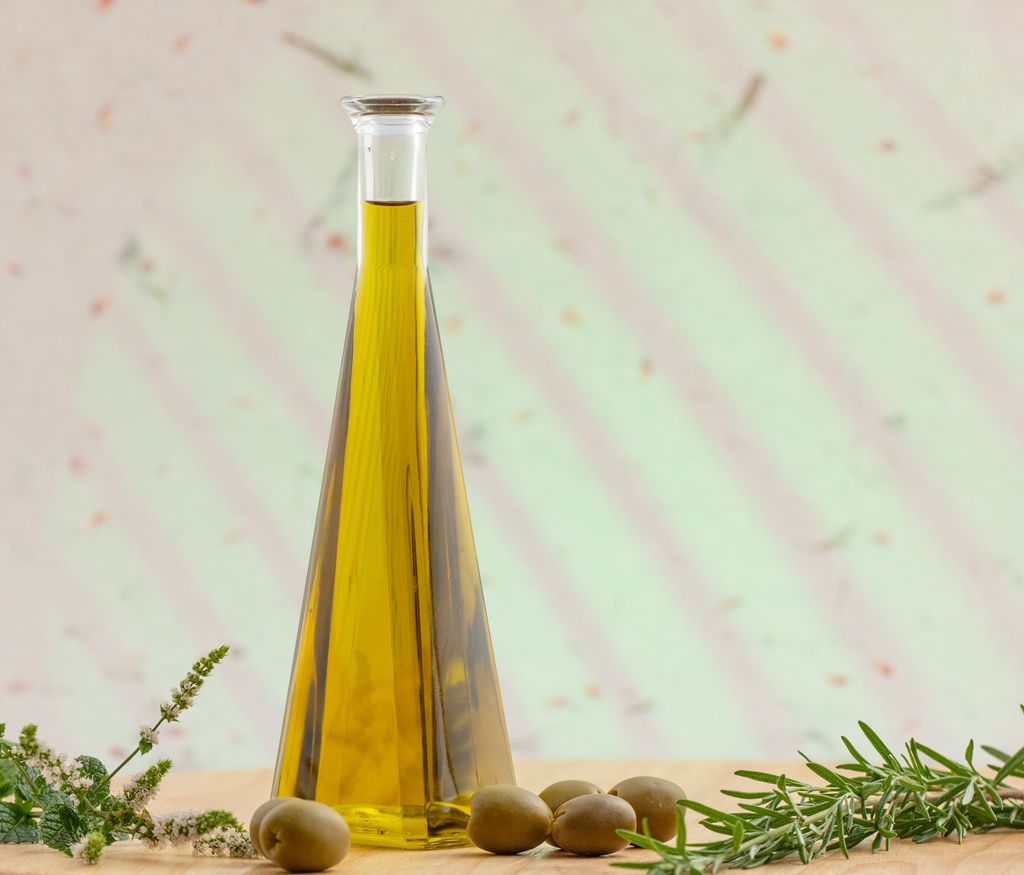
A key part of the Mediterranean diet
Extra Virgin Olive Oil
“A cornerstone of Mediterranean longevity. Large cohort studies and reviews have linked higher intake of extra virgin olive oil with lower risk of cardiovascular disease and reduced overall mortality. Its polyphenols, particularly hydroxytyrosol, support endothelial function and have anti-inflammatory effects that help protect blood vessels as we age. Mechanistically, olive oil compounds appear to influence nutrient-sensing pathways such as SIRT1 and may help regulate inflammatory signalling, supporting healthier ageing at a cellular level.”
 © Getty Images
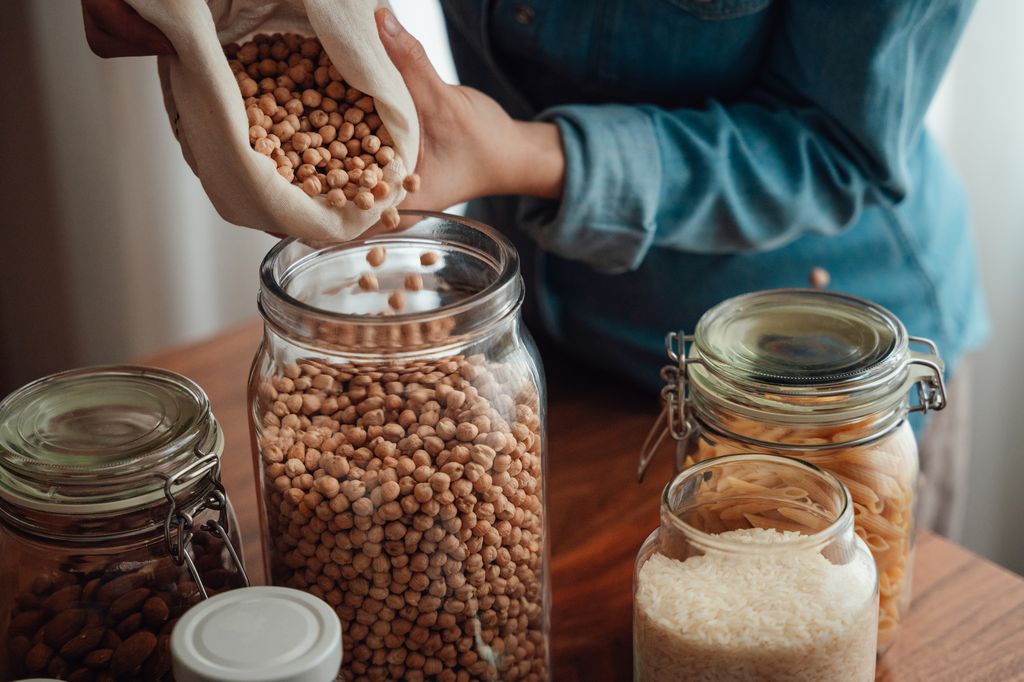
Lentils, chickpeas and beans should be a part of your diet
Legumes
She continued: “Legumes are one of the most consistently linked foods with longer lifespan, particularly in longevity hotspots such as Okinawa and Sardinia. Prospective studies have associated higher legume intake with lower overall mortality risk. Legumes are rich in fibre, plant protein and phytonutrients that improve gut microbiota diversity, enhance short chain fatty acid production, and support blood sugar balance.
Their lower methionine content may also favourably influence mTOR and IGF 1 pathways, both implicated in ageing biology.”
 © Getty Images
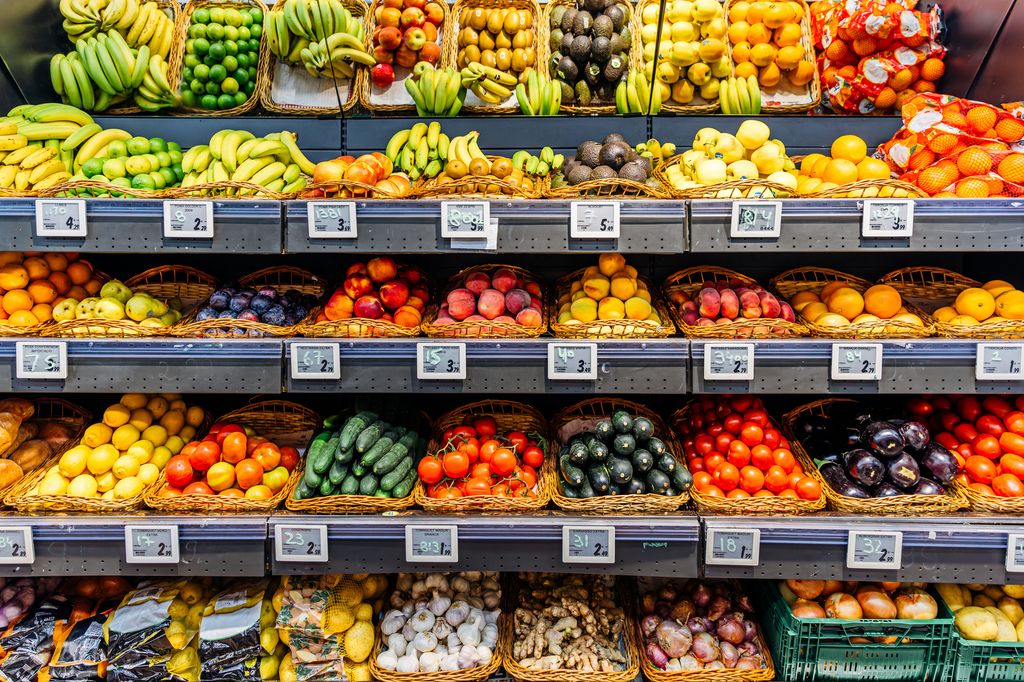
The nutritional therapist says that consuming plenty of fruit and vegetables is important
Fruits and vegetables
“High fruit and vegetable intake is consistently associated with lower all-cause mortality in large cohort studies. These foods provide antioxidants such as vitamin C, vitamin E and a wide range of polyphenols. These compounds reduce oxidative damage to DNA and mitochondria, suppress inflammatory pathways such as NF κB, and may support telomere integrity, a marker associated with biological ageing. Leafy greens in particular support vascular health and nitric oxide production, important for long-term cardiovascular resilience,” said Alison.
“Studies have linked berry intake with slower cognitive decline and better vascular function.”
Nutritional therapist Alison Bladh
 © Getty Images
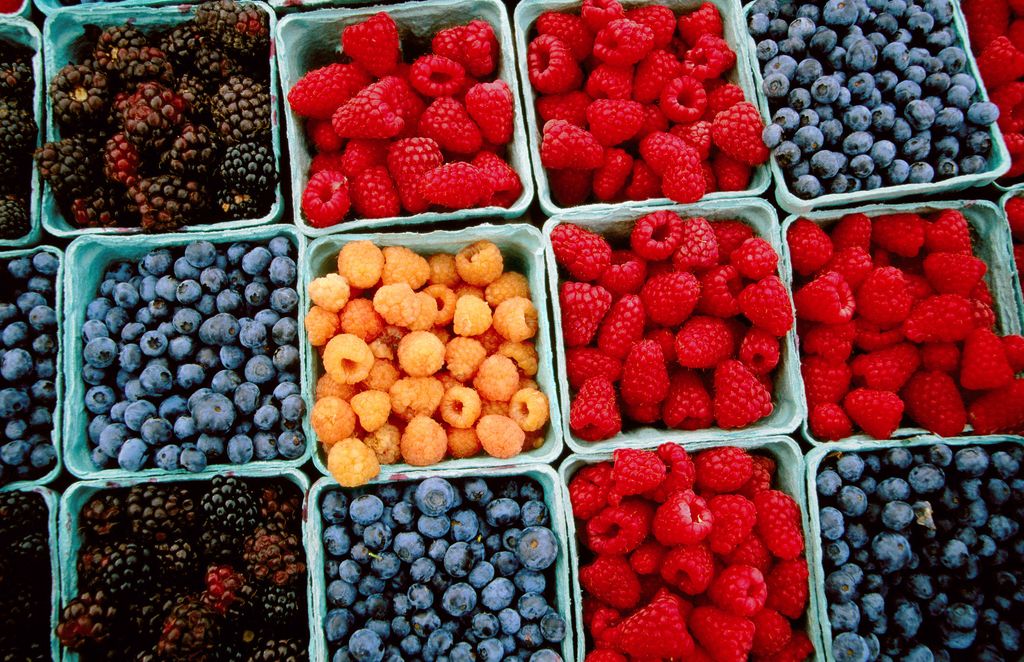
Berries are a great addition to your longevity diet
Berries
“Berries are especially rich in anthocyanins and flavonoids. Studies have linked berry intake with slower cognitive decline and better vascular function. Their polyphenols can cross the blood brain barrier, reduce neuroinflammation, and improve endothelial function, supporting both brain and cardiovascular longevity.”
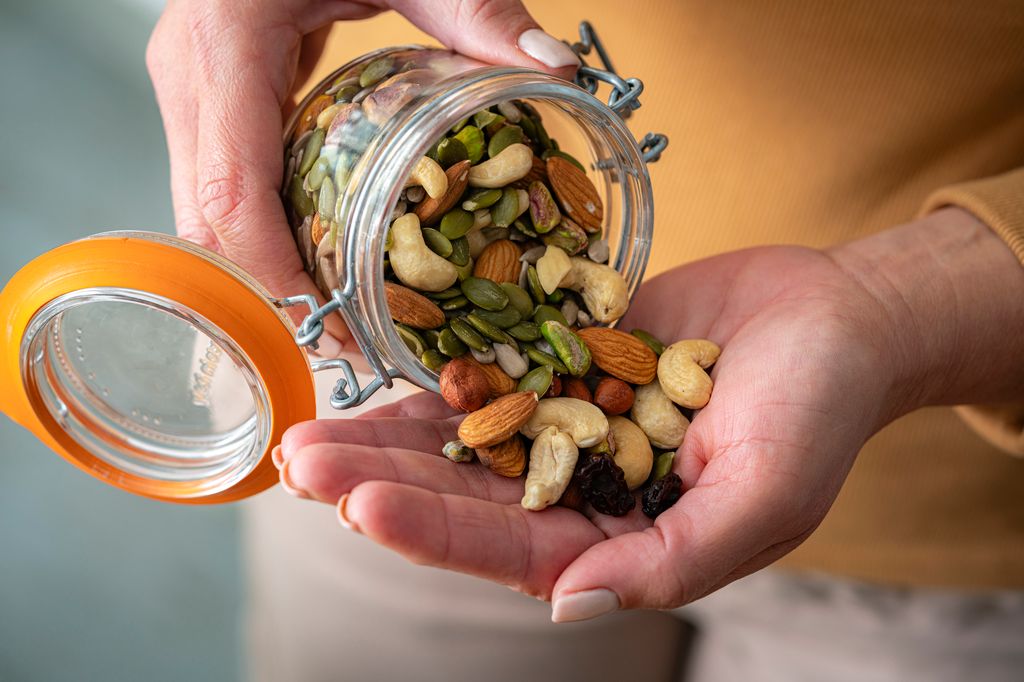 © Getty Images
Nuts are associated with lower risk of cardiovascular disease
Nuts
“Regular nut intake is consistently linked in large prospective studies with lower risk of cardiovascular disease and reduced mortality. Nuts provide monounsaturated fats, vitamin E, magnesium, and polyphenols. They improve lipid profiles, reduce LDL oxidation and lower inflammatory markers such as CRP. Emerging evidence suggests nuts may also support mitochondrial efficiency and autophagy, processes central to healthy ageing.”
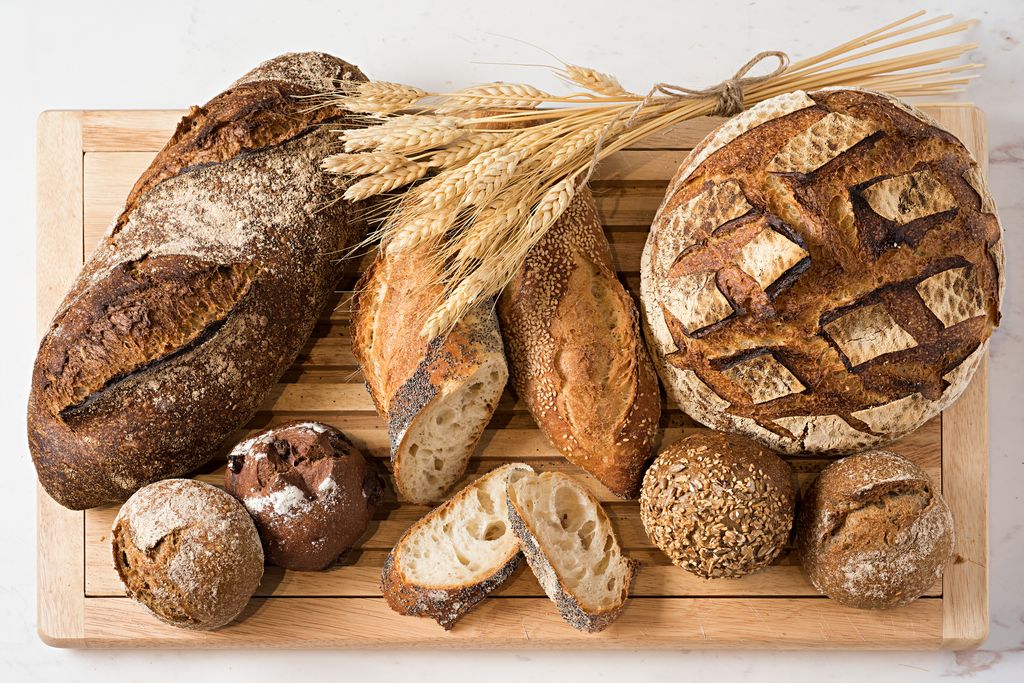 © Getty Images
Consuming more whole grains may support a longer lifespan
Whole Grains
“Higher whole grain intake is consistently associated with improved longevity outcomes, particularly through cardiovascular protection. Beta-glucans and fibre ferment in the gut to produce short-chain fatty acids, which strengthen gut barrier integrity and reduce systemic inflammation. These effects may help regulate mTOR signalling and improve insulin sensitivity, both important in slowing age-related metabolic decline,” said the BANT-registered nutritionist.
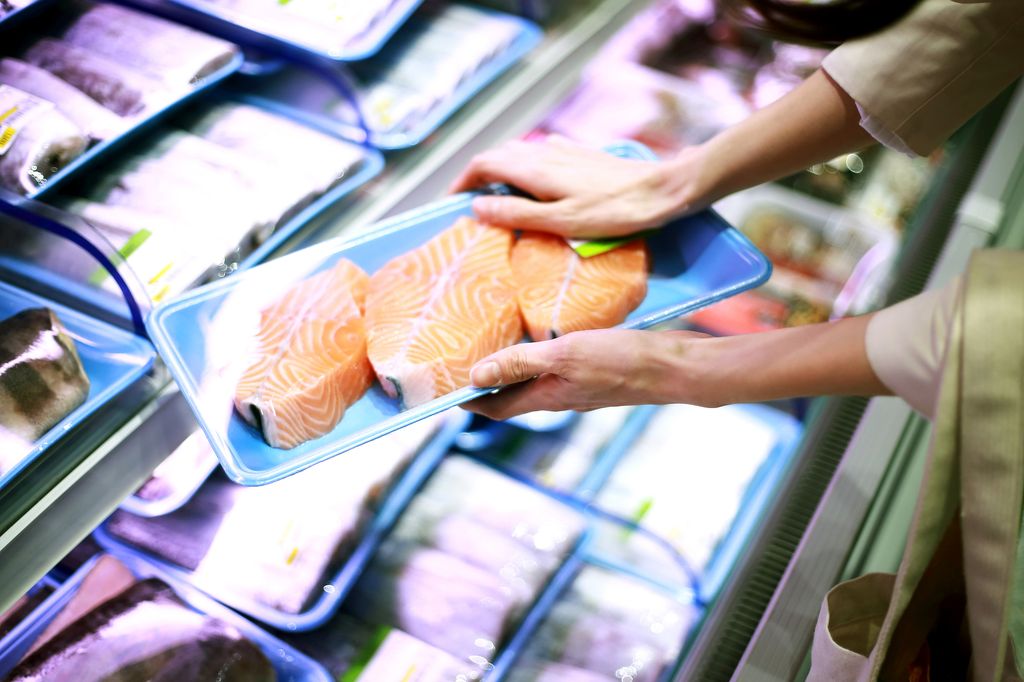 © Getty Images
Fatty fish is a good source of Omega-3
Fatty fish
“Regular intake of omega-3-rich fish is linked with lower risk of cardiovascular disease and improved long-term health outcomes. EPA and DHA produce specialised pro-resolving mediators that help the body actively resolve inflammation. Omega-3s also protect neuronal membranes and support brain structure, which is relevant for cognitive longevity.”
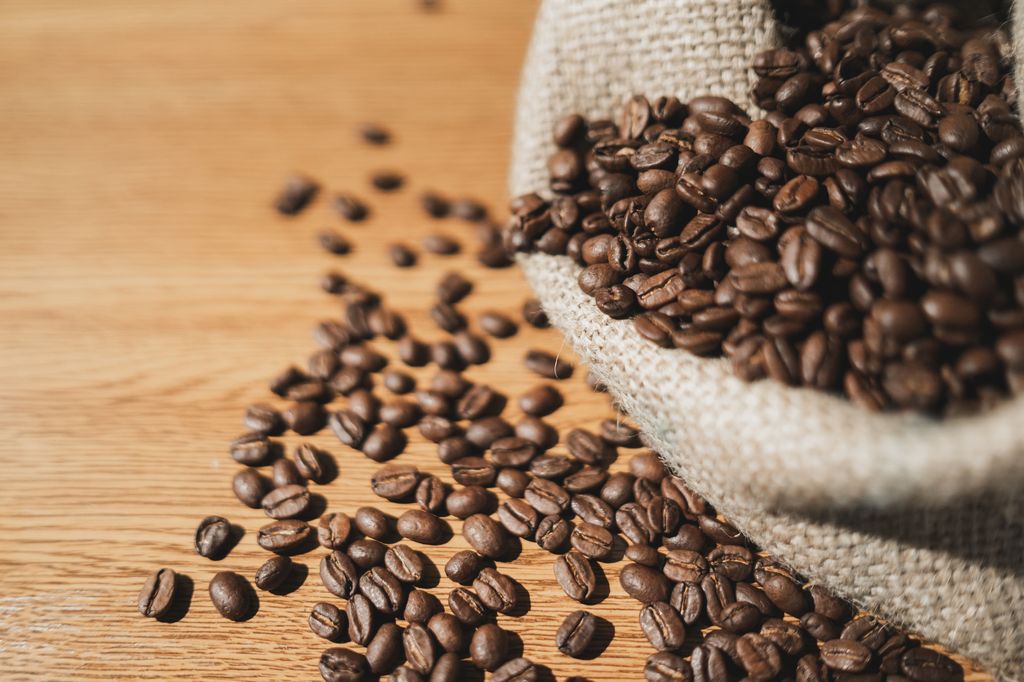 © Getty Images
Coffee intake has been linked with lower risk of many chronic diseases
Coffee
“Large meta-analyses have linked moderate coffee intake with lower risk of premature mortality and reduced risk of several chronic diseases. Coffee is rich in chlorogenic acids and polyphenols that enhance antioxidant defence systems and may support mitochondrial function. Individual tolerance varies, particularly regarding caffeine sensitivity and sleep.”
 © Getty Images
Support gut health with fermented foods
Fermented foods
“Natural yoghurt, kefir, sauerkraut, and kimchi support microbial diversity. A diverse gut microbiome is increasingly recognised as central to immune resilience, metabolic health, and inflammation control. Fermented foods can improve gut barrier function and support healthier inflammatory signalling, which may indirectly influence ageing pathways,” she concluded.
Dining and Cooking