
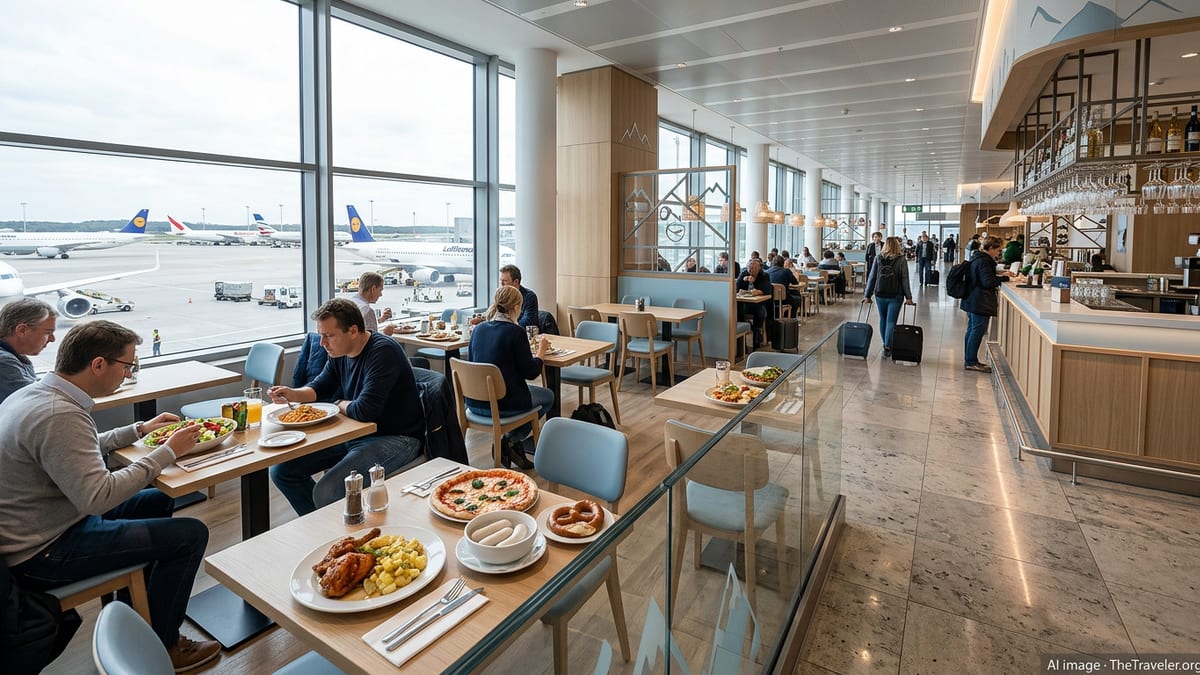
Germany is raising the bar on airport dining as Munich Airport introduces five new restaurant concepts in the newly developed Terminal 1 pier, promising a curated mix of Bavarian classics, Italian favorites and contemporary healthy cuisine for international travelers.
Get the latest news straight to your inbox!
 A Culinary Reboot for Munich’s Oldest Terminal
The new gastronomic line-up in Terminal 1’s pier marks one of the most significant overhauls of Munich Airport’s food offering in recent years, designed to modernize the passenger experience and better reflect the city’s reputation as a culinary gateway to Bavaria and Europe. Airport operator Flughafen München GmbH and its catering partners have developed a portfolio that aims to rival the quality and variety typically found in downtown Munich.
The refresh comes as the airport continues to position itself as a premium European hub, using food and beverage as a key differentiator. Executives describe the new pier as a “feel-good” space where design, service and cuisine work together to slow passengers down, inviting them to linger rather than simply refuel between flights.
Spread across the non-Schengen departure area of Terminal 1, the five concepts are tailored to different travel rhythms, from quick bites before boarding to more leisurely meals during longer layovers. Seating zones, lighting and acoustics have been rethought to create calmer pockets within a busy international environment.
Bavarian Soul: Modern Takes on Regional Comfort Food
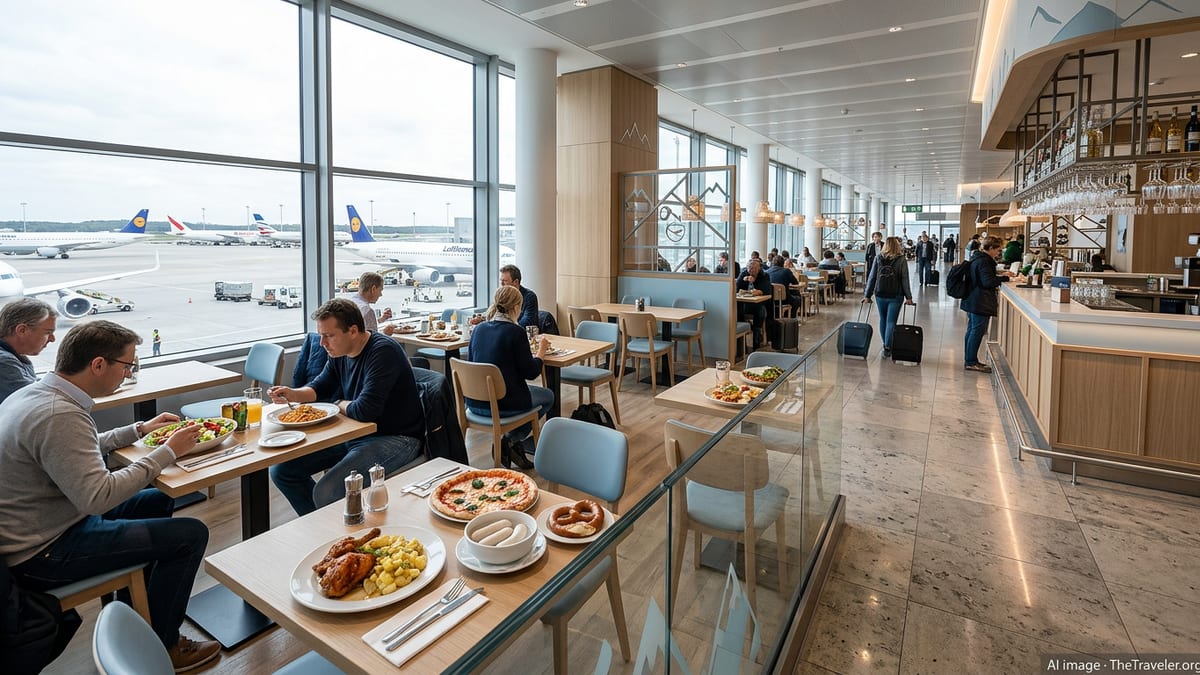
At the heart of the new program is a strong Bavarian thread that reinforces Munich’s regional identity. The standout is Münchner Leibspeise, a multi-station concept that brings together Munich favorites and broader international dishes under one roof. Travelers can expect airport-friendly versions of classics such as roasted half chicken, Munich white sausages and hearty pulled chicken burgers alongside Asian-style options.
The ODEON by Käfer, developed with Munich’s well-known gourmet brand Käfer, adds an urban bar sensibility to the pier. The venue blends bar culture with contemporary deli-style plates, serving everything from refined small bites and modern Bavarian snacks to more substantial dishes suited to longer waits. A strong focus on presentation and ingredients aims to prove that airport food can meet city-center standards.
Design elements echo Bavarian motifs without slipping into cliché. Warm woods, muted color palettes and subtle regional references are intended to feel sophisticated rather than touristic, aligning with the airport’s broader “Bavarian soul” positioning while appealing to a global audience.
Italian Flavors and Mediterranean Comfort
Complementing the Bavarian offer, the restaurant mix includes an Italian-inspired concept that taps into one of the most popular cuisines among European travelers. While individual branding is tailored to the terminal’s commercial strategy, the emphasis is on familiar crowd-pleasers such as fresh pasta, stone-baked pizza and antipasti, paired with a concise selection of wines suitable for pre-flight dining.
The Italian venue is designed as a sit-down restaurant where passengers can enjoy a more traditional meal experience, with table service and a slower tempo than typical grab-and-go counters. Open kitchen elements and visible preparation areas help convey freshness and craft, important considerations for passengers increasingly attentive to quality and provenance.
This Mediterranean angle also brings lighter options that bridge the gap between indulgent comfort food and more health-conscious choices, including simple grilled dishes, salads and vegetarian-friendly plates. For families and business travelers alike, the combination of familiar flavors and a relaxed trattoria-style atmosphere is expected to be a major draw.
Healthy Lifestyles at 30,000 Feet
Recognizing the growing demand for nutritious, flexible meals on the move, one of the new concepts focuses squarely on health-oriented cuisine. The offer highlights freshly prepared salads, bowls and hot dishes built around vegetables, grains and lean proteins, with clear labeling for vegetarian, vegan and halal choices.
The emphasis is on customization, allowing passengers to assemble meals that cater to dietary restrictions or pre-flight preferences, whether they are seeking something light before a long-haul journey or a substantial but balanced plate between connections. Premium ingredients and transparent preparation are central to the concept, seeking to counter lingering perceptions that airport food is overly processed or overly rich.
For time-pressed travelers, the healthy concept also incorporates efficient service formats, including pre-prepared but freshly assembled options and layouts that are easier to navigate with cabin luggage in tow. This aligns with wider industry trends that see airports moving toward “better-for-you” categories without sacrificing convenience.
Designing for Dwell Time and Passenger Experience
Beyond individual menus, the five-restaurant portfolio is carefully choreographed to enhance the overall passenger journey through Terminal 1’s new pier. Operators have paid particular attention to sightlines toward the apron, integrating large windows and varied seating types, from communal tables to quieter alcoves suited to solo travelers or those working on laptops.
The mix of concepts is intended to encourage longer dwell times by offering distinct atmospheres within a compact footprint. A traveler might stop at the bar at ODEON by Käfer for a quick drink, choose a Bavarian dish at Münchner Leibspeise or sit down for a full Italian meal, all without leaving the immediate gate area. This flexibility is especially valuable for non-Schengen passengers, who often face longer security and border-control processes.
Acoustic treatments, warmer lighting and more generous spacing between tables are part of a broader shift away from the purely functional design that once dominated Terminal 1. The result is a more lounge-like environment that aims to make waiting for boarding less stressful, while also increasing commercial appeal for the airport and its partners.
Setting a New Benchmark for German Airport Dining
With these openings, Munich joins a growing number of European hubs using gastronomy as a signature element of their brand. The combination of Bavarian authenticity, Italian comfort and health-forward innovation is meant to signal that high-quality food is now an integral part of the travel offering, not an afterthought.
Industry observers see the project as a test case for how older terminals can be repositioned through targeted investment in food and beverage. For Munich Airport, which already enjoys a strong reputation among frequent flyers, elevating Terminal 1 to match the standards of newer facilities is strategically important as traffic recovers and competition for transfer passengers intensifies.
For travelers passing through the new pier, the change will be felt most immediately on the plate: fresher ingredients, broader choice and spaces designed for lingering rather than simply grabbing a quick snack. If successful, the five new concepts could set a template for future upgrades across the airport and reinforce Germany’s position as a leader in next-generation airport dining.
Dining and Cooking