
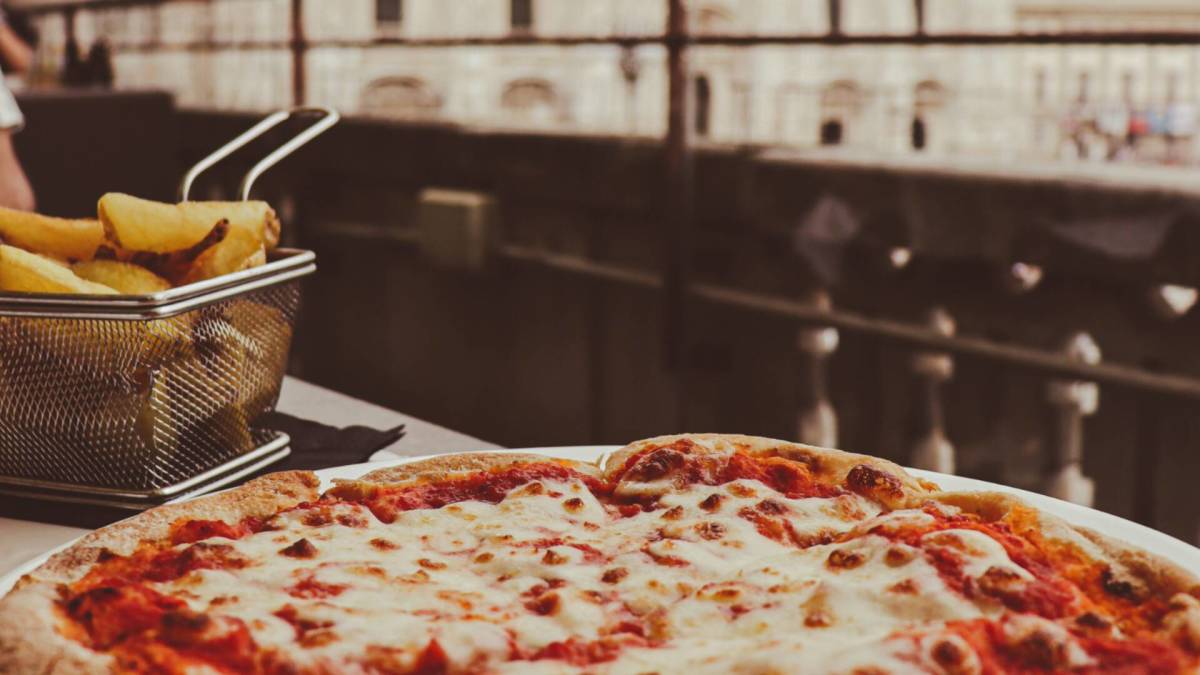
There’s nothing quite like discovering a city through its food. For many travelers, authentic cuisine tells the story of a place’s history, climate, and culture in a way no museum or monument ever could. “Food is one of the most authentic ways to experience a destination because culinary traditions tell the story of a region’s history, culture, and people.” says travel experts at Insight Vacations, explaining why local cuisine is central to meaningful travel experiences.
But what makes a food destination “authentic”? According to a recent analysis of more than 5,000 restaurants across Europe by Saga Holidays, authentic food experiences are those where traditional cuisine is central to daily life, not just tourist menus disguised as local fare. In that study, cities like Milan, Porto, and Madrid emerged as standouts.
Your next trip starts here—get curated travel stories when you sign up for our newsletter.
Milan, Italy – More Than Fashion: A Culinary Heritage
When many travelers think of Italy, pasta and pizza come to mind, but Milan has its own culinary identity rooted in the rich agriculture of Lombardy. In Milan you’ll find Risotto alla Milanese, a luxurious saffron-infused rice dish that is creamy and aromatic, reflecting the city’s historical wealth and culinary precision.
Pair that with Ossobuco alla Milanese, veal shanks slowly braised until fall‑off‑the‑bone tender and accented with zesty gremolata, and you begin to appreciate how Milanese cuisine balances simplicity and sophistication. These dishes are not just delicious; they are part of the rhythm of everyday life here, enjoyed at family gatherings, local trattorie, and celebratory meals alike.
But Milan isn’t stuck in the past. Street‑level specialties like Mondeghili, Milanese meatballs made from leftover meats, show how tradition can meet practicality in a way that still delights modern diners. To really taste Milan’s food soul, consider a walking food tour that winds through neighborhoods like Brera and Porta Garibaldi, introducing you to local eateries and hidden gems along the way.
Related: This Unsurprising European Country Was Crowned a Best Place to Travel in 2026 for Food Lovers
Porto, Portugal – A Port of Rich Flavours
Porto’s food scene feels like a warm embrace from the Atlantic itself. Anchored by centuries‑old traditions and the influence of nearby ocean waters, cuisine in Porto is hearty, oyster‑fresh, and tied intimately to its history as a working port city.
One truly local dish is Tripas à Moda do Porto, a tripe stew with white beans, carrots, and rice that was born out of necessity in the 15th century and became a staple for the people of Porto.
Related: Michelin Names Its Best Places to Travel for Food Lovers
Pair that with Francesinha, a towering sandwich layered with meats, melted cheese, and rich beer sauce, and you begin to taste a city that celebrates bold flavors and comfort. I’ve been to Porto myself and can attest that the food is out of this world, with every bite feeling rooted in authenticity and centuries of culinary tradition. Travelers often rave about the balance of tradition and innovation on Porto’s restaurant menus, and the city’s vibe only adds to the culinary experience.
Madrid, Spain – Where Tradition Meets Tapas Culture
Spain’s capital might be better known for art museums and nightlife, but its culinary traditions are just as profound. In Madrid, hearty dishes like Cocido Madrileño, a chickpea‑based stew with meats and vegetables, reflect the region’s rural roots and seasonal rhythms.
Another classic is Callos a la Madrileña, a stew of slow‑cooked tripe and rich seasonings that’s perfect on a cool evening. Yet Madrid’s authenticity also thrives in its tapas culture — a hop from one bar to another sampling bites like Patatas Bravas, Tortilla Española, Bocadillo de Calamares (a calamari sandwich), and jamón ibérico. These small plates are more than snacks; they’re social food experiences, best enjoyed with locals during an evening paseo.
To really taste Madrid like a local, explore markets like San Miguel or San Antón and take a tapas tour through neighborhoods such as La Latina and Huertas. These walks pair authentic food with cultural insights that deepen your connection to the city.
What Makes These Cities Truly Authentic
So what makes a city a food destination worth traveling for? Here’s how Milan, Porto, and Madrid stand out:
Cultural continuity: Their dishes have histories that stretch back generations, often tied to local ingredients and traditions that remain vibrant today.
Local dining culture: It’s not just about what’s on the plate, but how meals fit into daily life, from Milanese risotto lunches to Porto family dinners and Madrid’s tapas evenings spent lingering over wine.
Hidden gems and neighborhoods: These cities reward those willing to step away from typical tourist routes and explore historic districts, markets, and local taverns where food and conversation flow freely.
Be the first to know about new travel trends, tips, and tales—subscribe now.
Tips for Travelers Who Want Authentic Eats
Eating well on the road is as much about where and how as what:
Seek local markets: they offer fresh ingredients and insights into what locals actually eat.
Ask for recommendations from residents: a neighborhood favorite often beats a tourist trap.
Try food tours led by locals: these pair history and cuisine in a way that feels alive, not scripted.
Personally, my best meals in Europe weren’t the ones with Michelin stars. They were the bowls of stew in a Porto tavern, the shared plates of tapas in Madrid’s plazas, and the risotto that seemed to tell the story of Milan’s fields season by season.
This story was originally published by Parade on Mar 13, 2026, where it first appeared in the Travel section. Add Parade as a Preferred Source by clicking here.
Dining and Cooking