
このページを
日本語
で読む
The 2026 Milan-Cortina Winter Paralympics kicked off on March 6. To support its athletes, Ajinomoto has given Japanese athletes a taste of home through frozen meals. And the crowd favorite? Gyoza (Japanese dumplings), by a landslide.
We spoke online with Shinpei Ashina, Support Director for Ajinomoto’s Victory Project, about the meals. He is currently based at a support hub set up near the athletes’ village in Cortina.
 Views of the town of Cortina d’Ampezzo, one of the Paralympic host venues. (Courtesy of Ajinomoto)
The Paralympics are spread across three venues: Milan, Tesero, and Cortina d’Ampezzo. Cortina is a luxury resort town nestled in the Dolomites, a UNESCO World Heritage Site. However, its mountain location presents logistical challenges. There are no supermarkets or Japanese restaurants near the athletes’ village, and the dining hall serves almost exclusively Italian cuisine with virtually no Asian options, leaving athletes struggling to eat well.
Eating Well in the Mountains
Ajinomoto’s solution was its “Aete” frozen meal range, which only needs to be heated in a microwave.
“They offer a good balance of protein and dietary fiber,” Ashina explained, “which the athletes really appreciate.”
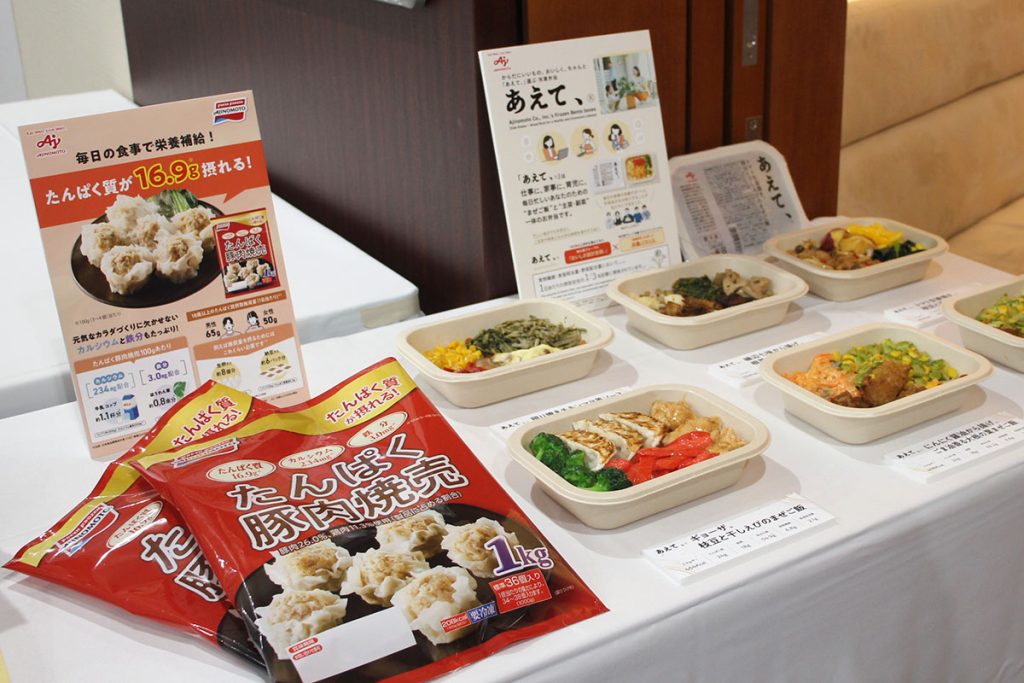 Ajinomoto products provided to Paralympic athletes, unveiled in December 2025. (©JAPAN Forward by Mika Sugiura)
The six-item menu includes dishes like teriyaki chicken with minced chicken rice, gyoza and rice with edamame and dried shrimp, and garlic soy fried chicken with daikon leaf rice.
Because the meals are transported as part of the Japanese team’s luggage, only 200 could be brought — about 18 per athlete. Each athlete selects one meal per day in advance, though those who want to maintain peak condition by eating multiple meals can request extras within their allocation.
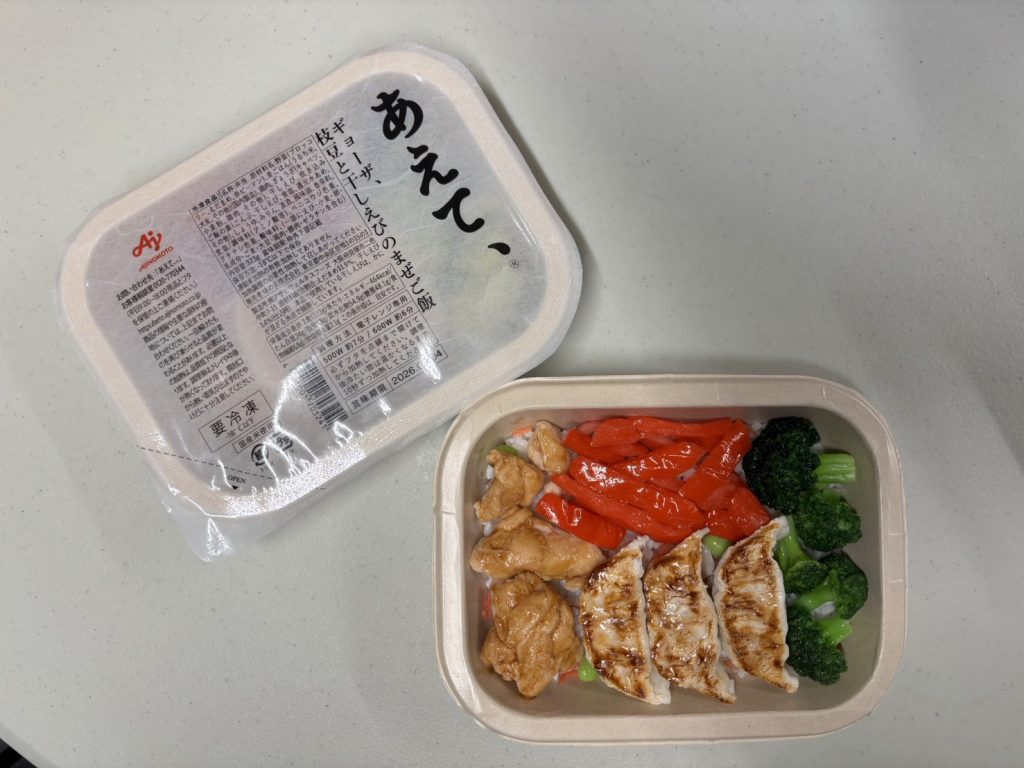 The “Aete” gyoza meal, the most popular item on the menu. (Courtesy of Ajinomoto)
Gyoza Popular as Ever
“Athletes in wheelchairs may have slower metabolism,” Ashina noted. “In the mountains, getting to a restroom isn’t easy, which can cause digestive issues. Being able to take in vegetables, rice, and proper nutrition through familiar Japanese flavors is really important.”
The most popular items are the gyoza and fried chicken sets. On the final day of the Paralympics, the athletes will vote for their favorites.
Snowboarder Junta Kosuda was enthusiastic: “At the Beijing Games, the food just didn’t agree with me, which was really rough. This time, these frozen meals made things so much better. They’re excellent!”
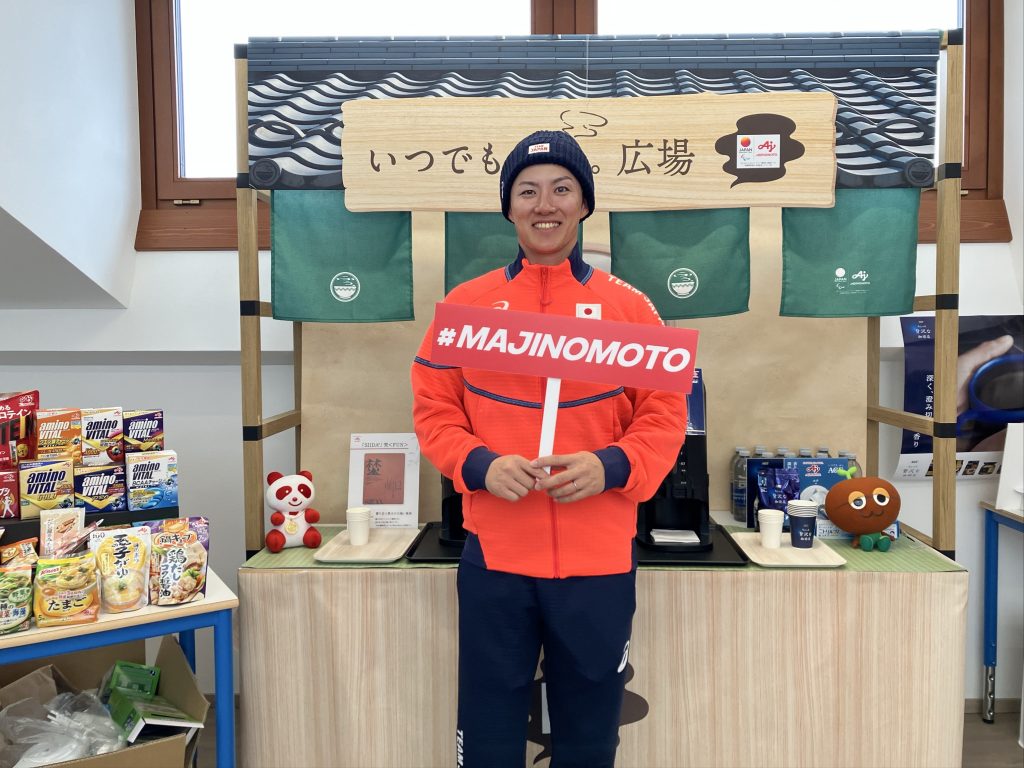 Athlete Junta Kosuda visits the support base. (Courtesy of Ajinomoto)
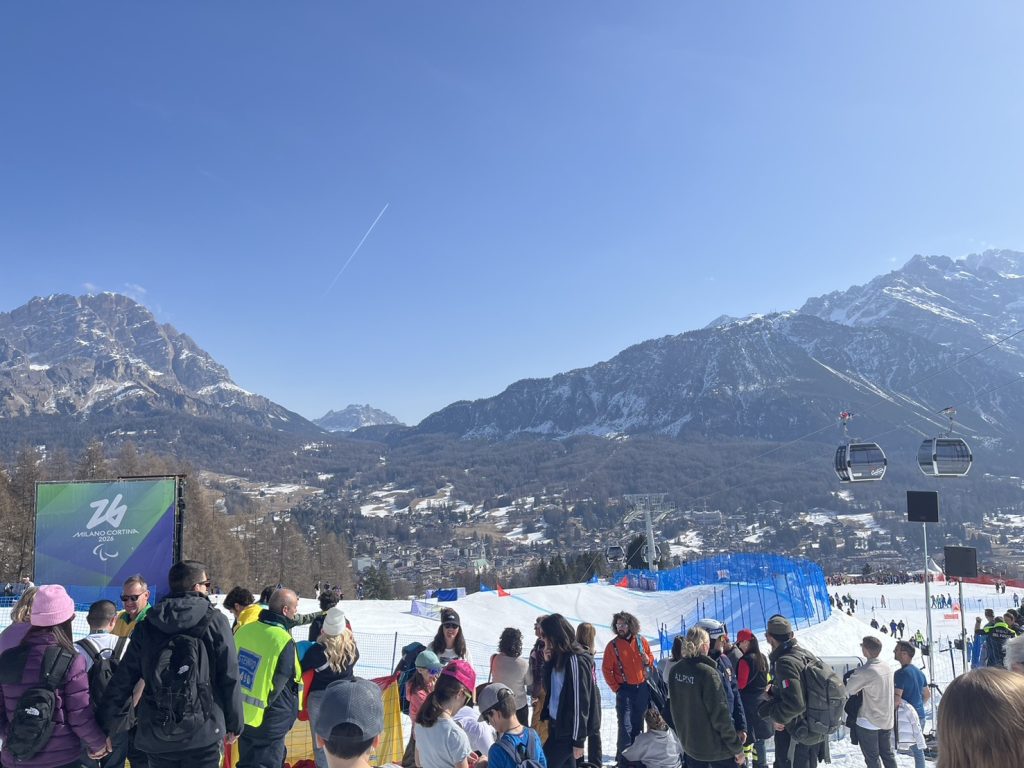 The venue for the para-snowboard competition. (Courtesy of Ajinomoto)
 A First for Ajinomoto
Unlike the Olympics, the Paralympics operate on limited budgets. Within these constraints, Ashina and his team came up with the idea of frozen meals to provide both nutrition and taste in the form of warm food. Initially, colleagues said it would be impossible.
The meals must be kept at -18°C (around -0.4°F) during transport. Any break in the cold chain would not only affect taste but could compromise quality and even upset the athletes’ stomachs. The journey took about 30 hours: from a warehouse in Japan to Haneda Airport, then Venice Airport, where a refrigerated truck was waiting, and finally to the athletes’ village. Staff responsible for the frozen foods accompanied the shipment the entire way. Ashina said he felt a sense of relief when everything was in place on February 27.
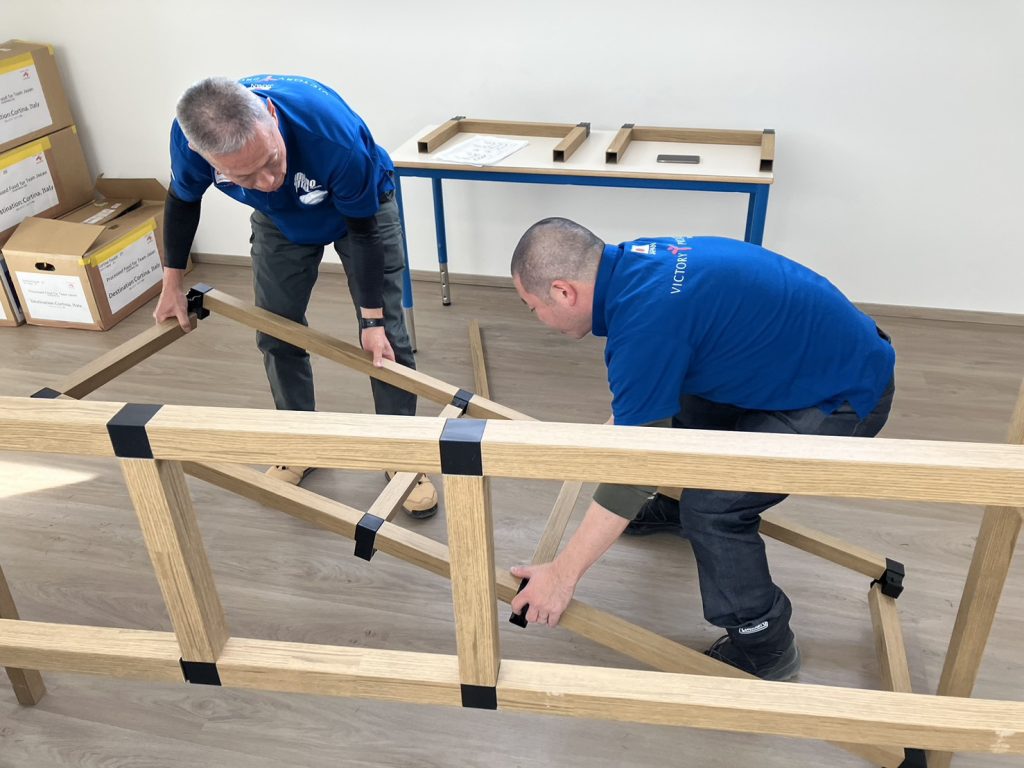 Ashina and staff prepare meals for Paralympic athletes at a base near the athletes’ village. (Courtesy of Ajinomoto)
“Unexpected delays in preparing the local freezer caused some stress, but when we finally delivered everything safely, I pumped my fist in relief,” he said. While Ajinomoto has provided nutrition support since the 2016 Rio Olympics, this was its first-ever frozen food transport.
Mochi Soup
A new addition to the menu this time was “Soup Mocchi” — a combination of freeze-dried soup and mochi that only requires a mug, water, and a microwave. Despite the limited number of frozen meals available, the mochi makes it a filling and satisfying option that has earned high praise from athletes.
“I got the idea while supporting para-athletes at the Asian Youth Para Games in Dubai last year,” said Ashina.
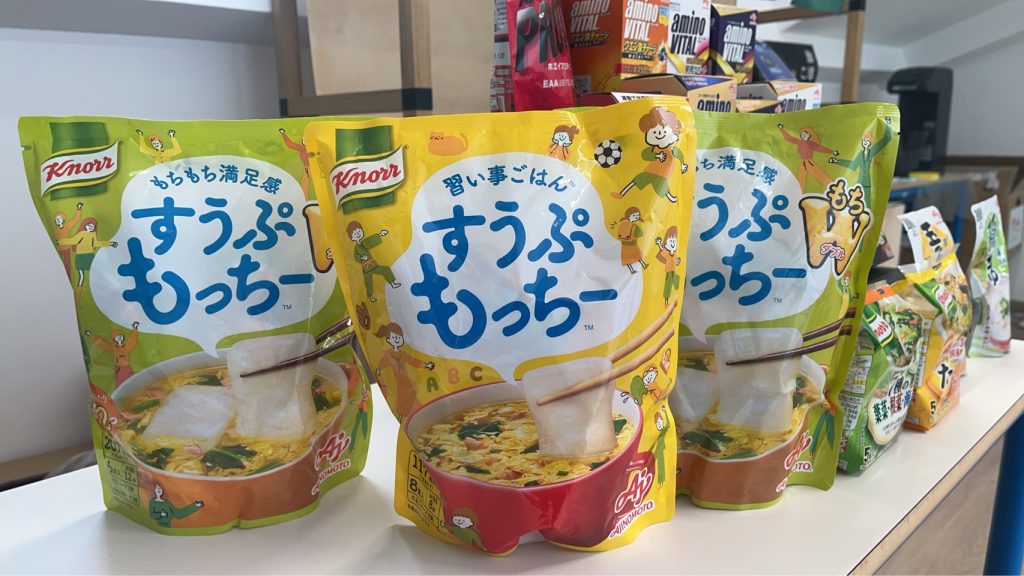 Bags of Soup Mocchi by Ajinomoto. (©JAPAN Forward by Mika Sugiura)
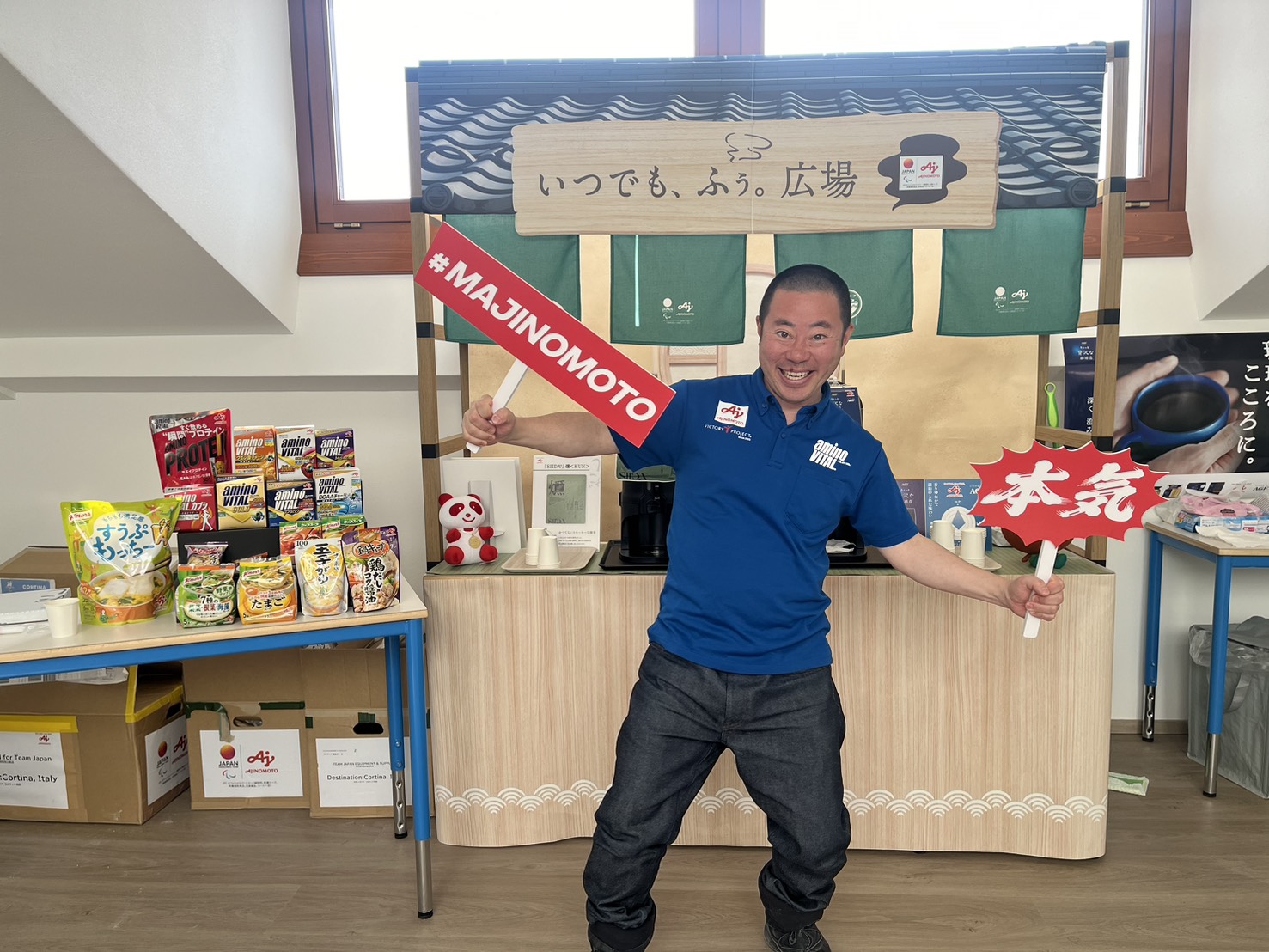
Other popular items include frozen gyoza and “Obento PON,” a frozen line of dishes featuring items like karaage that can be enjoyed as an extra side after natural thawing. There was also the dashi stock booth, a regular fixture at Ajinomoto’s Olympic and Paralympic events. This time, the premium katsuobushi broth “SHIDA” made its debut, giving athletes and staff a place to relax and warm up — one they returned to frequently.
Continued Support for Athletes
Paralympic competition conditions are harsh. Temperatures can rise to around 15°C (59°F) during the day, causing artificial snow to melt and refreeze into ice, resulting in poor snow quality that makes competition not just difficult, but potentially life-threatening.
“Of course, we hope they achieve good results, but just seeing them return safely from competition almost brings me to tears,” said Ashina.
Para-alpine skier Momoka Muraoka won a silver medal in the super-G. Behind the scenes of para-athletes’ achievements, creativity, effort, and dedication continue to support the athletes’ nutrition and food needs.
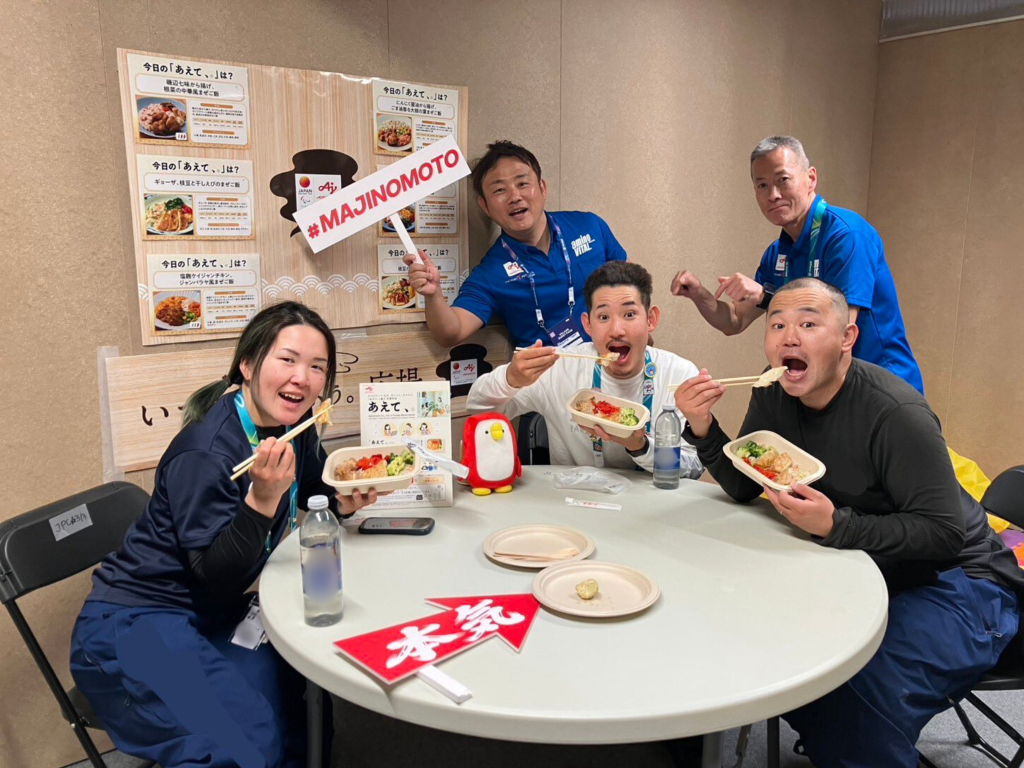 Staff and Paralympic athletes gather around the table. (Courtesy of Ajinomoto)
This report is published in cooperation with Ajinomoto, a logo partner of the JAPAN Forward website Japan 2 Earth focused on initiatives to achieve the SDGs.
RELATED:
Author: Mika Sugiura
このページを
日本語
で読む
Continue Reading
Dining and Cooking