

As the Middle East conflict escalates, someone says “oil” and we picture black rain after oil depot air strikes, or contemplate the largest supply disruption in the history of the global oil market.
But the origins of the word “oil” are found in a different region – the Mediterranean – and in humans’ fundamental connection with nourishment: it is rooted in Greek ἔλαιον elaion, for “olive tree” or “olive fruit”, from ἔλαιο elaio for “olive”, from whence oil was derived.
In a similar vein, the word in Sanskrit – as well as other South Asian languages – for “oil”, तैल taila, can be traced to the oil of sesame तिल tila.
From Greek elaion came Latin oleum “oil, olive oil”, which evolved into the Romance languages’ forms, including Old French oile/uile becoming Modern French huile, Italian olio, Spanish óleo. Spanish also has aceite – as a synonym for óleo, as oil generally, and as a specific word for cooking or olive oil – this derived from aceituna “olive”, from Arabic az-zaytūna.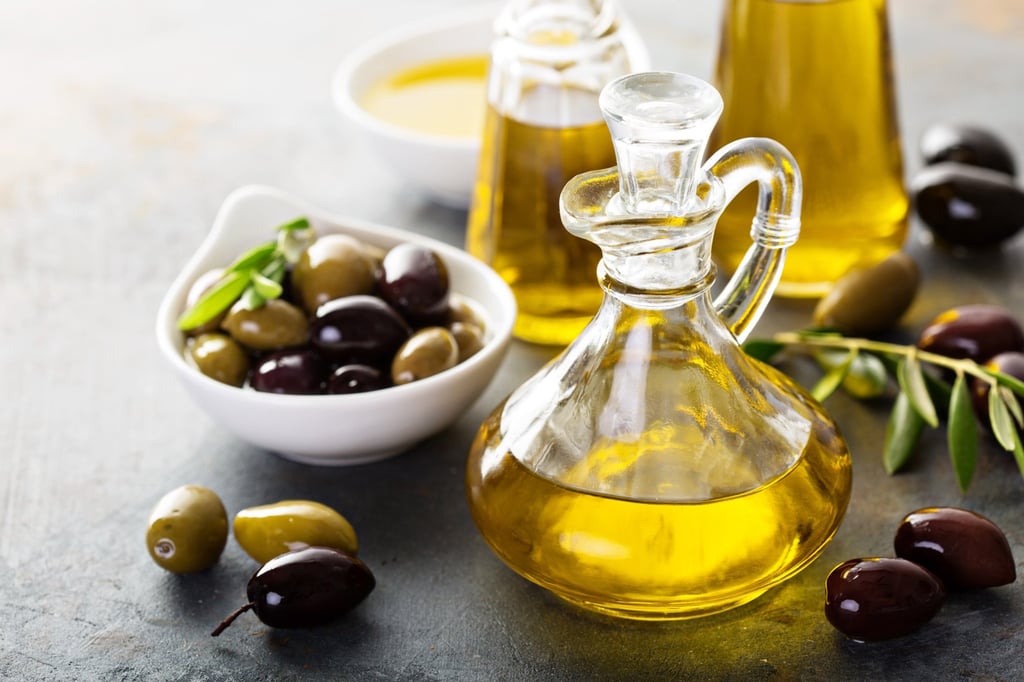 Until the beginning of the 14th century, the English word oil denoted “olive oil” exclusively. Photo: Shutterstock
Nearly all other European languages’ words for “oil” are from Greek, for example, Central and Eastern Europe’s Hungarian olaj, Croatian ulje, Polish olej, Albanian uli and Lithuanian alejus. Celtic and Germanic words, however, came via Latin, giving, for example, Gaelic uill, Early Irish ola, Dutch olie, German Öl and Old English æle/ele.
Dining and Cooking