
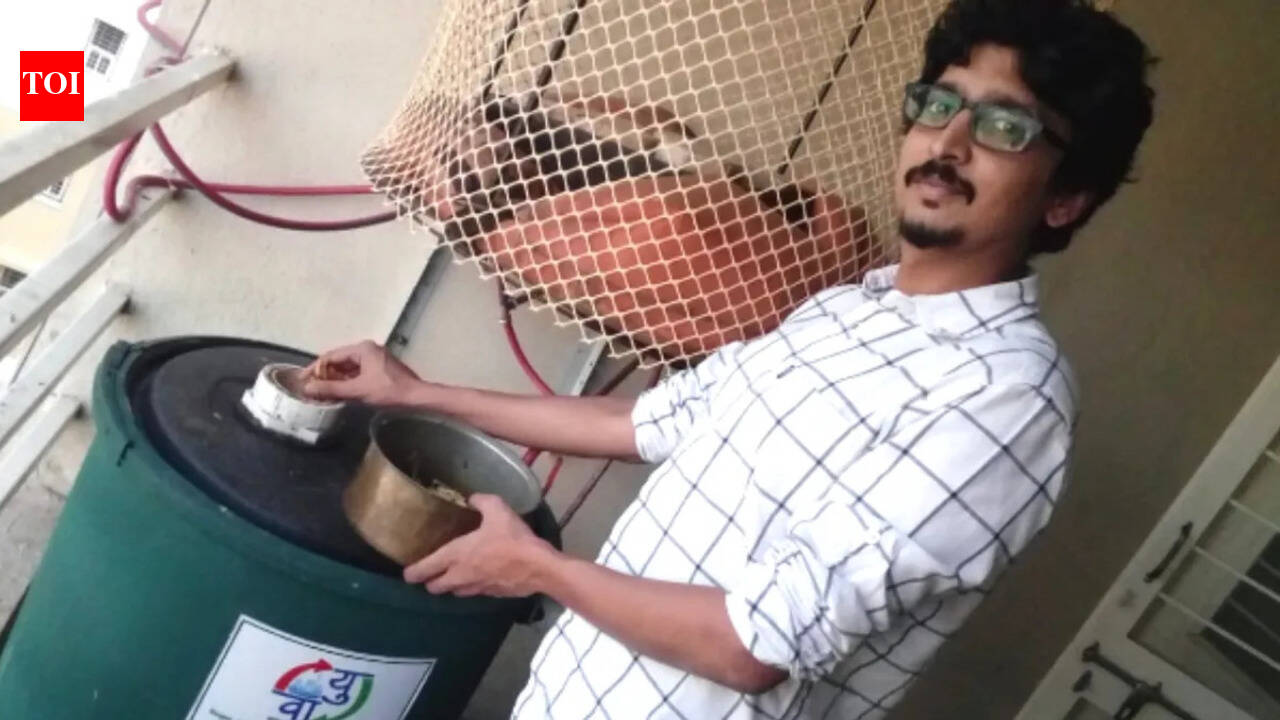
 An engineer’s observation of kitchen waste led to the development of Vaayu, a domestic biogas plant that converts organic scraps into cooking fuel. This innovation not only reduces landfill waste but also significantly cuts household reliance on LPG cylinders. The initiative has grown into a movement, empowering communities and transforming waste into a valuable resource. In most Indian homes, the kitchen dustbin quietly fills up each day with vegetable peels, leftover rice, fruit skins and spoiled food. Once thrown away, the waste vanishes from sight, usually ending up in landfills where it slowly rots and releases harmful gases into the air. At a time when fuel supply disruptions and rising LPG dependence have become pressing concerns for kitchens across the country, the search for alternative sources of energy feels increasingly urgent. For Pune-based engineer Priyadarshan Sahasrabuddhe, that urgency began with a simple observation at home and a question that refused to leave him: what if everyday kitchen waste could become cooking fuel? Scroll down to read more…
Poll
Do you believe that kitchen waste can be effectively converted into cooking fuel?
A question hidden in the kitchen
The Pune-based engineer and alumnus of the Indian Institute of Technology Bombay decided to search for an answer inside his own home. A few years ago, while working at his family’s business, he noticed how much leftover food was being discarded after meals. The sight stayed with him. At first, he experimented with composting to reduce the waste, but the solution felt incomplete. The organic waste still held untapped potential.
Tharoor Exposes Reality of LPG Shortages, Questions Modi Govt’s Claims
Discovering fuel in food scraps
As he researched further, he began exploring the science of biofuels. What he discovered was both simple and powerful: the same organic waste produced in kitchens could be broken down by bacteria to produce methane gas, a clean fuel that can be used for cooking. Instead of sending waste to overflowing landfills, households could turn it into energy. 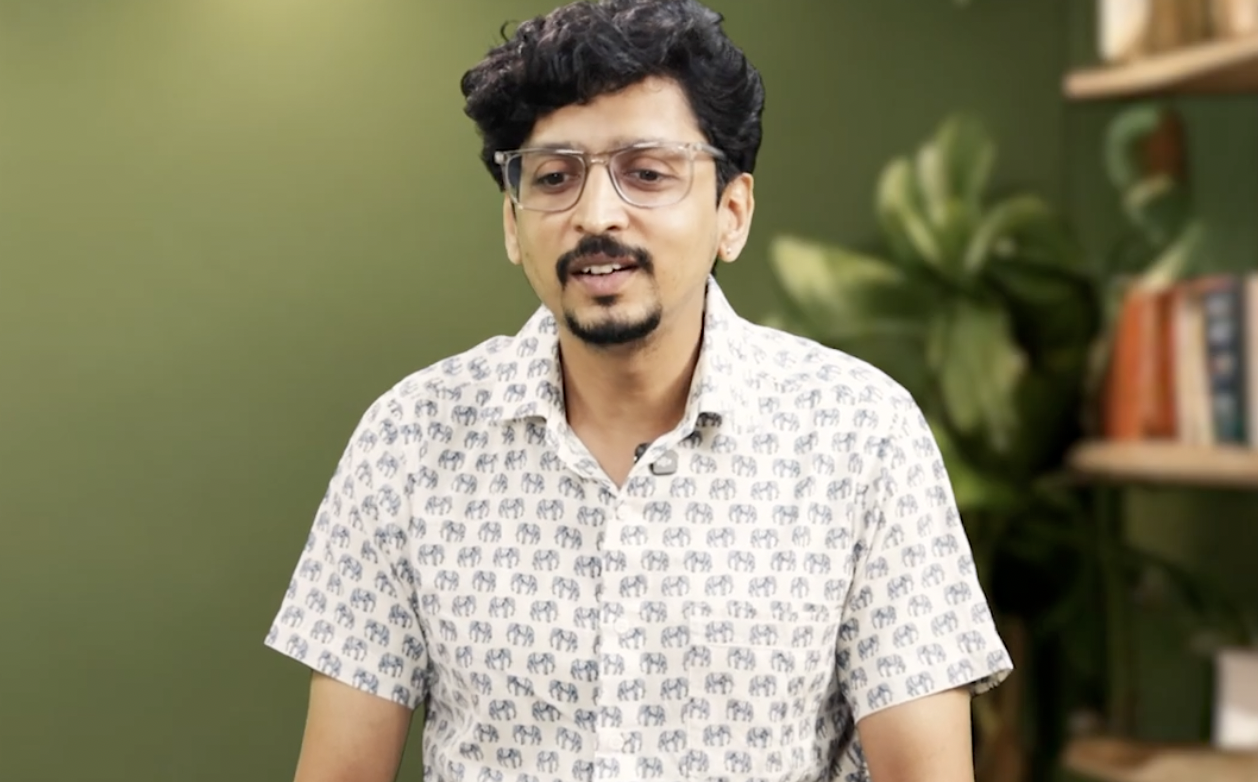 In 2017, that idea took shape as Vaayu, a compact domestic biogas plant designed for ordinary homes. The system converts organic kitchen waste into methane through a natural process known as anaerobic digestion. Over time, many households began to realise that the gas produced could be piped directly to a stove, while the leftover slurry could serve as nutrient-rich manure for plants.
A home experiment that worked
For Sahasrabuddhe, the experiment began at home. Using food scraps collected daily, his system started producing around 800 litres of biogas a day, enough to meet a large part of his household’s cooking needs. The result was striking: the family reduced its reliance on LPG cylinders significantly, saving several cylinders every year. But the technology was only one part of the challenge. The bigger hurdle was changing habits.
Convincing a neighbourhood
In the initial phases of his initiative, Sahasrabuddhe took the time to personally visit each neighbor in his apartment complex, taking the opportunity to explain in detail the critical importance of separating organic waste from regular trash. Each morning, he would make his rounds, going door to door to remind residents about the necessity of waste segregation. On particularly challenging days, he even went so far as to collect organic waste himself from nearby trash bins, all in a dedicated effort to keep the waste segregation system operational.Over time, a sense of curiosity gradually began to supplant the initial hesitation that had previously held them back. As residents from neighboring households observed firsthand the astonishing transformation of kitchen scraps into utilizable cooking gas, they felt encouraged to get involved and actively participate. Presently, the local community collectively contributes a remarkable total of nearly 8 to 10 kilograms of organic waste on a daily basis to the system.
From experiment to movement
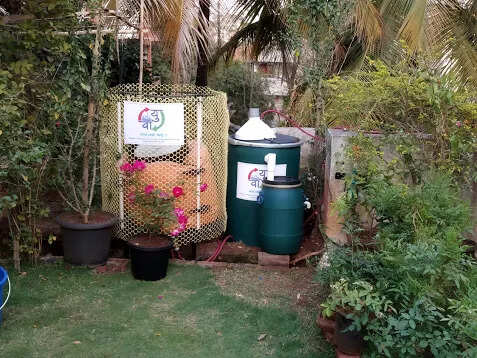 What initially started as a personal endeavor has rapidly transformed into a small yet impactful movement. Through his innovative startup, Sahasrabuddhe has successfully installed over a hundred Vaayu units across various cities, including Pune, Nashik, Hyderabad, and Aurangabad. Collectively, these installations are capable of processing nearly two tonnes of food waste on a daily basis, while simultaneously reducing the consumption of hundreds of LPG cylinders each year.Sahasrabuddhe’s vision encompasses much more than just technology alone; it takes on a broader perspective. He has taken the initiative to organize an informal community known as Vaayu Mitra, where like-minded individuals who are passionate about sustainable living and effective waste management can gather and share ideas. This particular group motivates households to embrace biogas solutions as a viable option and provides training for waste collectors to efficiently operate these systems. This effort contributes to transforming them into local sources of energy supply. For Sahasrabuddhe, the underlying message is both straightforward and profoundly impactful. He emphasizes that organic waste should not simply be seen as refuse that needs to be thrown away; rather, it is a valuable resource that is ready and waiting to be acknowledged and utilized.
Rethinking what we call waste
In a country where landfills continue to grow and air pollution remains a pressing concern, small household solutions may not solve the crisis entirely. But they can begin to change the way people think about waste.For Sahasrabuddhe, the fundamental shift in mindset that she advocates represents the very essence of what true transformation entails. Each and every kitchen scrap that is creatively repurposed into a valuable source of fuel acts as a powerful symbol and a poignant reminder of a significant truth: environmental change does not always require sweeping policies or groundbreaking technologies. In fact, more often than not, it begins in a subtle manner within the intimate setting of a household kitchen, sparked by an individual who has the courage to ask a simple yet profoundly impactful question about the items we decide to throw away.
Dining and Cooking