
Why plastic prices are surging: summaryStrait of Hormuz tensions are rapidly driving up global plastic costsMiddle East supply cuts are disrupting polyethylene and key packaging inputsAsian manufacturers face early shortages as seaborne naphtha flows shrinkFood and drink producers expect rising packaging, fuel and transport expensesBrands may shift sourcing to US plastics rather than adopt alternatives
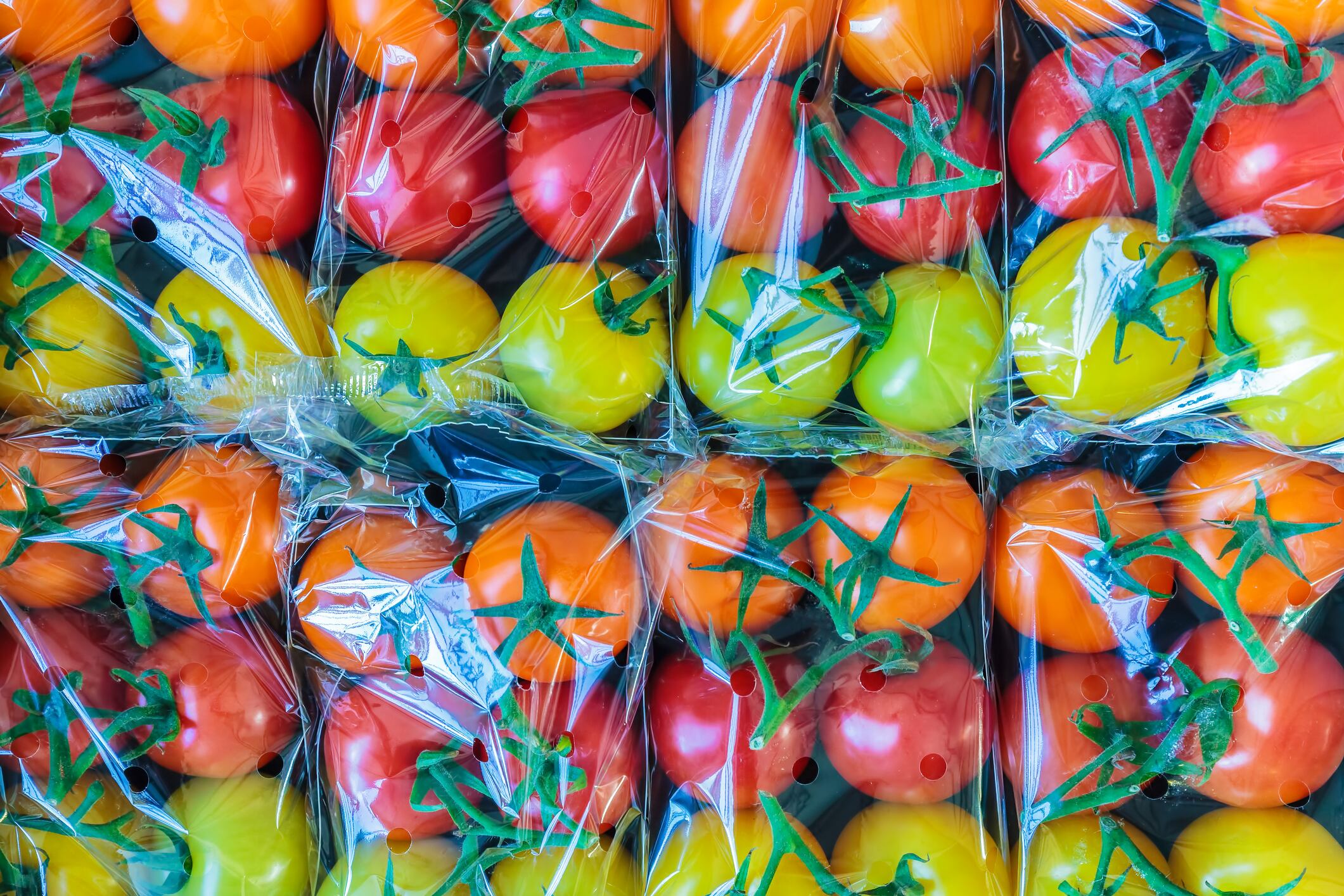
The food and beverage industry is inherently tied to plastic. As much as 40% of global plastic packaging is dedicated to the sector, with the vast majority of ready meals, bread, rice, cereals, meat, fish and dairy products packaged in plastic.
And that’s not even getting started on beverages: an estimated 600bn plastic bottles are produced globally for water alone, every year.
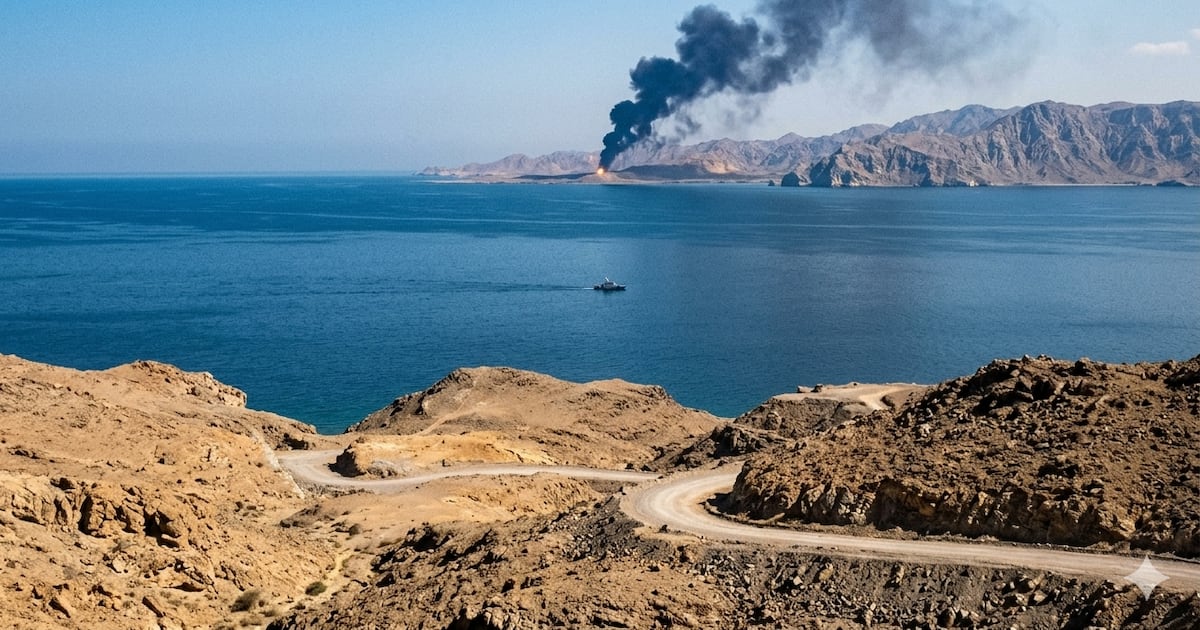
So it’s big news for F&B when plastic prices soar. And that’s what’s forecast to happen, imminently, due to rising tension in the Middle East and attacks on a vital oil choke point: the Strait of Hormuz.
How the Iran crisis is impacting plastics
Following attacks from the US and Israel, Iran has effectively shut down the Strait of Hormuz – a narrow waterway connecting the Persian Gulf and the Gulf of Oman. For container ships, it’s the only passage from the oil-rich gulf to the Indian Ocean.
Iranian officials declared that any vessel attempting to pass through the key transport route would be set ablaze. And true to their word, attacks have started on ships in the Strait, according to a British navy-run monitoring system.
With oil and gas supply now squeezed, prices are soaring. Crude oil jumped as high as 39% in Europe in a day; a shortage of liquefied natural gas (LNG) is also driving up prices, not helped by the suspension of production in some areas. Qatar, for one, has halted production. “A prolonged shutdown could trigger a major gas market shortage,” says Andrew Woods, senior market reporter at market analyst Expana.
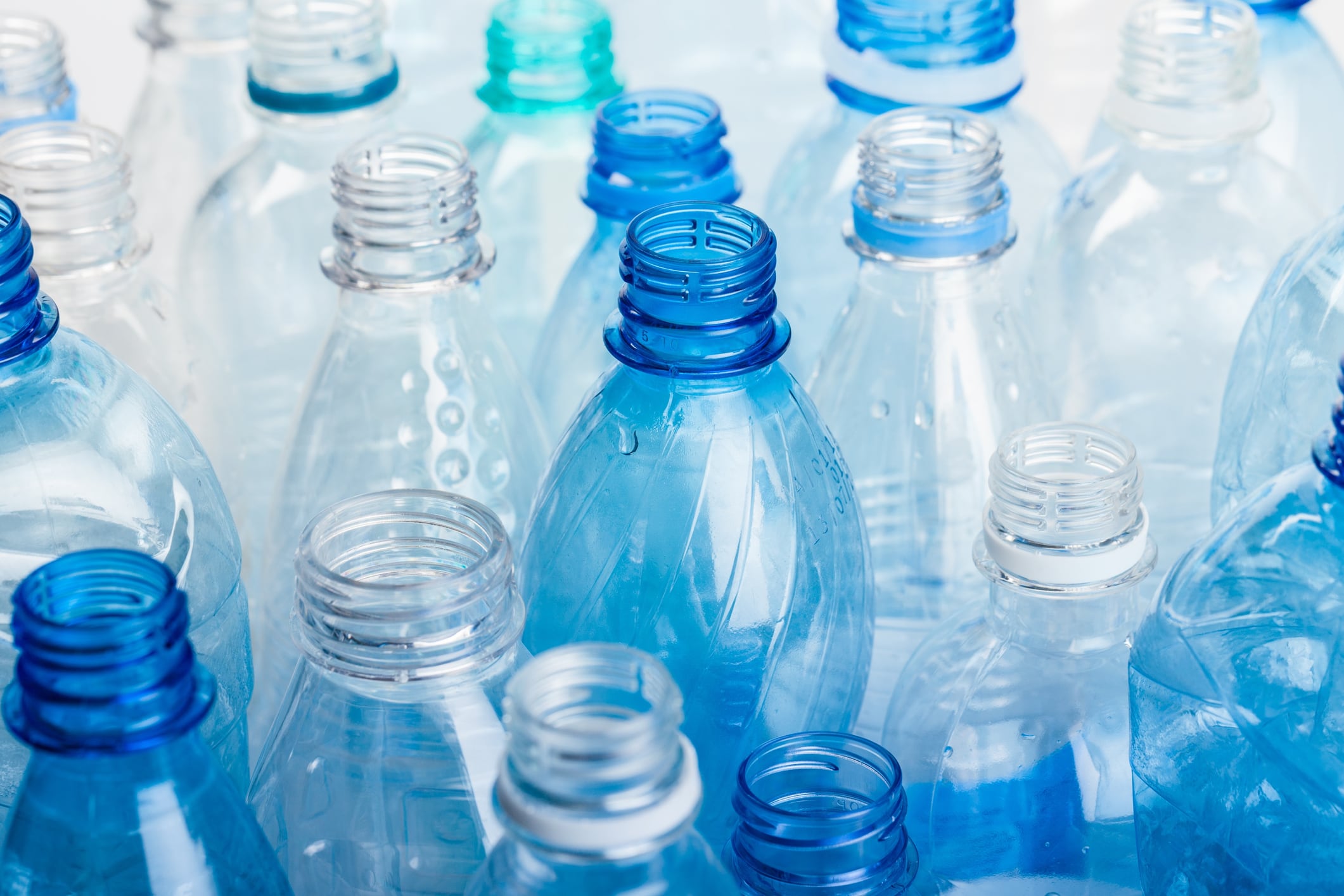 Most of Asia’s seaborn naphtha comes from the Middle East, putting strain on plastic production in the region. (artisteer/Image: Getty/Artisteer)
What does all this mean for plastic? Well, a lot. It’s estimated between 4-8% of global oil and gas is used in the production of plastic. And the vast majority of Middle East polyethylene capacity – used in packaging and bottles – as well as regional exports of other packaging inputs like methanol, ethylene glycol and polypropylene, depend on the Strait.
Asia faces particular supply challenges, with most of its seaborne naphtha – the primary raw material for plastic packaging production – coming from the Middle East.
The short to medium term impact on plastic packaging
Indeed, it appears the plastic packaging crisis is hitting Asia first. Commodity analysts have already noticed Asian plastics prices rising quickly, with many companies declaring “force majeure” – a legal mechanism that allows them to pause or reduce supply without penalty. With deliveries blocked, they don’t have enough fuel to run their facilities, which are dedicated to turning raw chemicals into plastics.
Which plastics companies in Asia are pausing or reducing supply?
Companies to have already declared “force majeure” include: Qatar Energy, Kuwait Petroleum Corporation, Mangalore Refinery and Petrochemicals, Gujarat Gas Ltd, Petronet LNG, Rayong Olefins, Wanhua Chemical, Shell, Zhejiang Petrochemical Corp, Yeochun NCC, PCS, Aster Chemicals and Energy, Binh Son Refining and Petrochemical, and PT Chandra Asri Pacific.
The price of plastics is already on the up, and analysts forecast that to continue in the coming days and weeks. “I’d expect global plastics and packaging prices to rally in the short to medium term,” says Stephen Butler, CCO and co-founder of commodities forecaster ChAI.
Implications for food and drink manufacturers
When the price of plastic soars, almost every industry feels it. But given its reliance on packaging, the food and drink industry suffers more than most. “Significant disruption will now occur within the global chemicals industries, and higher plastics and packaging costs are inevitable,” confirms Butler.
Also read → Iran closes Strait of Hormuz: Which foods will get pricier?
But food and beverage face concerns that go beyond higher plastic packaging costs. Another type of packaging, glass, is also expected to be hit by the conflict. Prices are already rising for the highly energy-intensive material, with knock-on effects expected for makers of beer, wine and spirits.
Fertiliser production is another one for industry to keep on its radar. The Middle East is the world’s largest producing and exporting region of sulphur, a widely used input in fertilisers. And more broadly, energy shocks are expected to have ripple effects across food, including in the cost of transport.
 F&B need to worry about more than just packaging – fertiliser prices, too, are expected to rise. (DutchScenery/Image: Getty/DutchScenery)
“Companies will be negatively impacted by higher fuel prices, higher freight costs, higher insurance premiums, likely higher inflation, longer delivery lead times, and increased working capital pressure,” says Butler. “It’s not just the packaging prices they need to worry about.”
A move towards sustainable alternatives?
Of course, the impact on food and beverage wouldn’t be so great had the sector moved more completely over to plastic alternatives – a transition already underway, but moving slower than sustainability advocates would like.
Also read → Learn more about packaging innovation at Rethinking Materials London
As the saying goes: necessity is the mother of invention. Is now the time a more transformative shift away from fossil fuel-based packaging towards alternatives could take place?
The commodity specialist is sceptical. Food and beverage companies need fixes now – or more likely, they needed them yesterday. “Even if alternatives were available, the transition would take time because adoption could be slow,” he explains.
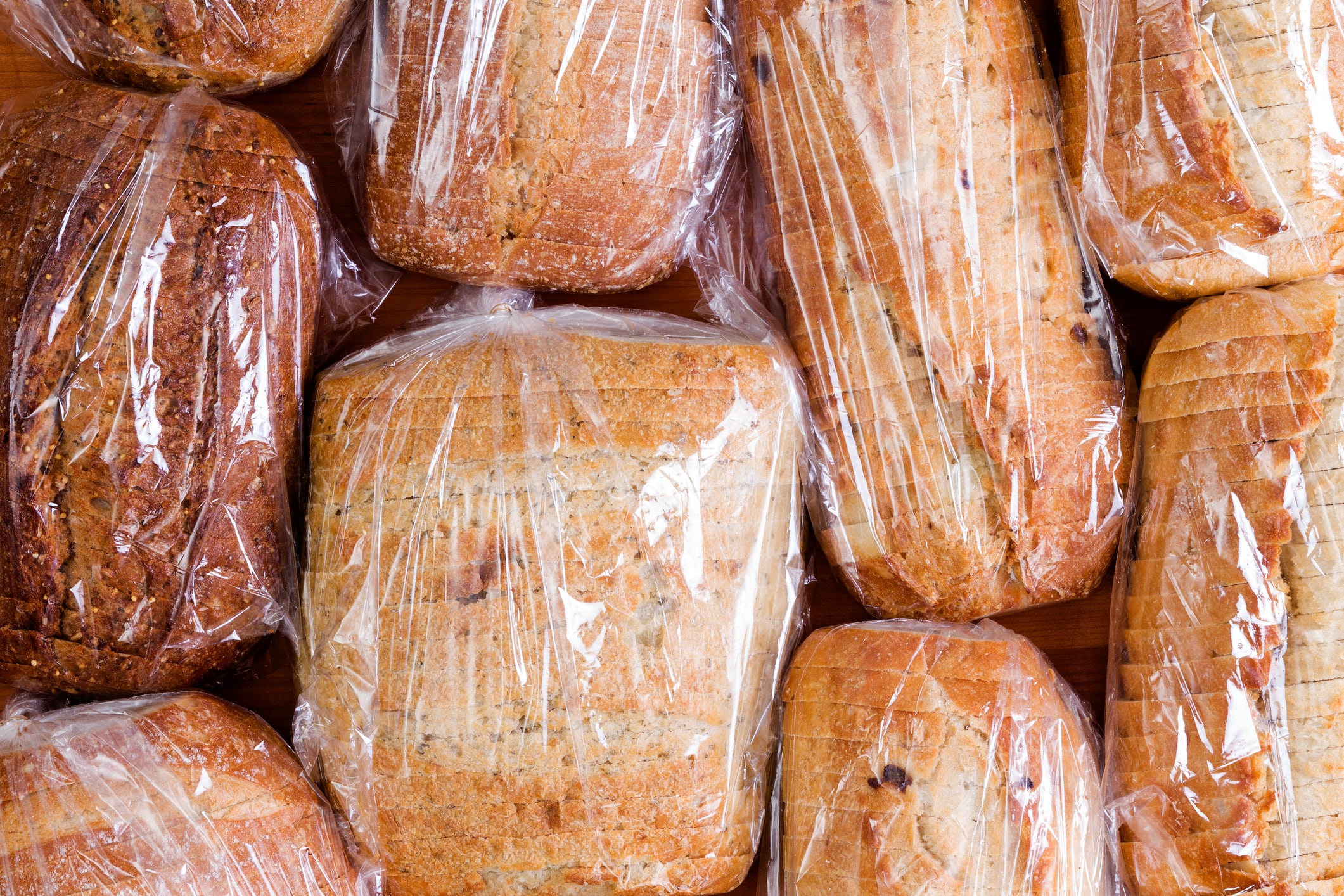 Most packaged bread is wrapped in plastic – could a price spike encourage alt plastic innovation? (Ozgur Coskun/Image: Getty/Ozgur Coskun)
What’s more likely, is that brands will look elsewhere for plastic inputs and packaging materials. “Companies relying on existing supply chains are likely to turn to US-based plastics manufacturers first to fill the gap, rather than adopt new alternative materials.”
Plastic packaging crisis: a longer term view
Key raw materials for plastic packaging – including LNG, natural gas and crude oil – are expected to remain elevated for some time. However, discussions are already underway exploring ways to ease pressure on global oil markets.
One short‑term option being floated is lifting sanctions on Russian oil and gas. US President Trump eased some sanctions over the weekend – an unpopular decision in Europe. Another would be boosting production from non‑Middle East members of OPEC, which include Algeria, Republic of the Congo, Equatorial Guinea, Gabon, Libya, Nigeria and Venezuela. Releasing oil from strategic petroleum reserves is another, and last week, 32 member countries of the International Energy Agency did just that – making 400m barrels of oil from their emergency reserves available to the market. “All these actions have caused oil prices to fall back from above $100 (€86) a barrel,” says ChAI’s Butler.
“Asia and Europe will be the ones paying higher prices though for gas in the shorter term, as replacing Qatar’s LNG cut-off is harder than replacing oil.”
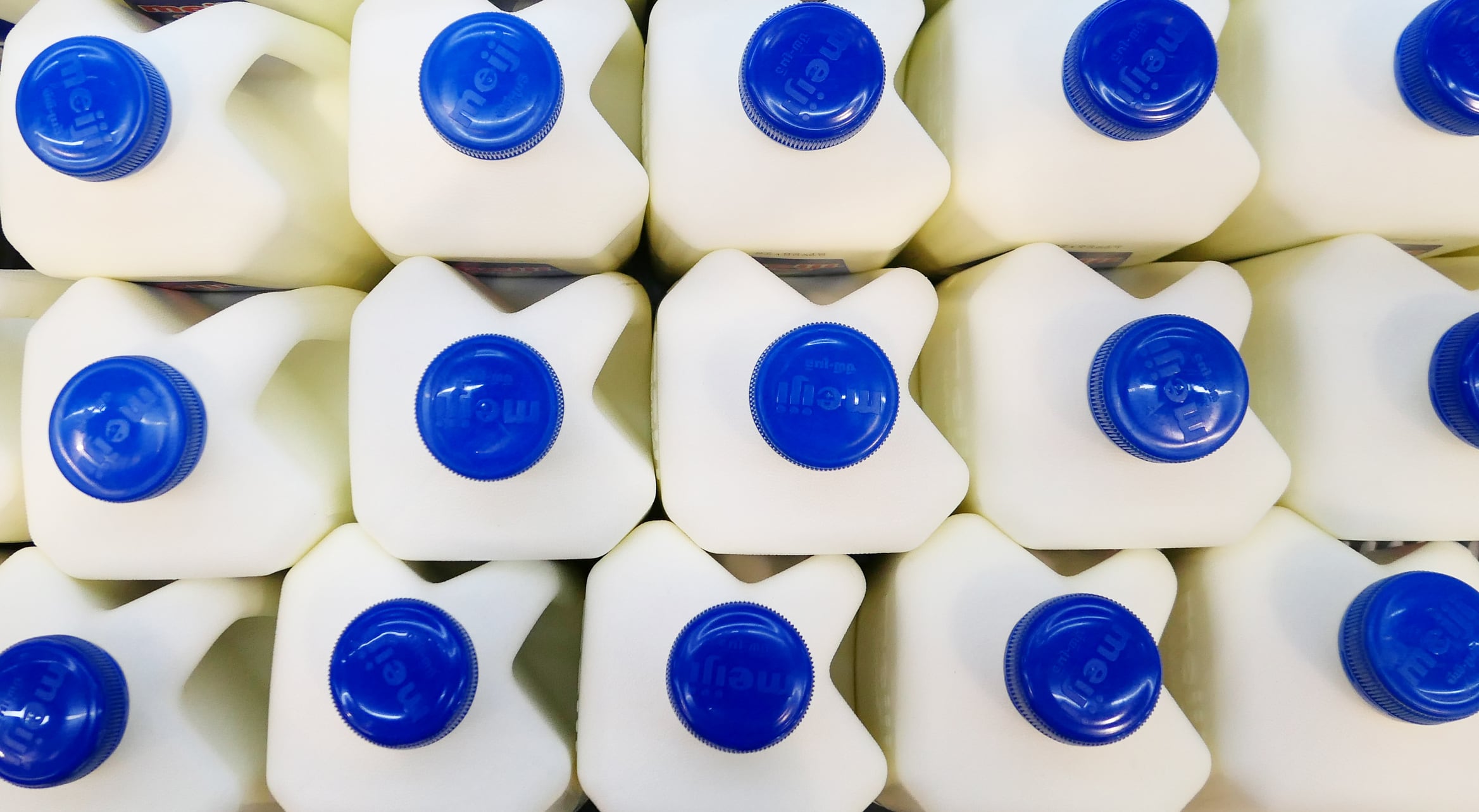 Top view of bottles with milk (RusN/Image: Getty/RusN)
As to how the plastics manufacturers themselves are responding, membership body Plastics Europe tells us they’ll continue to monitor the situation closely. “This situation underscores the strategic importance of secure and diversified access to energy and raw materials for Europe’s industrial value chains.”
Dining and Cooking