
Fact checked by Nick Blackmer
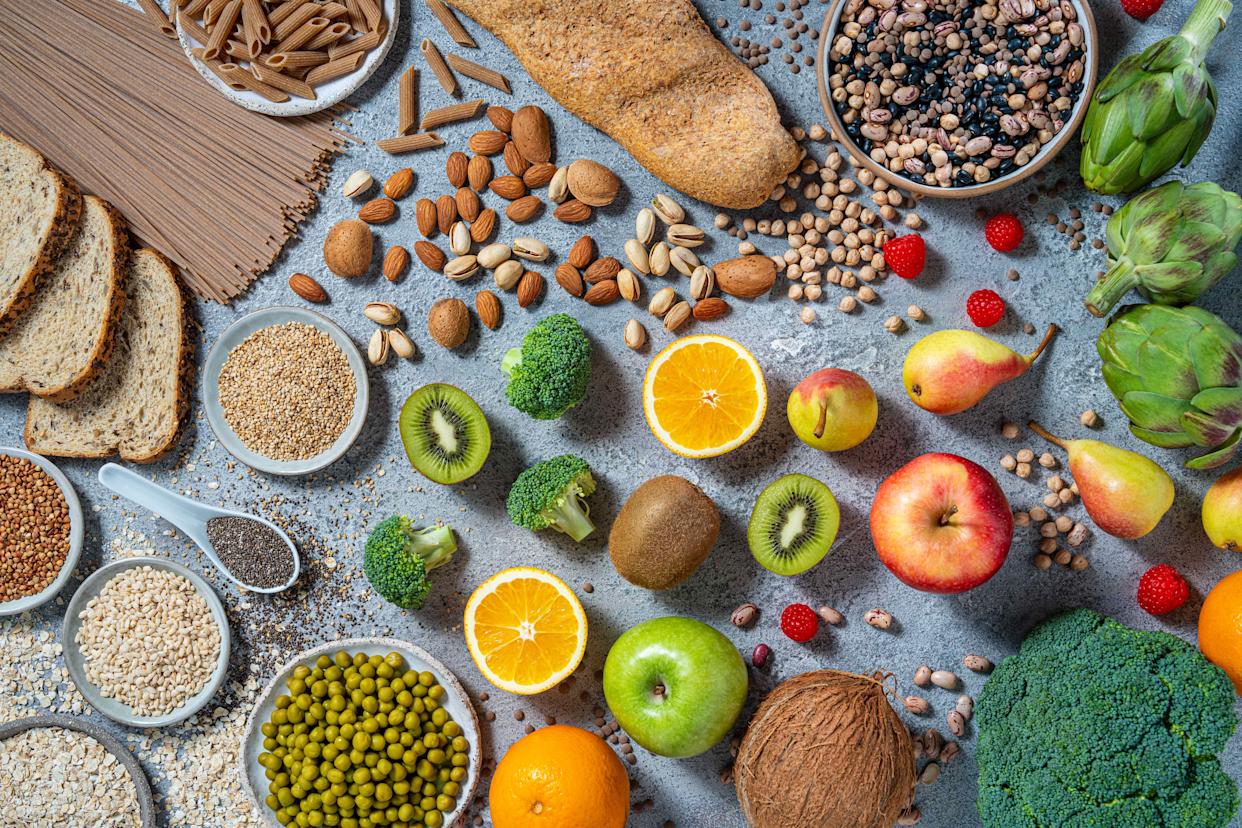
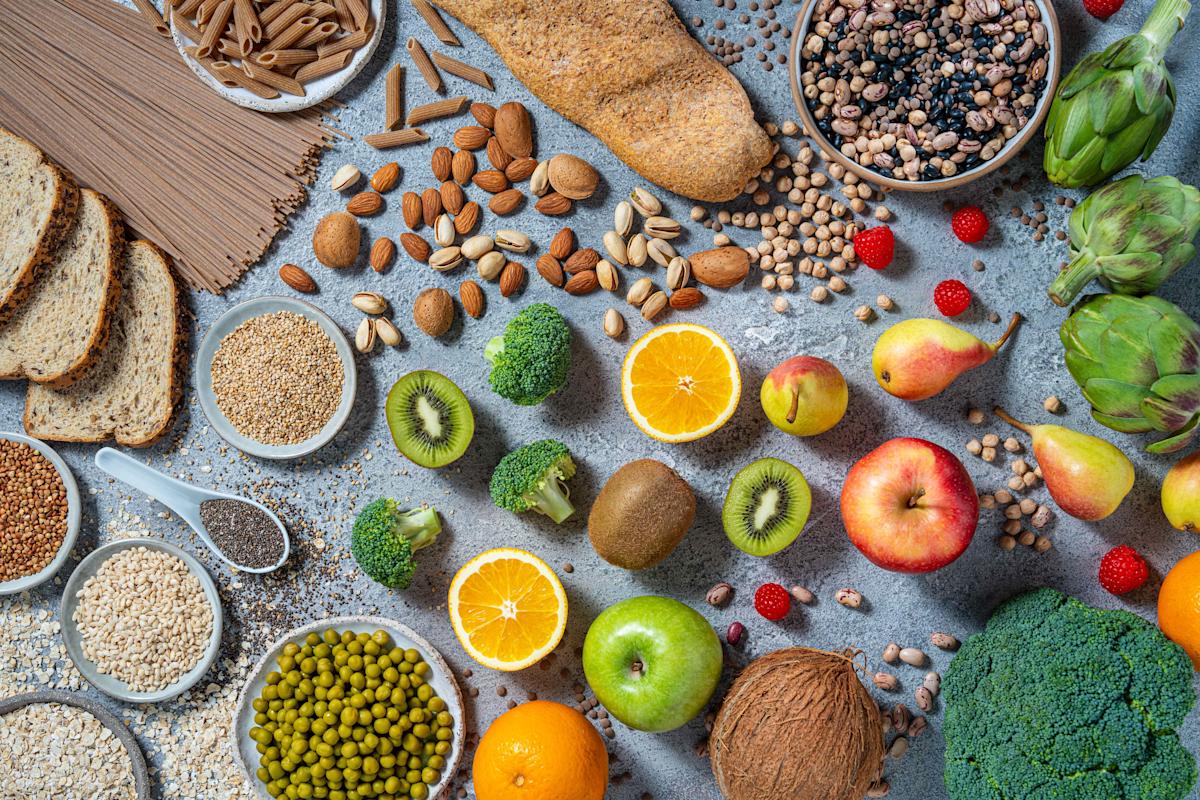
Foods with fiber tend to contain a mix of soluble and insoluble fiber.
Credit: MEDITERRANEAN / Getty Images
There are two types of fiber—soluble and insoluble, and they each offer unique benefits.
Soluble fiber dissolves in water and forms a gel, while insoluble fiber helps waste move through the intestines.
Most foods contain both types, so eating a variety of high-fiber foods may help you reach your goals.
Social media is all about fibermaxxing, the idea that it’s important to load up on fiber. And it’s one trend experts can get behind. That’s because fiber plays a key role in digestion, blood sugar control, and protecting against chronic diseases like type 2 diabetes and colon cancer—yet most adults in the U.S. don’t get nearly enough.
But for those trying to boost their intake, it helps to know that fiber isn’t one-size-fits-all. It comes in two forms—soluble and insoluble—and each offers unique benefits. Here’s what to know about both—and how to make sure you’re getting a healthy mix.
What’s the Difference Between Soluble and Insoluble Fiber?
The main difference between insoluble and soluble fiber is how they interact with water, digestive health dietitian Alyssa Simpson RDN, CSDH, CGN, told Health.
Soluble fiber is like a sponge. It dissolves in water to form a gel-like substance that can bind to substances such as cholesterol and carbohydrates, helping remove them from the body. This gel also softens stool and slows digestion.
Insoluble fiber, on the other hand, is more like a broom. It doesn’t dissolve in water but instead passes through the digestive tract mostly intact, adding bulk to stool and helping move waste through the digestive tract more efficiently, Simpson said.
Both types have a lot to offer, including supporting weight management by promoting fullness. But soluble fiber’s sponge-like abilities can help lower cholesterol and slow glucose absorption, said Sandhya Shukla, MD, a gastroenterologist with Atlantic Coast Gastroenterology Associates. And when fermented in the colon, soluble fiber produces short-chain fatty acids that support gut health and help control inflammation. Insoluble fiber, meanwhile, can reduce constipation and help flush out carcinogens more quickly, potentially lowering colon cancer risk, Shukla said.
How to Make Sure You’re Getting Both Types
The daily recommended intake of total fiber is 28 grams, but there are no official guidelines for how to divide that between fiber types. To make sure you’re getting a healthy blend of both, try these strategies:
1. Eat a Variety of High-Fiber Foods
Some foods are richer in one type of fiber than the other—about 95% of the fiber in wheat bran, for example, is insoluble. But most fiber-containing foods have a mix, said gut health nutritionist Amanda Sauceda, MS, RDN. By simply incorporating a variety of high-fiber foods, you’ll likely meet your needs for both types. As Simpson put it, “By rotating a variety of fruits, vegetables, legumes, whole grains, nuts, and seeds throughout the week, you’re able to get the mix of soluble and insoluble fiber you need.”
2. Eat Fruits and Vegetables With Skin
Apples, potatoes, and cucumbers are best eaten unpeeled, Simpson said. The skins provide insoluble fiber, while the fruit within is an excellent source of soluble fiber. Leaving the skins on gives you a convenient boost of both types.
3. Start With a Fiber-Forward Breakfast
Breakfast just so happens to offer plenty of opportunities to get both types of fiber. Wheat bran on cereal, unpeeled apples on pancakes, or raspberries in yogurt are good sources of insoluble fiber. For soluble fiber, try orange segments in a smoothie, beans in a breakfast burrito, or a bowl of oatmeal.
4. Focus on Fiber “Boosters”
Adding high-fiber “boosters” to soups, salads, and grain bowls can help balance your intake, Simpson saidThere Are 2 Types of Fiber—Here Are 4 Easy Ways to Get More of Both. For more soluble fiber, toss chickpeas or kidney beans into chili, or top a grain bowl with roasted broccoli. Garnishing your lunchtime sandwich with dark leafy greens will add a good amount of insoluble fiber.
Increasing Fiber Safely
Ramping up fiber intake offers all sorts of benefits, but it’s important to keep a few guardrails in mind for safety and comfort. A big one is to increase fiber consumption gradually over several weeks, Shukla said. This gives your gastrointestinal tract time to adapt, reducing side effects like gas and bloating.
You’ll also want to stay hydrated. Adequate water helps keep stools soft and easier to pass, Shukla said.
Note, too, that certain GI conditions may require tailored guidance. For example, the American College of Gastroenterology recommends soluble fiber—but not insoluble—for people with irritable bowel syndrome. If you have a digestive health condition, check with your doctor before dramatically increasing fiber intake.
Read the original article on Health
Dining and Cooking