
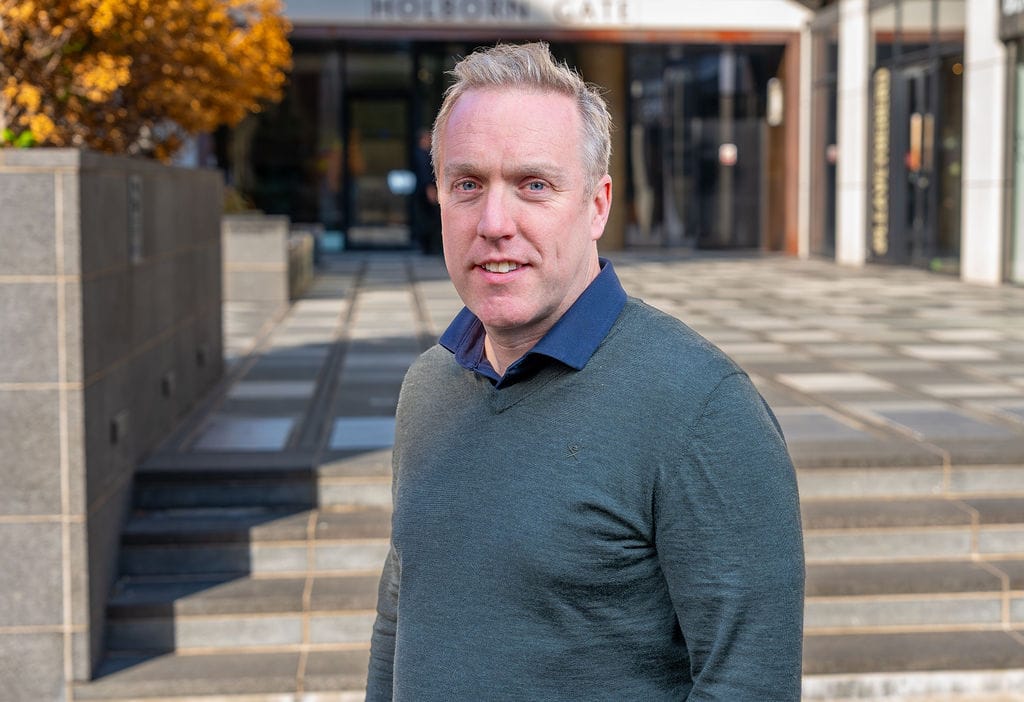
Food sourcing agency Atlante has released a documentary – The Year of Abundance – to promote the bumper harvest in Italy in 2025, the hero product categories and to raise brand awareness for its sector expertise. Retail Times spoke to Philip Durham, Atlante’s UK business unit director to find out more
 Why was the Italian harvest so strong in 2025?
Nature is fickle but there were a number of variables coming together, which drove the strong harvest last year. It also felt more noticeable due to the challenges of the previous years. From the start of covid, there’s been demand and supply shocks on the ledger. It was the first time that on the supply side everyone was able to take a breath. But if you talk to any farmer or producer, it’s always too hot or too cold, too wet or too dry – there’s always something and each year, within reason, you get an element of that. But this year some things came together which allowed nature to bloom.
What was the inspiration for the documentary?
Atlante is an Italian company, which is privately owned and has a genuine love of food. While Britains talk about the weather, food is Italians go-to conversation and, wherever we can, we bring that passion to the fore. We connect retailers with producers. Atlante has been established for 31 years and for 12 years in the UK, initially as an exclusive strategic partner with Sainsbury’s. Now, we are no longer exclusive and, from a business perspective, we want to increase our brand awareness and let people know what we can do.
The aim of the documentary was to talk about the abundant harvest and the environment, focusing on several key Italian crops, particularly wine, olive oil and durum wheat.
To what extent was the harvest strong across the board? Which were the standout product categories?
The documentary focuses on wine, olive oil and pasta and showcases how the crops performed. Montalbano, an olive oil producer featured in the documentary, increased its throughput from 45 kilos in 2024 to 155 kilos in 2025. Part of that was a result of a depressed harvest in 2024, due to drought and extreme heat, so it was nature recovering and the year-on-year increase was massive.
Wine posted an 8% increase across the board, although there were differences in output in the mini regions, which the documentary highlights.
Durum wheat also performed well. Italy imports 50% of its durum wheat, largely from Canada and North America. There was a drop in the Canadian harvest in 2022 and 2023, which saw prices increasing from €400 to €800 per tonne and a bag of Penne pasta increased from 55p to 90p per pack. The market recovered in 2024-2025 with the price back down to €420 euros per tonne.
Please can you describe Atlante’s role?
We are a sourcing agent. We try and connect customers in one place with great producers in another.
There are two parts to the business: an import category where we bring in Czech beer and crisps from Malaysia, for example, and have full coverage of the Italian market plus a exporting arm – we export pasta, pesto, Italian cheeses, filled pasta etc out of Italy and support customers who may not have resource to go out and look beyond the traditional supply chain. We also have the right quality teams in place to ensure products are produced to the right standard.
How many producers are you working with and who is your key customer base?
For the UK market, we have 30 active producers, across fresh, frozen and ambient products. Around the world we are working with 160 producers. Atlante has a turnover of €300m with 55% of the business centred in Italy, importing products and selling in. One third of the business is exporting to the UK. Switzerland is the next biggest market and we also have pockets of work around the world in South Africa, Japan and Korea.
Our customers are primarily retailers, wholesalers and food service Retail is our heartland but we are growing the foodservice and wholesale channels.
To what extent is the Italian production that Atlante represents/markets destined for own label? Does the business represent any key Italian food brands? Which ones?
Eighty per cent of our revenue in the UK is private label, working with Sainsbury’s, Aldi, Spar, Bestway and Cafe Nero.
However, we also represent brands including an American preserve brand, an iced coffee brand and an Italian wine maker, which produces an Aperol and lemon spritz product in a can.
Can you describe the Italian food economy and Atlante’s role?
The Italian economy is completely different – it’s deindustrialised. Italy is made up of a myriad of medium-sized businesses, which are largely family-owned. It’s a different culture – less corporate and more family-driven with a heavier focus on relationships and expertise versus the UK, for example. There are not that many people who do what we do – we deal with multiple suppliers and are able to handle the large volumes UK retailers require – we are able to split that volume with a number of medium-sized producers.
In a market characterised by supply chain disruption and product shortages, how important is it to be self sufficient in terms of agriculture? To what extent is Italy self sufficient?
Italy does have a food trade surplus in that it exports more than it imports but its core capacity is in the industrialised transformation of products and is heavily reliant on raw input commodities eg wheat and grain.
The ability of the supply chain to connect global foods is exposed at times of great challenge, such as the war in Iran.
At present, it’s not had a huge impact in terms of a food challenge. There’s no shot term chaos. In the medium term, it will impact fuel prices with airline, shipping and road fuel the first to bite and then energy costs will start to fly. In the medium to long term there will be fertiliser impacts for this year’s crop.
What’s the forecast for the 2026 harvest in Italy?
The outlook is good but not as good as last year’s crop. There’s no fear in the market yet for supply shocks but turning those crops into products could be impacted due to increased energy costs.
What advice would Atlante and Italian food producers offer to other (UK) food producers looking to replicate the market’s success in 2025?
It’s steady as it goes for now. We are big enough and experienced enough not to be swayed too quickly. Supply is not under threat at the moment but we will watch carefully and be ready to react. We are further along the supply chain than others so will adopt a more risk management focused approach to things.
Dining and Cooking