
Home » EUROPE » Unlock Pompeii’s Hidden Wine Culture—New Vineyards in Ancient Ruins Redefine Italian Tourism for 2026!
Published on
March 22, 2026
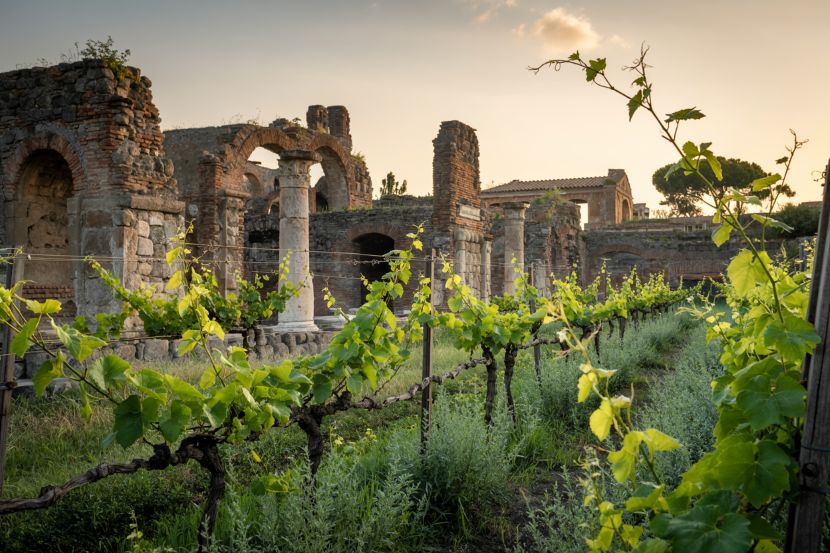
Image generated with Ai
A unique initiative has brought new life to the ancient city of Pompeii, blending the past and the present to create an immersive tourism experience. By reviving the ancient Roman tradition of winemaking, the city has transformed part of its archaeological park into a vibrant vineyard. This project is not only about preserving history but also enhancing Pompeii’s tourism appeal by offering visitors a chance to experience Roman viticulture in action. The ongoing project is expected to bring an exciting new dimension to the site, attracting global visitors with its rich blend of history, agriculture, and culture.
Pompeii, long known for its archaeological significance, now offers a new way for tourists to connect with the ancient Roman lifestyle. Once buried under volcanic ash from the eruption of Mount Vesuvius in AD 79, Pompeii has preserved remnants of Roman homes, markets, and social spaces. Yet, it’s the revival of its winemaking heritage that brings something fresh to the experience. The project involves planting grapevines across the park, including Aglianico and Greco grapes, varieties historically grown in the region. These grapevines are nurtured using sustainable practices, aligning modern techniques with ancient traditions, offering a truly unique way to experience Pompeii.
The idea behind the project is to bring the ancient agricultural landscape of Pompeii back to life. Pompeii’s wine culture was integral to the city’s daily life and economy before the eruption. Wine was central not only to Roman social rituals but also to the trade routes that connected Pompeii to other parts of the Roman Empire. Through this project, visitors can now witness the same varieties of grapes that would have been cultivated in the region two thousand years ago. By restoring this winemaking tradition, Pompeii reintroduces its rich cultural past in a tangible way.
The planting of the vineyards is not just a tourist attraction but also a part of a broader cultural preservation effort. Italy’s Ministry of Agriculture and various Italian wine producers, including the Feudi di San Gregorio group, are leading the effort. Experts from the University of Milan provide support, ensuring the cultivation methods and grape varieties reflect historical accuracy. As a result, visitors can now experience not only the ruins of the city but also the processes of viticulture that would have been a major part of Roman daily life.
Tourists visiting Pompeii will soon have the opportunity to tour the vineyards, learning about ancient Roman agricultural techniques and the sustainable practices used to revive them. These tours will allow visitors to engage more deeply with the archaeological site, enhancing the educational value of their experience. Moreover, they will have the chance to taste wines made from the very grapes that once thrived in the region. This immersive experience is sure to attract wine enthusiasts, history buffs, and families alike, offering something for every kind of traveler.
The revival of Pompeii’s wine culture also supports local businesses and promotes sustainable tourism. The vineyards are designed to integrate with the archaeological site, ensuring that tourism flows smoothly without compromising the preservation of the ruins. Additionally, this project could create new job opportunities within the region, from vineyard management to wine production and tourism services. Local restaurants and hotels stand to benefit as the project brings more visitors to the area.
Advertisement
Advertisement
Pompeii’s unique blend of ancient history and modern winemaking could serve as a model for other cultural heritage sites around the world. By integrating agritourism with archaeological tourism, Pompeii offers a new way to experience history — one that engages the senses and fosters a deeper connection to the past. Visitors will no longer just walk through the remains of Pompeii; they will be able to taste and feel the Roman past in ways previously unavailable. This innovative approach to tourism could revolutionize how we view cultural sites.
The project also underscores the growing trend of sustainable tourism. As global tourism continues to evolve, more travelers are looking for experiences that are not only immersive but also responsible. By combining heritage conservation with environmentally conscious practices, Pompeii is setting a new standard for how historical sites can promote tourism without sacrificing the integrity of the site itself.
Pompeii’s winemaking revival is set to be a game‑changer for the city’s tourism sector. Visitors will be able to enjoy the full experience of Pompeii’s Roman past, with a modern twist. As the vineyards flourish and the wines produced from them reach the market, Pompeii is poised to become one of Italy’s most compelling cultural destinations. This project is more than just an archaeological restoration; it’s a testament to the enduring power of cultural heritage and its ability to adapt to the needs of modern tourism.
As the project moves forward, Pompeii stands at the crossroads of history and innovation, offering visitors a truly unique way to engage with the past. Whether it’s tasting ancient Roman wines or exploring the preserved streets of the ancient city, this new initiative is sure to leave a lasting impression on every visitor. For those seeking an authentic Roman experience, Pompeii’s vineyards are set to become an unmissable attraction. Pompeii’s revival of winemaking is more than a history lesson; it’s an invitation to experience the Roman world in a way that was never possible before.

Dining and Cooking