
 4 min read
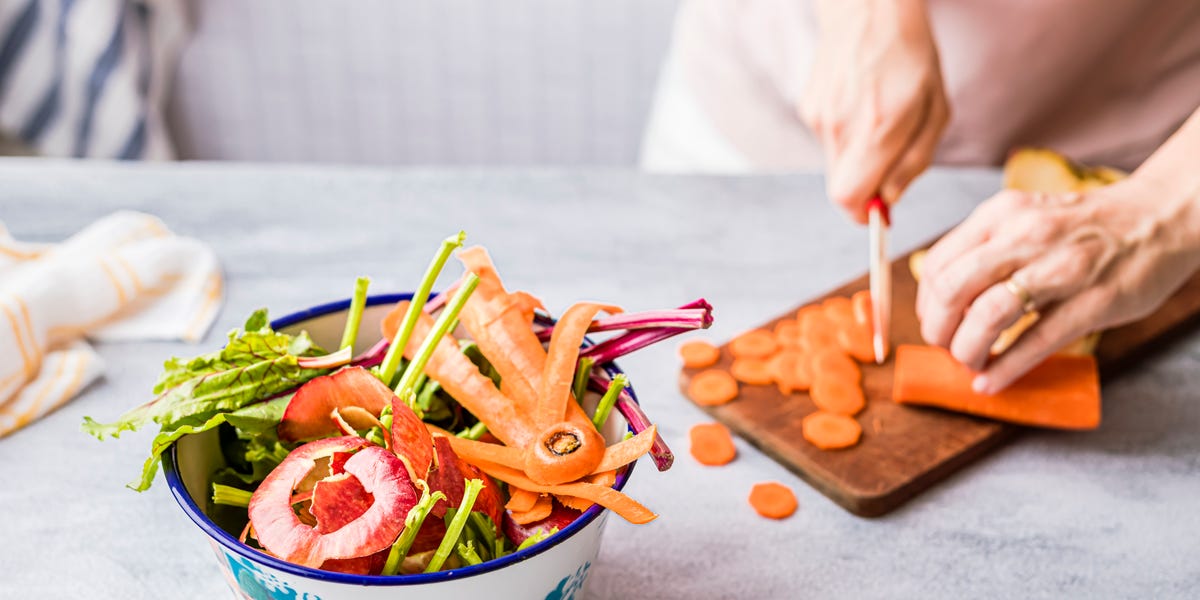
Whether you’re making a large family dinner during a holiday or just happen to have a ton of leftover food scraps and ingredients after preparing a new recipe, there’s no need to throw those rogue citrus peels and extra rice out.
There are many smart ways to reuse leftover food scraps, and it can help you be more sustainable. Many of us think the easiest way to reuse leftover food scraps is to compost them — which is true — but there are actually many other smart ways you can reuse the same ingredients, and some you’ve probably never even thought of before.
We spoke to Good Housekeeping’s Deputy Food Editor, Trish Clasen Marsanico, and Good Housekeeping’s Recipe Editor, Susan Choung, on the best ways to reuse food scraps. Find eight smart ways to reuse leftover food scraps below — just make sure to wash your scraps well (especially peels) before you use them.
Use citrus peels in drinks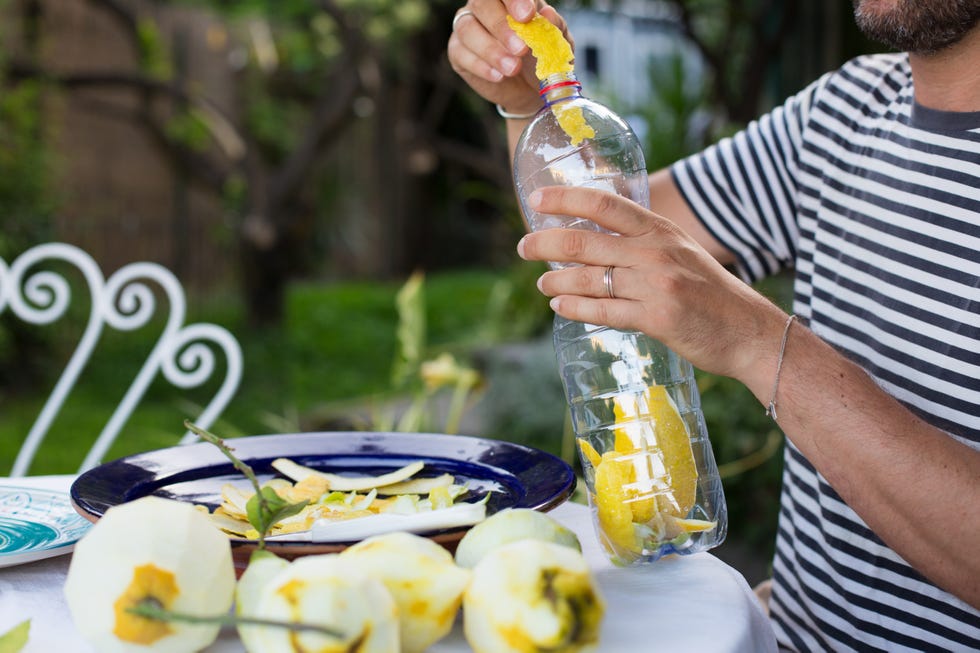
Kathrin Ziegler//Getty Images
According to Choung, citrus peels can be used to infuse simple syrup, which can then be used as an addition to flavored cocktails. If you’re a teetotaler, you can also use citrus peels in iced teas and seltzer for added flavor.
“You can also freeze strips of peel and use them later as cocktail garnishes — they release their oils beautifully when twisted over a drink,” says Choung.
If you’re looking for inspiration, check out this delicious Gran Classico Spritz recipe, which uses orange peels.
RELATED: How to Wash, Use and Compost Your Produce the Right Way
Don’t throw away herb stems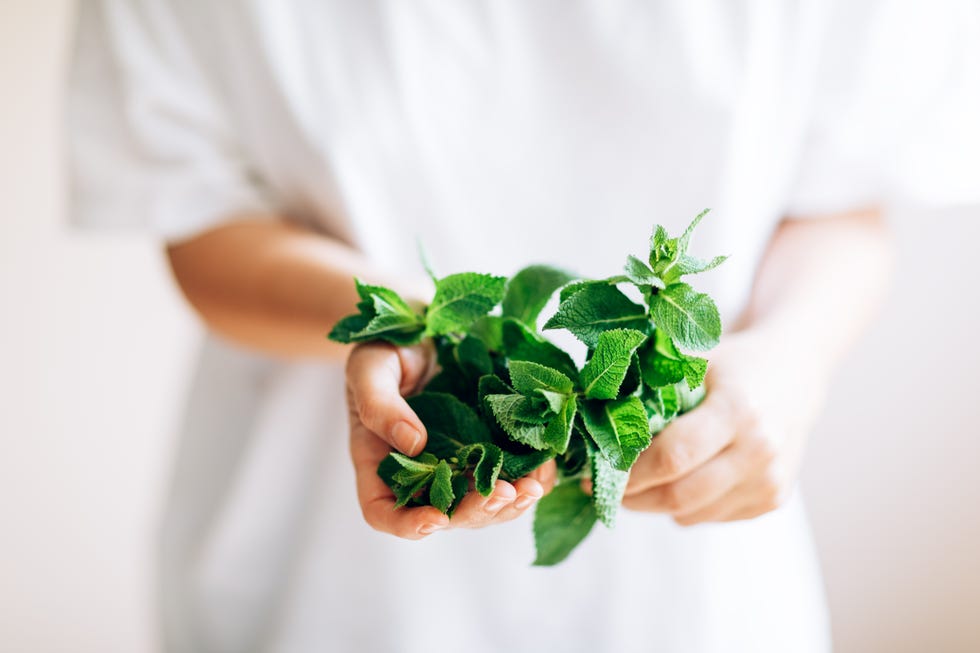
Liliya Krueger//Getty Images
“Most people only use the leaves from basil, but you can save the stems to flavor tomato sauce,” says Choung.
Once you start cooking your sauce, add the basil stems the same way you would use a bay leaf.
“Let them simmer for 20 to 30 minutes to release their flavor, then remove them before serving,” says Choung.
This goes for other herb stems, too. You can use cilantro stems or parsley stems as well to add flavor to your sauce. Cilantro in particular is extremely flavorful, and Choung recommends blending the stems and adding them to your curry paste while cooking.
Save food scraps for stock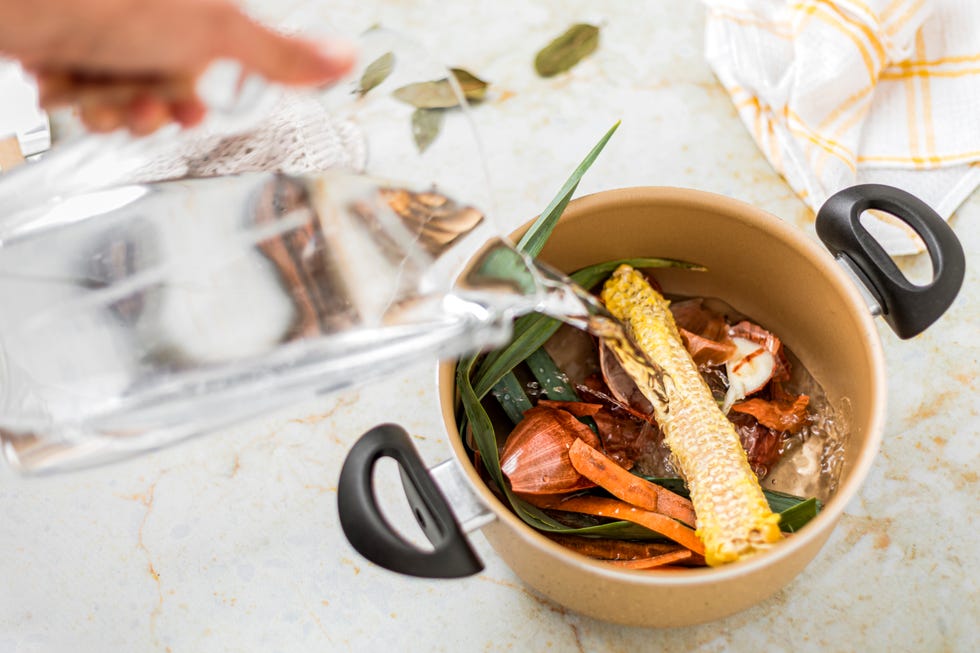
Flavia Morlachetti//Getty Images
Peels and other vegetable parts you’d normally discard can be reused for stock.
“I’ll keep a resealable plastic bag in my freezer that I’ll contribute onion roots, carrot peels, Parmesan rinds and other miscellaneous veggie parts into,” says Marsanico.
Then, once the bag is full, she recommends using the scraps in a stock. This doesn’t just add layers of flavor to your typical vegetable stock, but it also keeps you from throwing out expensive produce, which can be reused easily.
Make pesto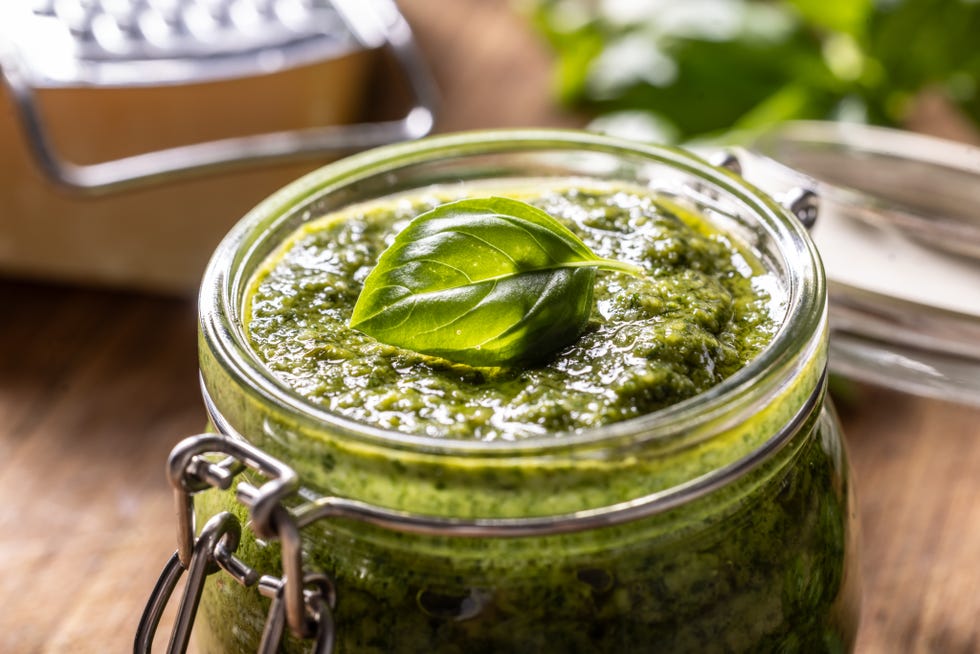
SimpleImages//Getty Images
Homemade pesto tastes better than the store-bought stuff, especially the pesto you get in jars — it just has no flavor, in my opinion. Instead, use your food scraps in a one-step pesto recipe that you can then use to smear on top of toast or add to pasta.
“Carrot tops, beet greens, radish leaves, etc. can all be thrown into a blender to make a pesto that can be tossed with pasta, spread onto sandwiches or spooned onto grilled meats,” says Marsanico.
Try making fried rice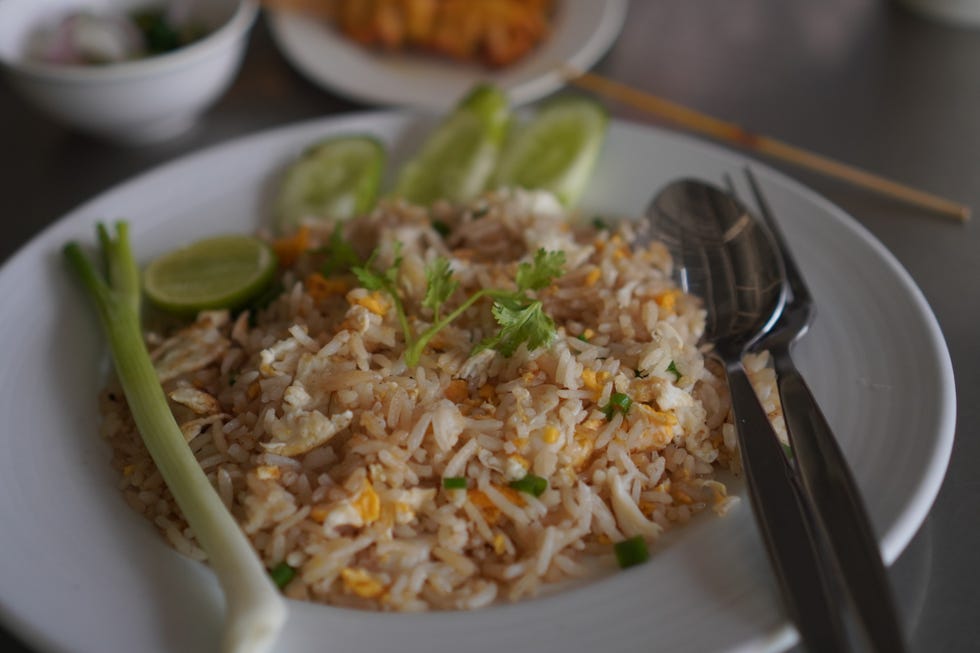
Penpak Ngamsathain//Getty Images
“Day-old rice is actually better in stir-fries, since freshly cooked grains tend to get soggy,” says Marsanico.
Any extra rice and leftover veggies can be used to whip up a quick and easy fried rice. Try a delicious mushroom fried rice, or if you’d rather not use traditional rice grains, you can even make rice out of broccoli stems by finely chopping them in a food processor, according to Marsanico.
Broccoli rice is slightly firmer, but a great low-carb, nutritious option for some.
RELATED: Everyday Kitchen Items That Can Ruin Your Garbage Disposal
Toss together a salad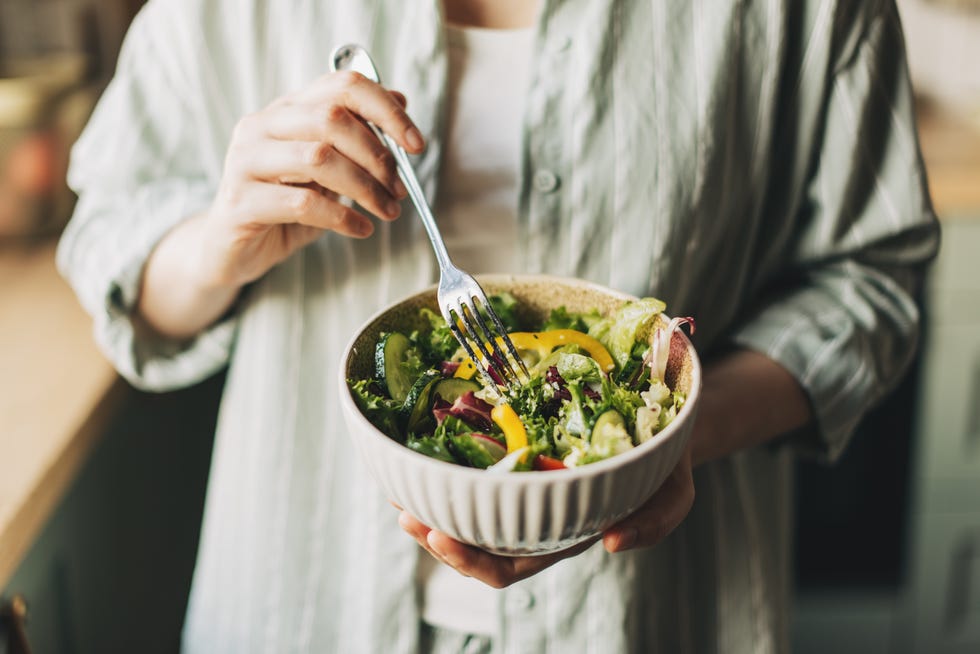
Kseniya Ovchinnikova//Getty Images
“Get creative with your greens!” says Marsanico.
“You can add shaved carrots into a shaved salad (recipe: Shaved Carrot and Radish Salad), or make a panzanella (recipe: Summer Squash Panzanella) — my personal favorite way to give new life to stale bread.”
Anything from leftover peels to old bread, and even leftover herbs, works well on salad.
Use leftovers in soups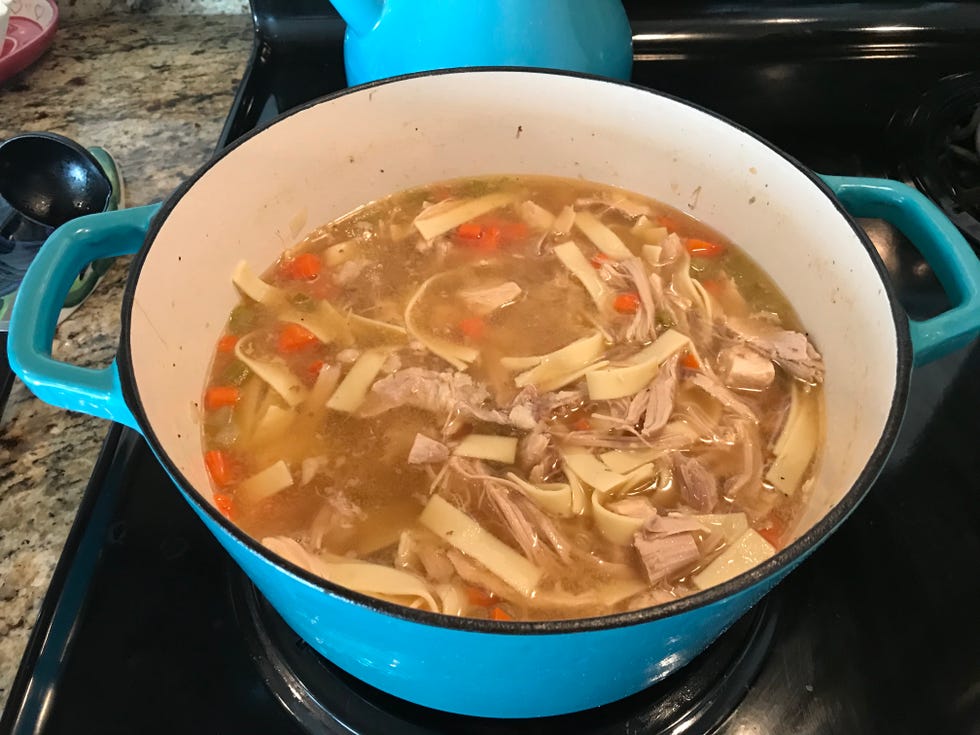
Jeff R Clow//Getty Images
Cucumber peels, carrot stems, and broccoli tops don’t belong in your trash — they belong in your blender so they can be pasted up to add to soup, according to our experts.
Leftover rice, pasta, and beans can also add texture to your soup, and are a great way to use ingredients when you have just a little left but not enough for a full meal.
There’s always compost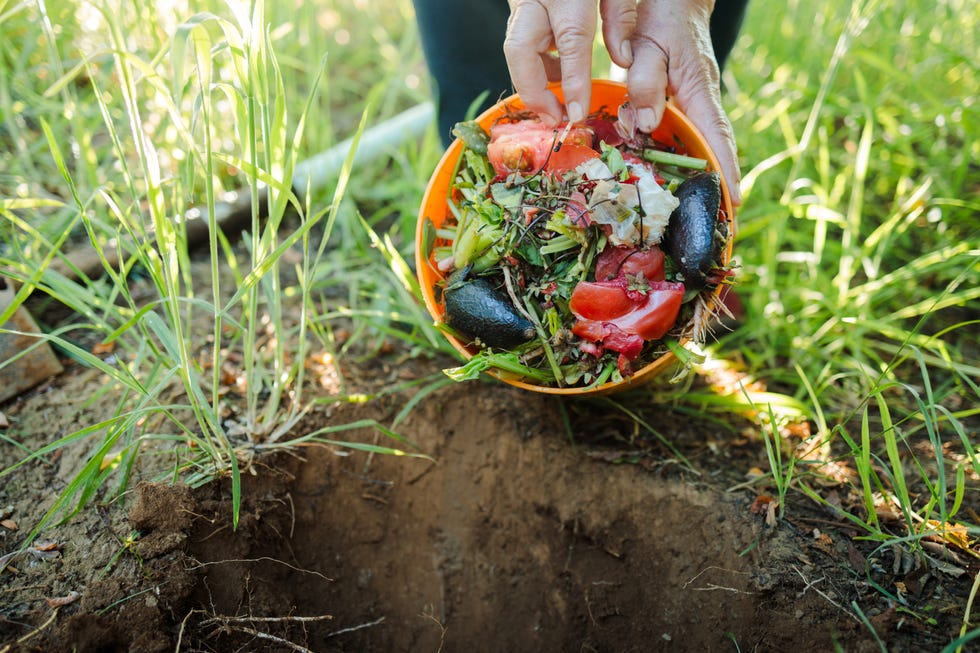
Patricio Nahuelhual//Getty Images
Using leftover scraps as compost is probably the most well-known method.
“Fruit and vegetable scraps break down into nutrient-rich soil for gardens and houseplants,” says Choung. “Even without a backyard, many communities offer compost drop-offs or collection programs.”
This way, you can keep scraps out of landfills and also find a way to repurpose your waste.
Use a countertop bin to hold your scraps, and then use them as compost once full.
Dining and Cooking